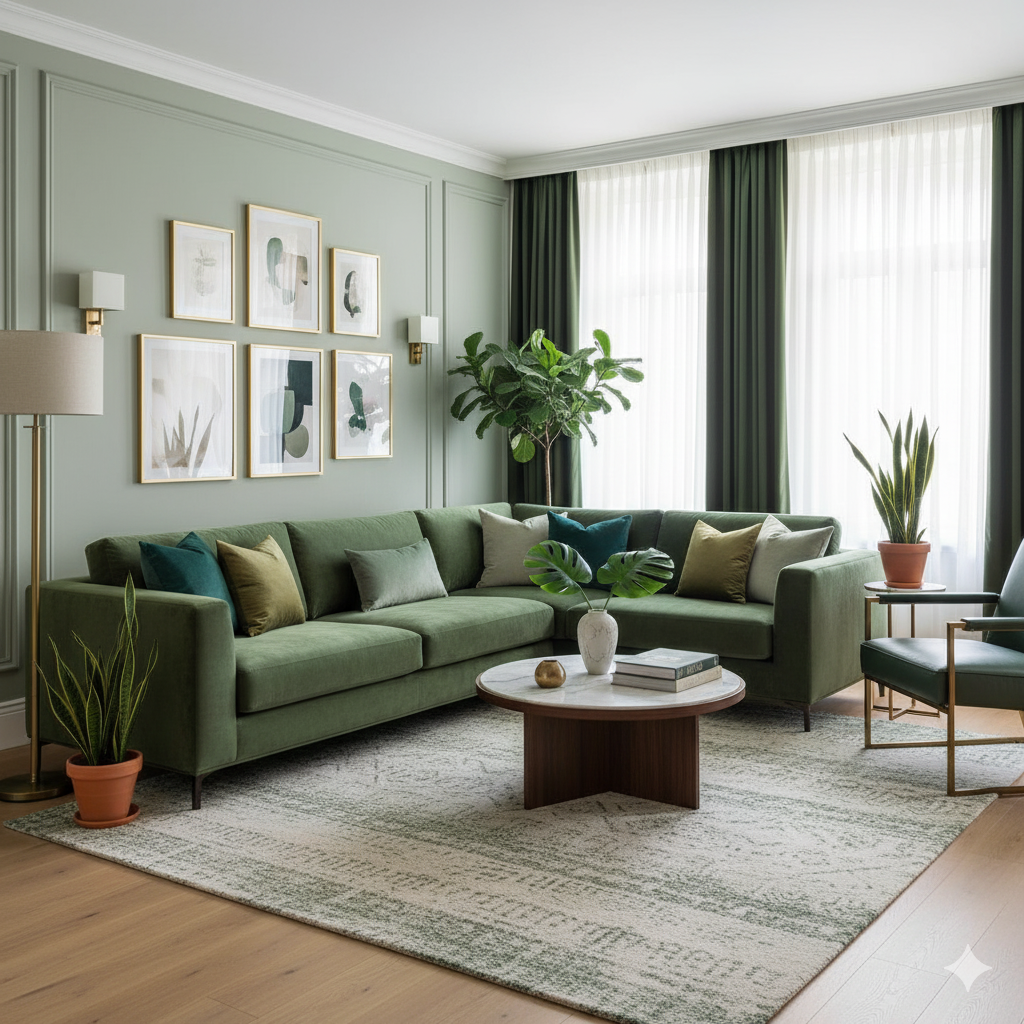
In B2B furniture trade, a sofa that performs well in the factory or domestic market may fail once it enters overseas distribution. Long shipping cycles, warehouse storage, climate differences, and unfamiliar usage patterns expose weaknesses that are not visible during local testing. A sofa for overseas markets must therefore be designed around export realities rather than showroom conditions.
Overseas Distribution as a Product Design Condition
Unlike domestic supply, export sofas often remain packed for weeks, pass through multiple logistics nodes, and are unpacked long after production. During this process, cushions are compressed, frames experience vibration, and materials are exposed to humidity and temperature variation.
A sofa for overseas markets treats transport, storage, and delayed unpacking as permanent design conditions. Products that only meet domestic performance standards frequently show comfort loss, deformation, or structural noise once deployed abroad.
Material Selection for International Usage Environments
Material performance varies significantly across regions. High humidity accelerates foam fatigue, while dry climates can reduce fabric flexibility and cushion recovery.
In a sofa for overseas markets, foam materials are selected based on rebound stability and environmental tolerance rather than softness alone. Cushion systems typically prioritize resilience and recovery behavior after compression, while upholstery materials are chosen for dimensional stability and abrasion resistance under varied climate conditions.
This material strategy ensures consistent seating feel across different regions and seasons.
Structural Design for Transport and Repeated Handling
Overseas sofas are subjected to more handling than domestic products. Loading, unloading, stacking, and cross-docking introduce mechanical stress that accumulates over time.
A sofa for overseas markets integrates reinforced seat platforms, balanced frame geometry, and controlled load paths so that transport stress is absorbed by structure rather than concentrated in cushions or joints. This approach reduces deformation risk and extends usable life after delivery.
Processing Control for Export Consistency
Export performance is closely tied to manufacturing consistency. Small deviations in foam curing, assembly alignment, or compression parameters may not affect individual units but become significant when scaled across bulk shipments.
For a sofa for overseas markets, production processes emphasize repeatability and validation. Foam components are stabilized before assembly, cushion recovery is verified after simulated compression, and structural alignment is checked to ensure uniform performance across batches.
Performance Comparison: Domestic-Oriented vs Export-Oriented Sofa
| Performance Metric | Domestic-Oriented Sofa | Export-Oriented Sofa |
|---|---|---|
| Cushion recovery after shipping | 70–80% | 90–95% |
| Long-term height loss (12 months) | 12–18% | <5% |
| Climate-related material issues | Moderate–High | Low |
| Overseas complaint rate | 8–12% | 1–3% |
| Average service life | 3–4 years | 6–8 years |
The comparison shows that export-oriented design significantly improves stability and reduces after-sales risk in international markets.
Commercial Impact for B2B Buyers
For importers, distributors, and project buyers, overseas sofa performance directly affects cost and brand reputation. High complaint rates increase replacement expenses and disrupt local distribution networks.
By sourcing a sofa for overseas markets, buyers reduce lifecycle cost even if initial unit pricing is slightly higher. Stable performance after shipping and storage lowers return rates and improves long-term supply reliability across regions.
Production Execution in Export Projects
In real export programs, specifications for a sofa for overseas markets are defined at project level. Cushion configuration, structural reinforcement, and packaging methods are adjusted according to destination region, transport duration, and market positioning.
Sample validation typically takes one to two weeks, while bulk production lead times commonly range from 30 to 45 days. Customization may include cushion materials, frame structure, upholstery options, and export packaging to support consistent overseas delivery.
Frequently Asked Buyer Questions
Why do some sofas fail only after reaching overseas markets?
Because long transport cycles, storage pressure, and climate variation expose weaknesses not seen in domestic testing.
Is an export-oriented sofa necessary for all international markets?
Yes. Even similar-looking markets may differ significantly in logistics conditions and usage intensity.
Can export sofas still meet comfort expectations?
Yes. Export-oriented design focuses on long-term comfort stability rather than short-term softness.
Closing Perspective
A sofa for overseas markets succeeds not because it looks good at shipment, but because it performs consistently months after arrival. Export stability is a product attribute, not a logistics adjustment.
HomeZeno develops sofas specifically for international distribution by aligning material selection, structural design, processing control, and export execution from the beginning. This approach allows HomeZeno to support B2B partners with sofas that remain reliable across transport, storage, and real-world use. To explore export-ready sofa solutions, visit
https://www.homezeno.com/products
or contact the HomeZeno team at
https://www.homezeno.com/contact-us
to discuss overseas market requirements, customization, and supply planning.