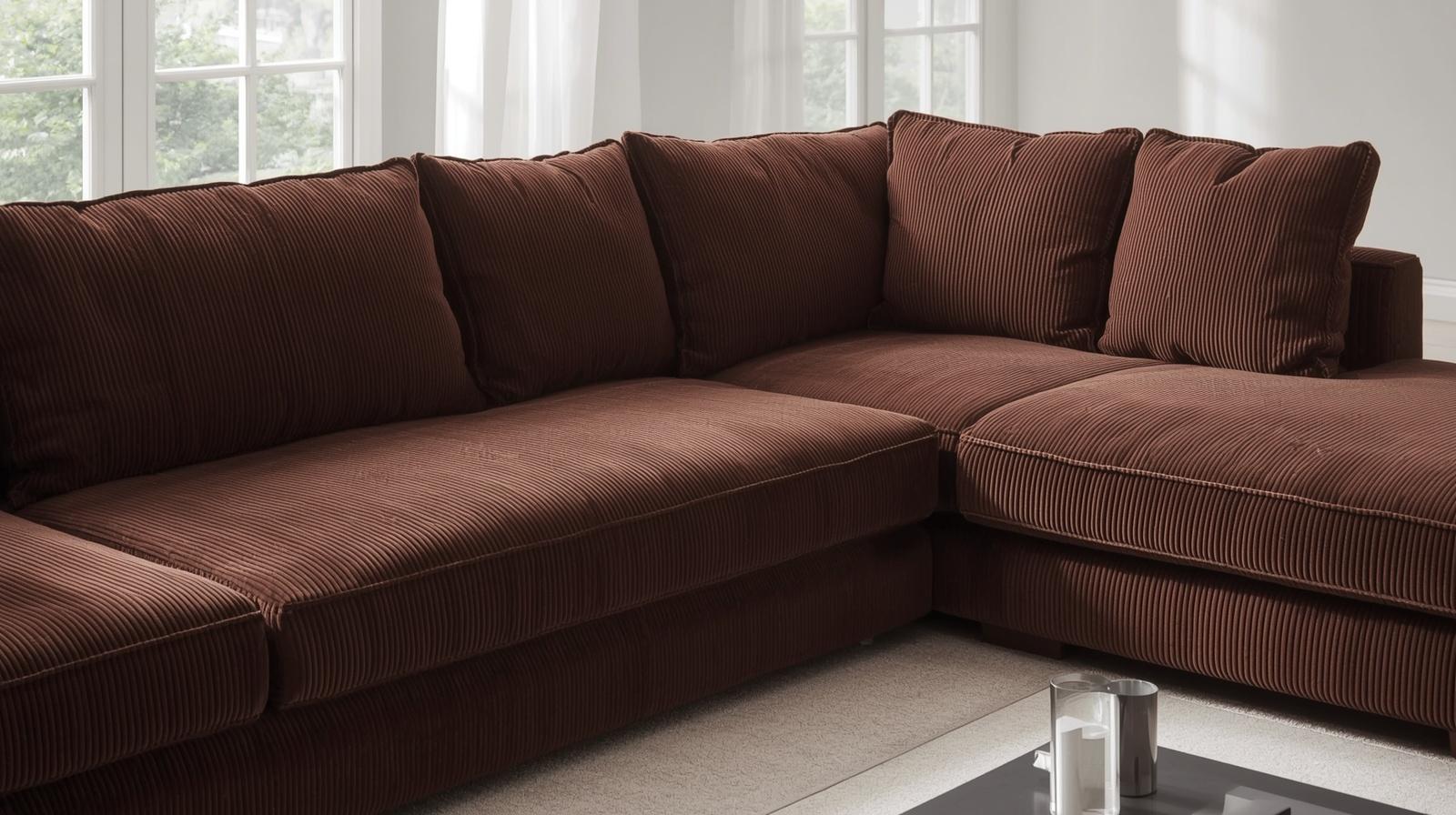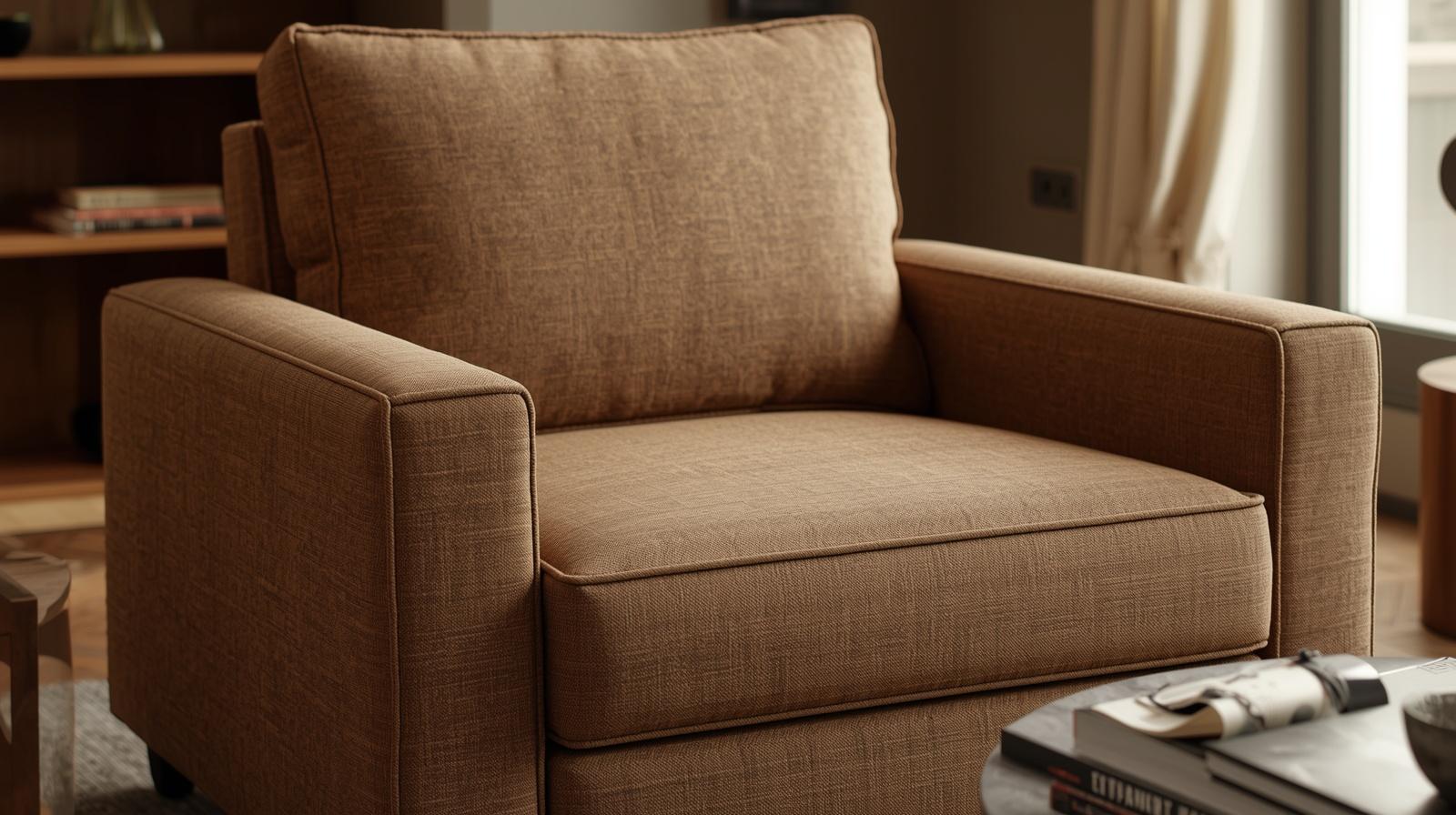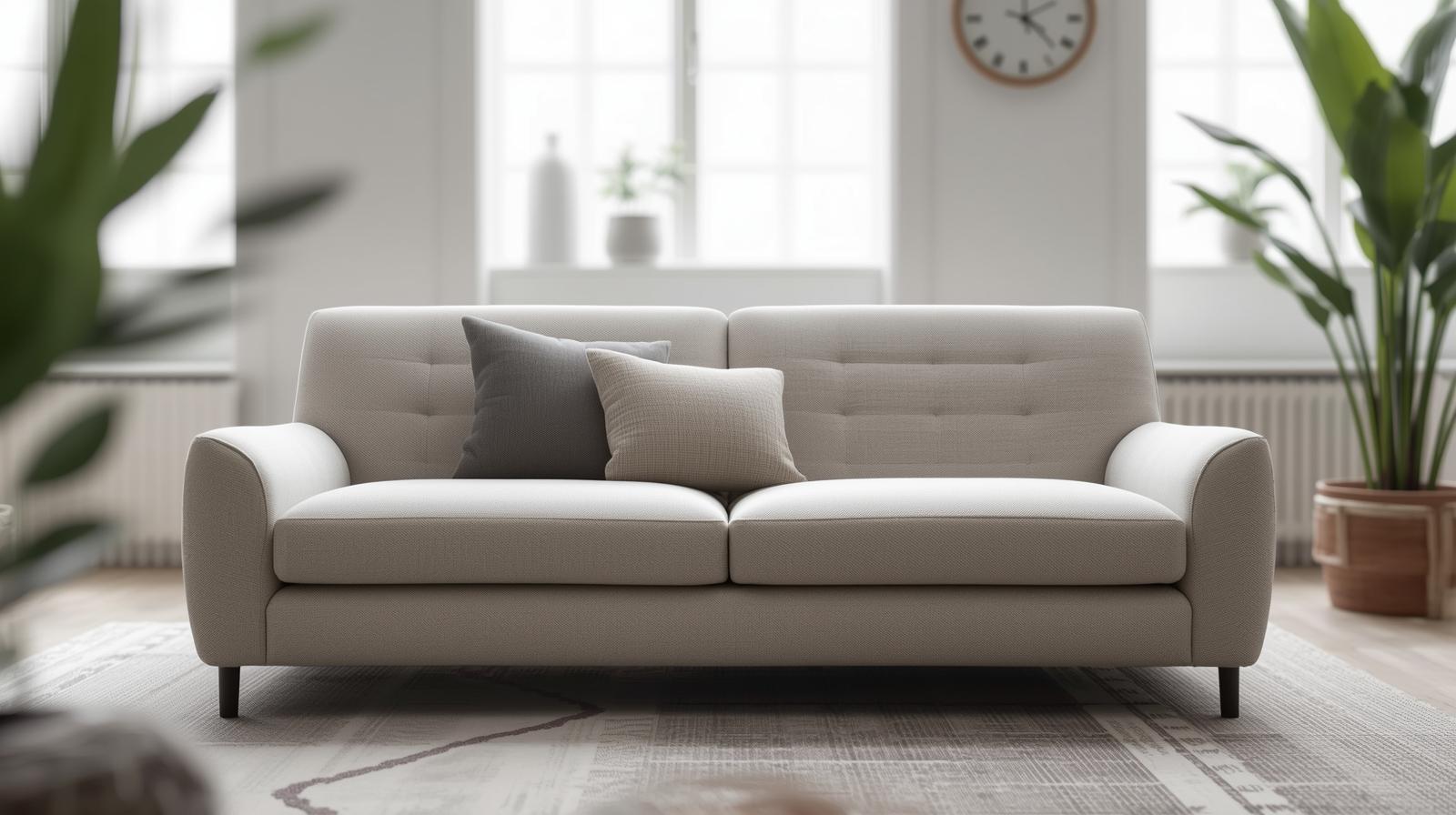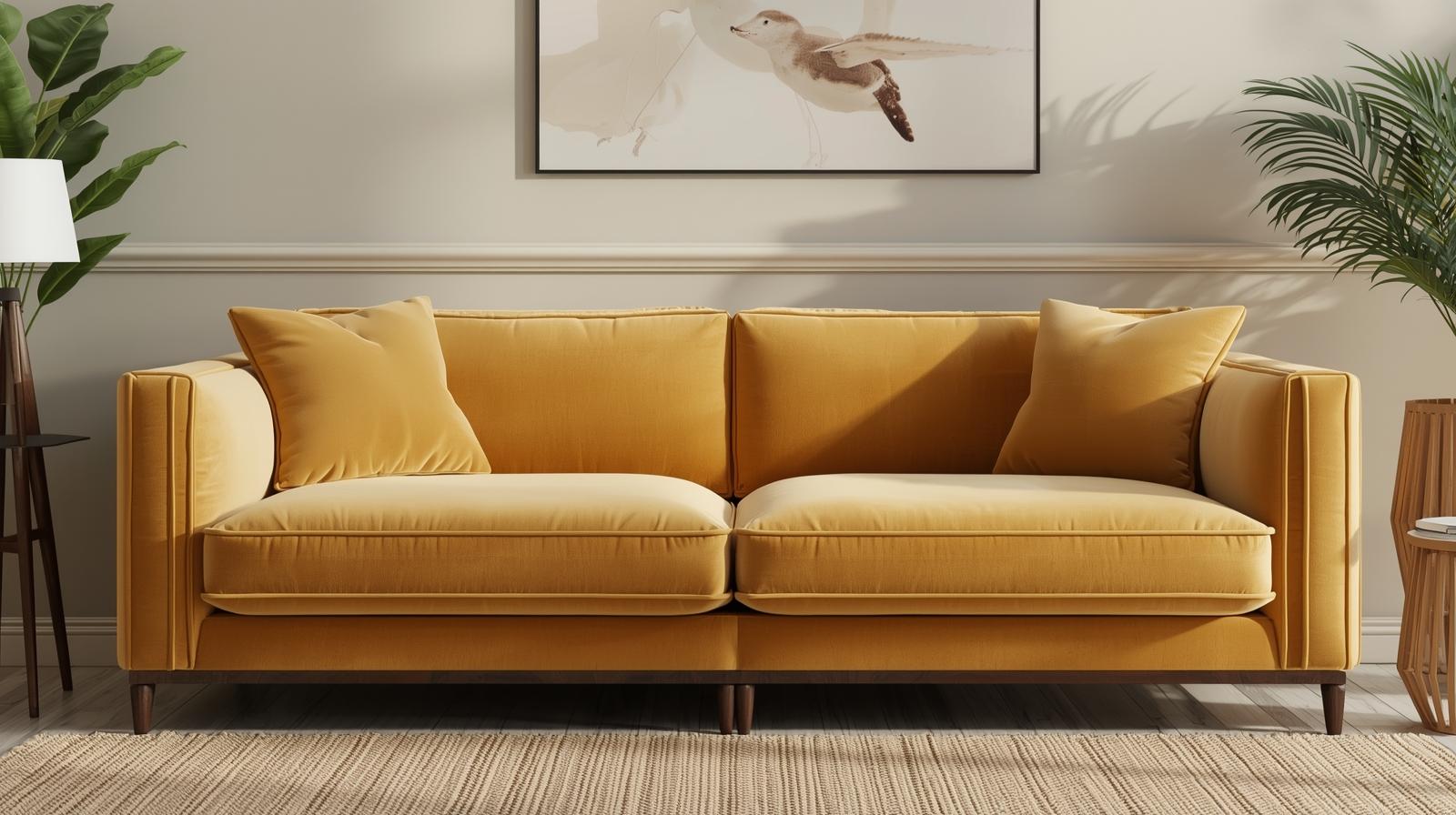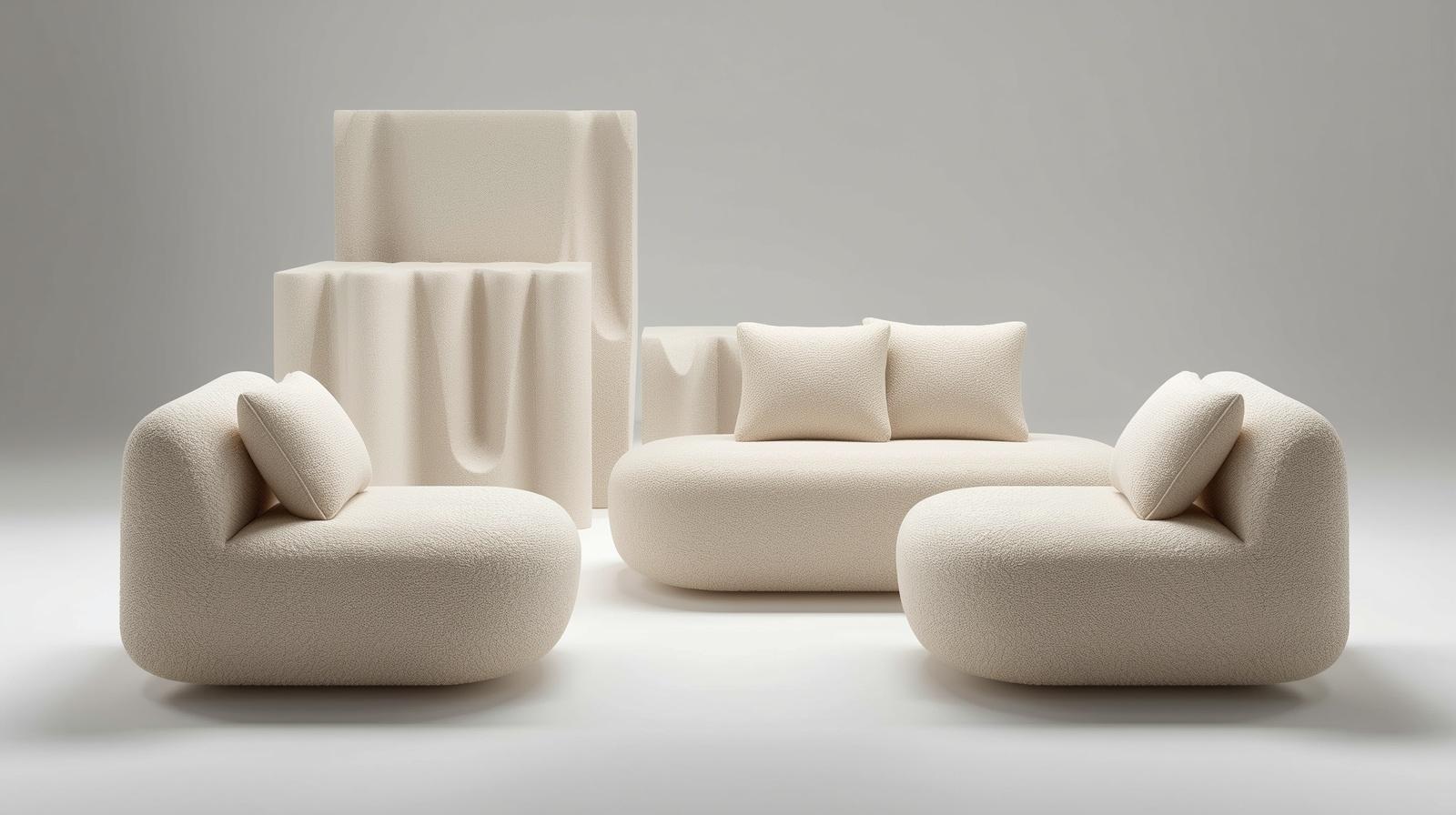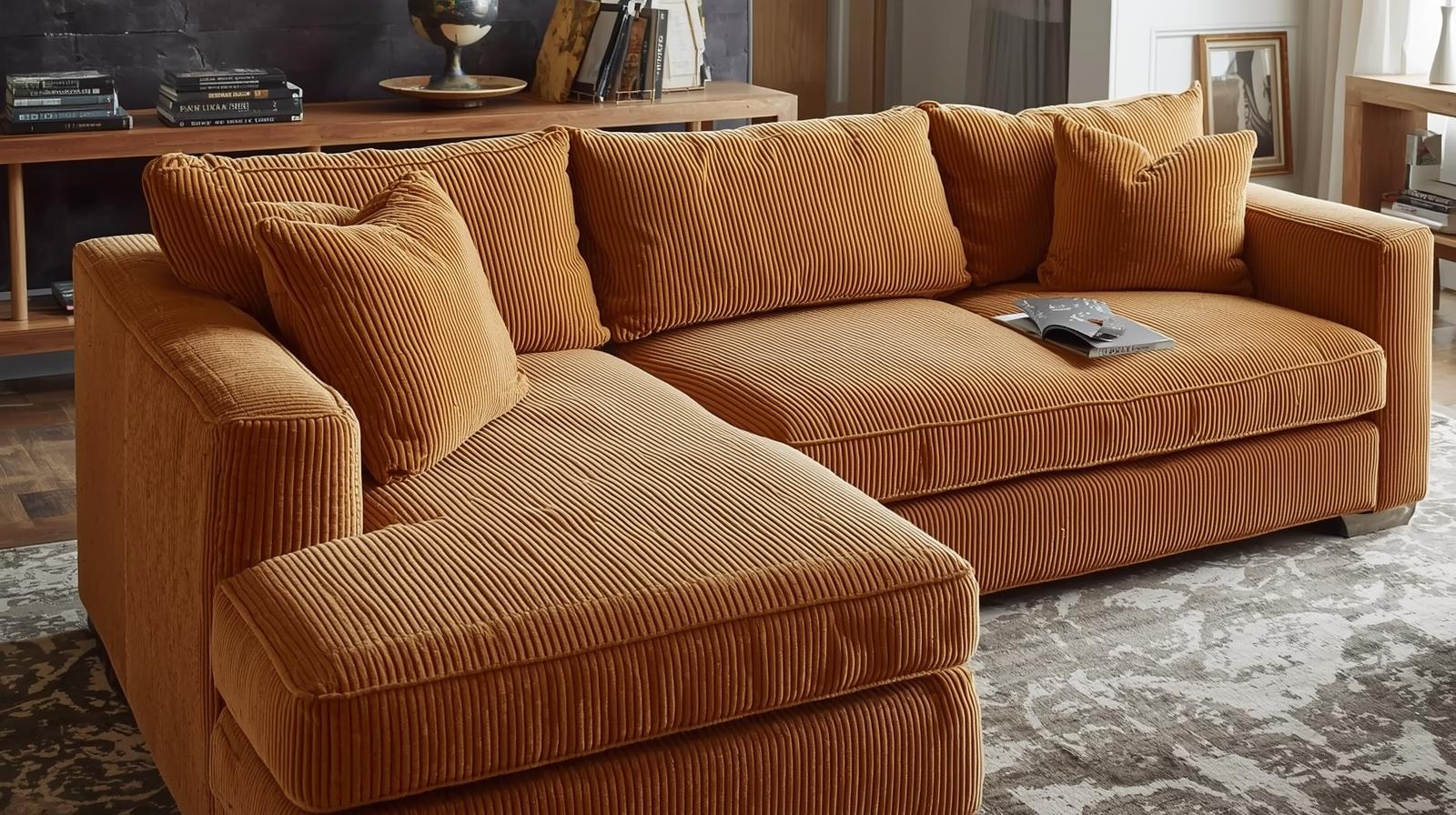
In overseas furniture projects, fabric softness and modular flexibility are often treated as surface-level features. In reality, both directly influence product lifespan, maintenance cost, and user satisfaction. A soft corduroy modular sofa performs well only when fabric behavior, cushion response, and modular structure are engineered as a system rather than independent components.
Fabric Engineering Beyond Surface Softness
Corduroy fabric introduces a ribbed surface that enhances tactile warmth and visual depth. However, without proper engineering, the same texture can amplify wear patterns and seam stress over time.
In export-oriented production, corduroy fabrics are specified based on pile density, yarn stability, and backing strength. These parameters determine how the fabric reacts to repeated seating pressure and friction. When correctly matched, corduroy maintains its soft hand feel while reducing visible wear, allowing the sofa to age evenly across seating areas.
This balance is essential for a soft corduroy modular sofa intended for long-term use rather than short-term showroom appeal.
Modular Structure as a Load-Bearing System
Modular sofas shift load distribution depending on layout changes. Corner modules, armless units, and chaise sections experience different stress patterns once users rearrange the seating configuration.
To address this, a soft corduroy modular sofa uses standardized seat platforms and consistent structural geometry across modules. Each unit is designed to carry full seating load independently, preventing deformation at connection points. This structural approach allows flexibility in layout without compromising stability or comfort.
Cushion Design That Supports Fabric Performance
Soft fabrics magnify cushion behavior. If foam recovery is unstable, surface softness quickly translates into permanent compression.
For this reason, cushion systems are engineered with controlled resilience rather than maximum softness. High-resilience foam layers are calibrated to recover shape after repeated use while supporting the fabric above. This ensures that comfort remains consistent even as the sofa adapts to different seating arrangements.
In a soft corduroy modular sofa, cushion performance is as critical as fabric selection in maintaining long-term seating quality.
Adaptation Across Different Usage Environments
Usage environments vary significantly across overseas markets. Residential living rooms prioritize comfort and warmth, while rental apartments require durability under frequent turnover. Shared lounges and hospitality settings demand higher abrasion resistance and structural stability.
A soft corduroy modular sofa adapts to these environments through adjustable specifications rather than design changes. Fabric density, cushion firmness, and connection reinforcement are tuned based on usage intensity. This allows the same modular system to serve multiple markets without sacrificing performance or increasing complexity.
Performance Comparison: Engineered vs Standard Modular Sofas
| Performance Aspect | Standard Modular Sofa | Engineered Corduroy Modular Sofa |
|---|---|---|
| Cushion recovery after use | 75–80% | 92–95% |
| Visible fabric wear after 12 months | Moderate | Low |
| Module joint stability | Medium | High |
| Comfort consistency across layouts | Variable | Stable |
| Maintenance frequency | Higher | Lower by ~30% |
The data highlights how integrated fabric, cushion, and structure design improves overall product stability.
Commercial Impact for B2B Buyers
From a business perspective, modular sofas reduce logistics and inventory pressure, while fabric choice influences market positioning. Products that combine softness with structural reliability lower return rates and extend service life.
By sourcing a soft corduroy modular sofa developed for export use, distributors and project buyers benefit from reduced after-sales issues and more predictable performance across regions. The result is improved customer satisfaction and lower total ownership cost.
Frequently Asked Buyer Questions
Does corduroy fabric require higher maintenance?
Not when pile density and backing are designed for seating applications rather than decorative use.
Are modular sofas less durable than fixed-frame sofas?
Durability depends on structural design. Properly engineered modules perform as well as fixed frames.
Can one modular system suit multiple markets?
Yes. Adjusting material specifications allows one system to meet different usage demands.
Closing Perspective
A soft corduroy modular sofa succeeds when comfort, structure, and adaptability are engineered together. Fabric softness alone does not define quality; long-term stability and environmental suitability do.
HomeZeno develops modular sofa systems by aligning fabric engineering, cushion performance, and structural consistency from the beginning. This approach enables HomeZeno to support overseas partners with modular seating solutions that adapt to different living environments while maintaining reliable comfort and durability. To explore modular sofa solutions, visit
https://www.homezeno.com/en/products
or contact the HomeZeno team at
https://www.homezeno.com/contact-us
to discuss specifications, customization, and export planning.