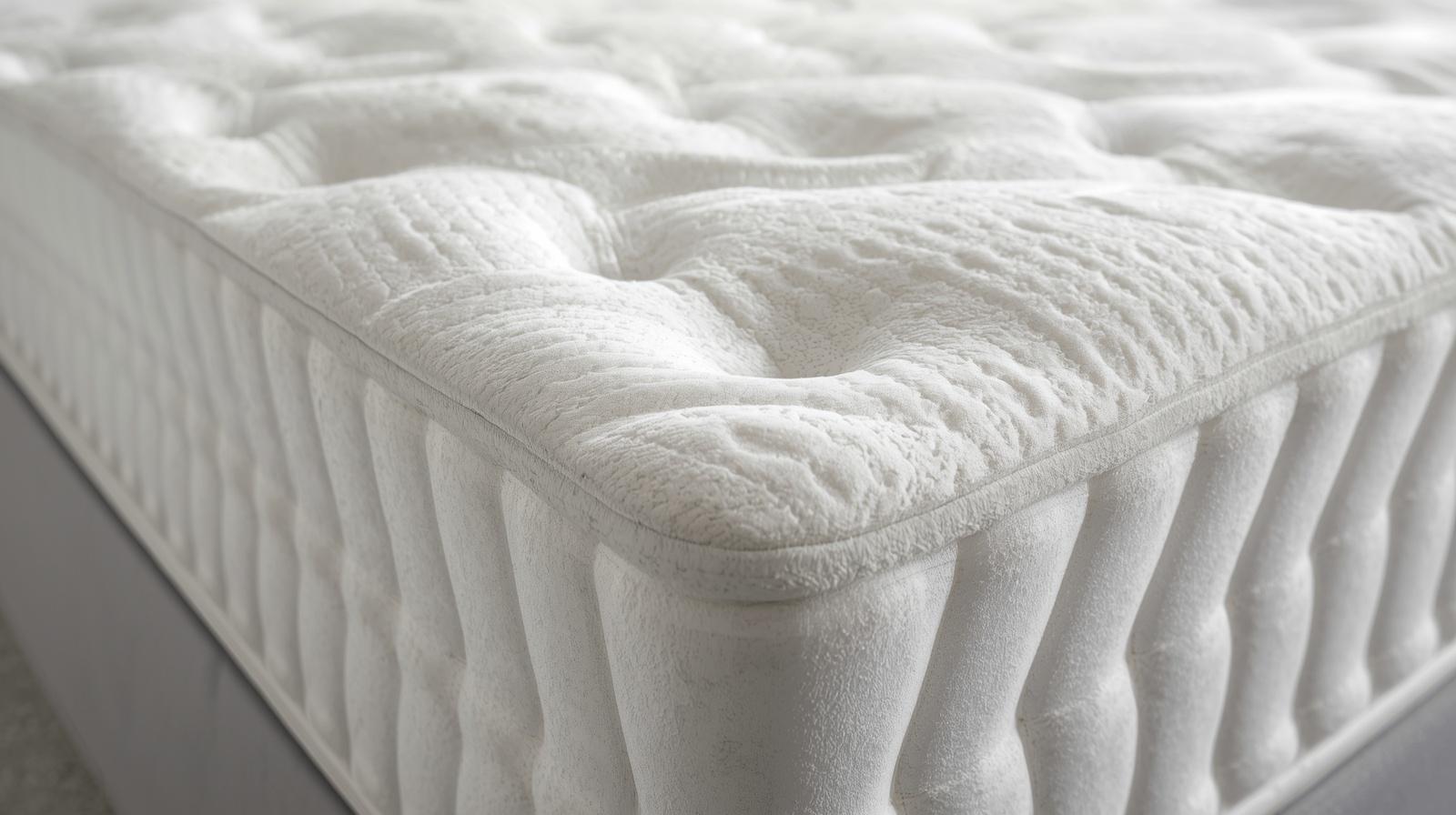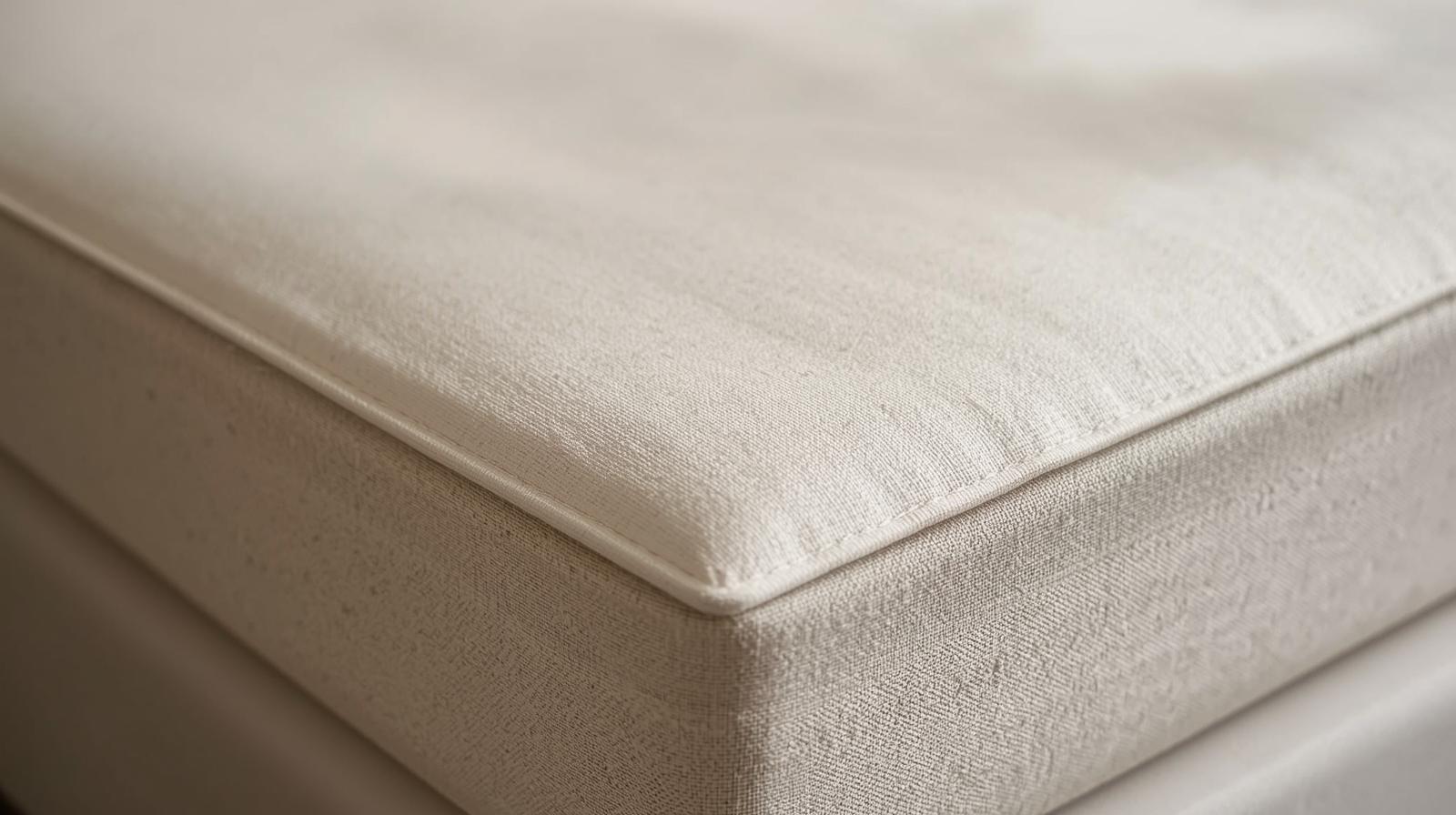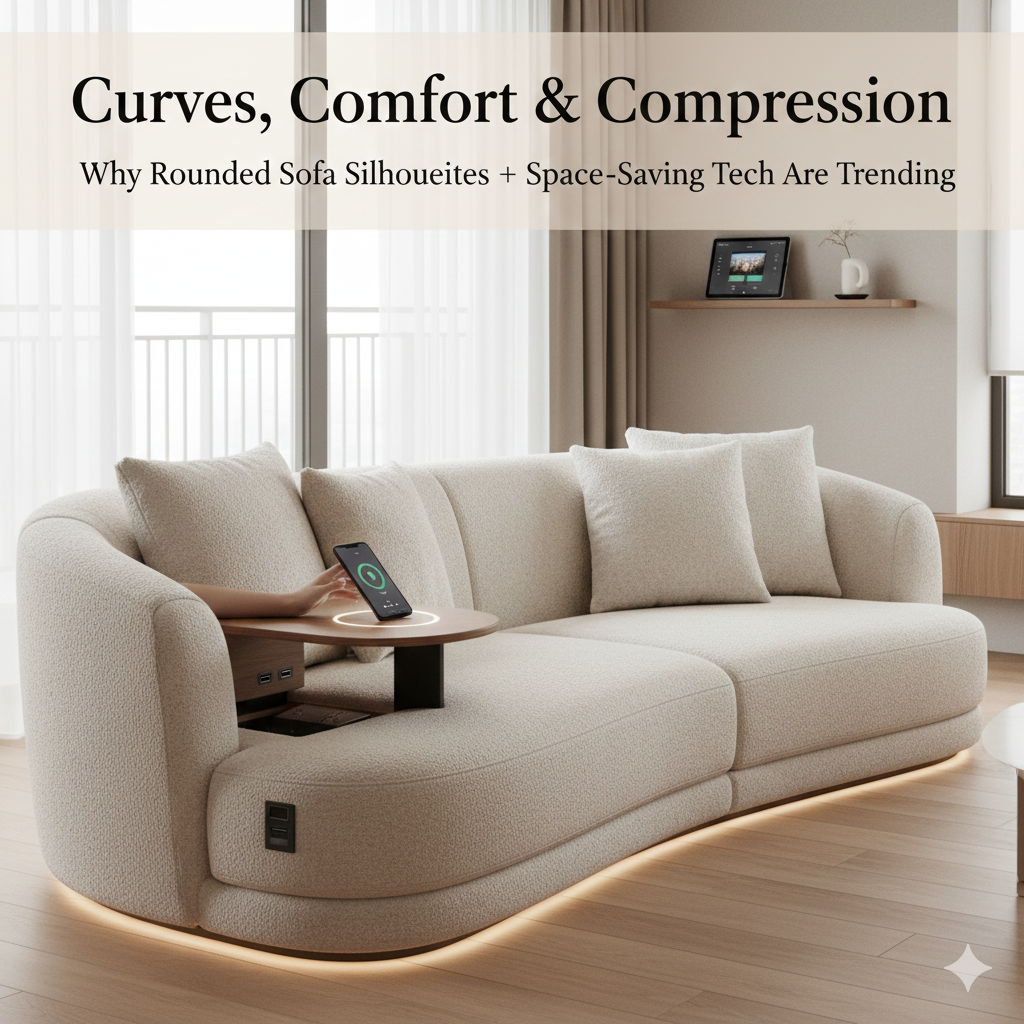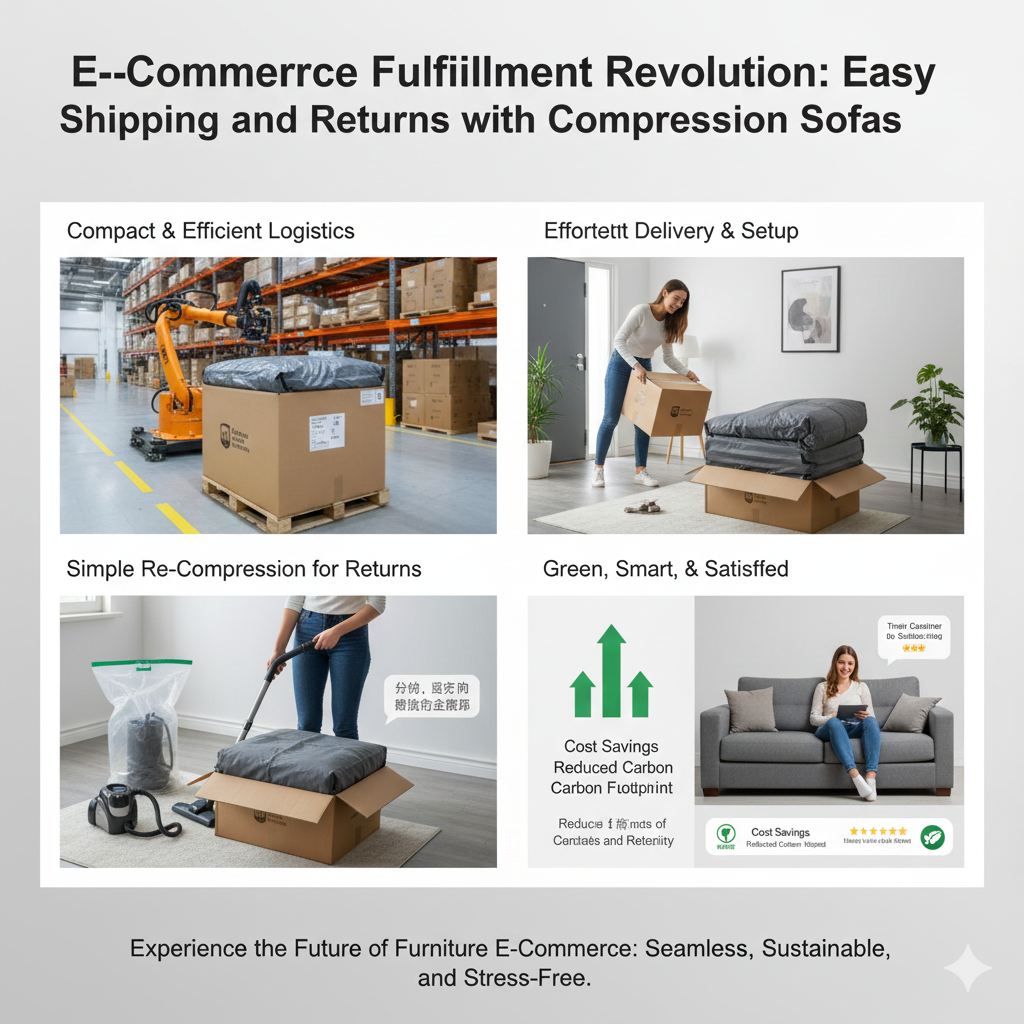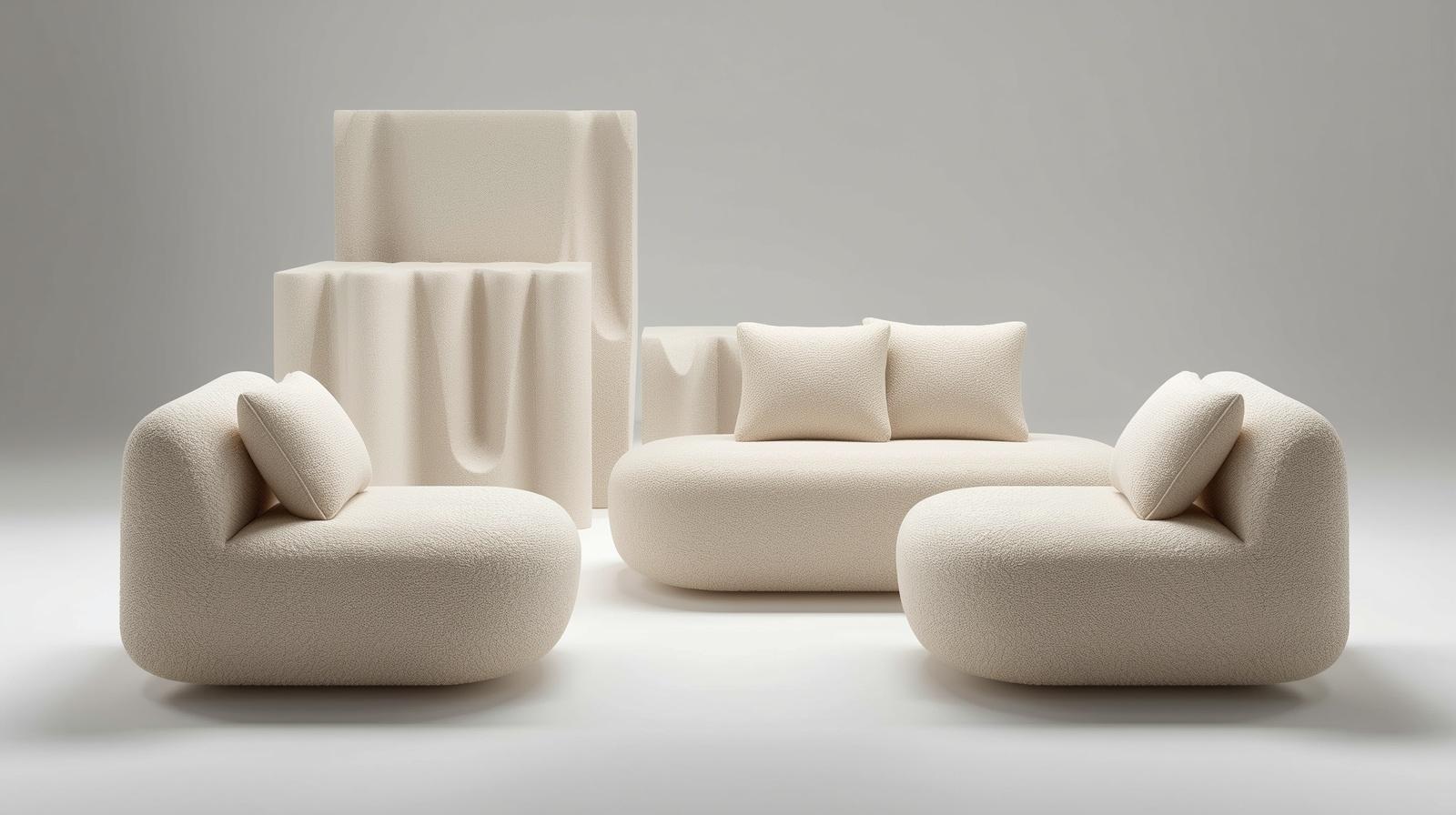
Anyone who has handled post-sale complaints knows the pattern. A sofa looks perfect when delivered—firm, supportive, visually aligned. But after months of real use, cushions begin to dip, seating becomes uneven, and the product no longer feels reliable. These are not random defects; they are predictable outcomes of insufficient material and structural design. A properly engineered high density foam furniture set addresses these issues at the source, using material stability and load distribution to maintain performance over time.
What Really Determines Whether a Sofa Keeps Its Shape
At first glance, many furniture sets appear similar. The difference only becomes visible after repeated use cycles. Lower-density foams compress more easily and fail to recover, especially in high-contact seating areas.
Industry studies, including material performance guidance from American Society for Testing and Materials (ASTM), emphasize that compression set and recovery rate are more critical than initial firmness when evaluating long-term seating materials. In a high density foam furniture set, these parameters are controlled to ensure that deformation remains minimal even after thousands of use cycles.
Inside the Material: Density, Cell Structure, and Support Logic
Before discussing performance, it is necessary to understand how the material itself is formed. Foam used in seating is not uniform—it varies in density, cell openness, and resilience.
In a high density foam furniture set, the foam core is engineered with tighter cell structures that resist collapse under load. This reduces internal breakdown while maintaining controlled elasticity. From an industrial perspective, density levels are calibrated to balance compression resistance and seating comfort, ensuring that the foam does not become overly rigid.
Equally important is how the foam interacts with the outer layers. Surface softness is achieved without sacrificing the structural integrity of the core.
Why Professional Experience Changes the Outcome
Material alone does not guarantee performance. The difference between average and reliable products often lies in how design, material, and production are integrated.
Teams with long-term manufacturing experience understand how foam behaves not just in testing, but in real environments—under uneven loads, temperature changes, and repeated usage. This is where a high density foam furniture set benefits from systematic design thinking: each component is selected and calibrated with long-term performance in mind, not just initial presentation.
Structural Design: Where Most Products Fail Over Time
Even high-quality foam will degrade quickly if the structure beneath it is poorly designed. One common issue is uneven load distribution, where certain seating zones carry disproportionate pressure.
In a well-developed high density foam furniture set, the internal structure is aligned to distribute weight across the entire seating area. This reduces localized stress and prevents early sagging. Frame geometry, support layers, and cushion thickness all work together to create a balanced load path.
The result is not just durability, but consistency—every seat feels the same over time.
Performance Comparison in Long-Term Use Conditions
| Performance Metric | Standard Foam Set | High Density Foam Set |
|---|---|---|
| Shape retention (12 months) | 70–75% | 90–95% |
| Compression deformation | 12–18% | <6% |
| Support consistency | Uneven over time | Stable |
| Maintenance frequency | High | Reduced by ~35% |
| Replacement cycle | 3–4 years | 6–8 years |
These differences become significant when scaled across multiple units in real projects.
A Practical Case: When Density Reduces Replacement Cycles
In one mid-scale residential project supplying furnished apartments, the initial selection used standard foam seating. Within 18 months, over 20 percent of units required cushion replacement due to visible sagging.
After switching to a high density foam furniture set, the replacement rate dropped below 8 percent over a similar usage period. More importantly, maintenance teams reported fewer complaints related to uneven seating and reduced need for frequent inspections.
This shift did not rely on changing design style, but on improving the internal material system.
Cost Perspective: Where the Real Savings Come From
From a procurement standpoint, initial pricing often dominates decision-making. However, furniture is a long-cycle asset, and its cost must be evaluated over time.
A high density foam furniture set typically carries a moderate increase in material cost, but this is offset by reduced replacement frequency, lower maintenance effort, and improved user satisfaction. Over a multi-year period, total cost of ownership is often significantly lower compared to lower-density alternatives.
For distributors and project buyers, this translates into more predictable margins and fewer operational disruptions.
Frequently Asked Questions
Does higher density mean the sofa will feel too firm?
Not necessarily. Comfort depends on layering design, not density alone.
Is high density foam suitable for both residential and commercial use?
Yes. Specifications can be adjusted based on usage intensity.
Can density alone solve durability issues?
No. Structure and processing are equally important.
Closing Perspective
A high density foam furniture set is not defined by how it feels on day one, but by how it performs after months and years of use. Stability, consistency, and reduced deformation are what ultimately determine product value.
At HomeZeno, we approach furniture development by aligning foam engineering, structural design, and production control from the beginning. This ensures that each product performs reliably under real-world conditions rather than controlled showroom environments.
To explore our full range of furniture solutions, visit
https://www.homezeno.com/en/products
If you are planning a project or evaluating long-term supply options, you can also reach out directly at
https://www.homezeno.com/contact-us
to discuss specifications, customization, and performance requirements.