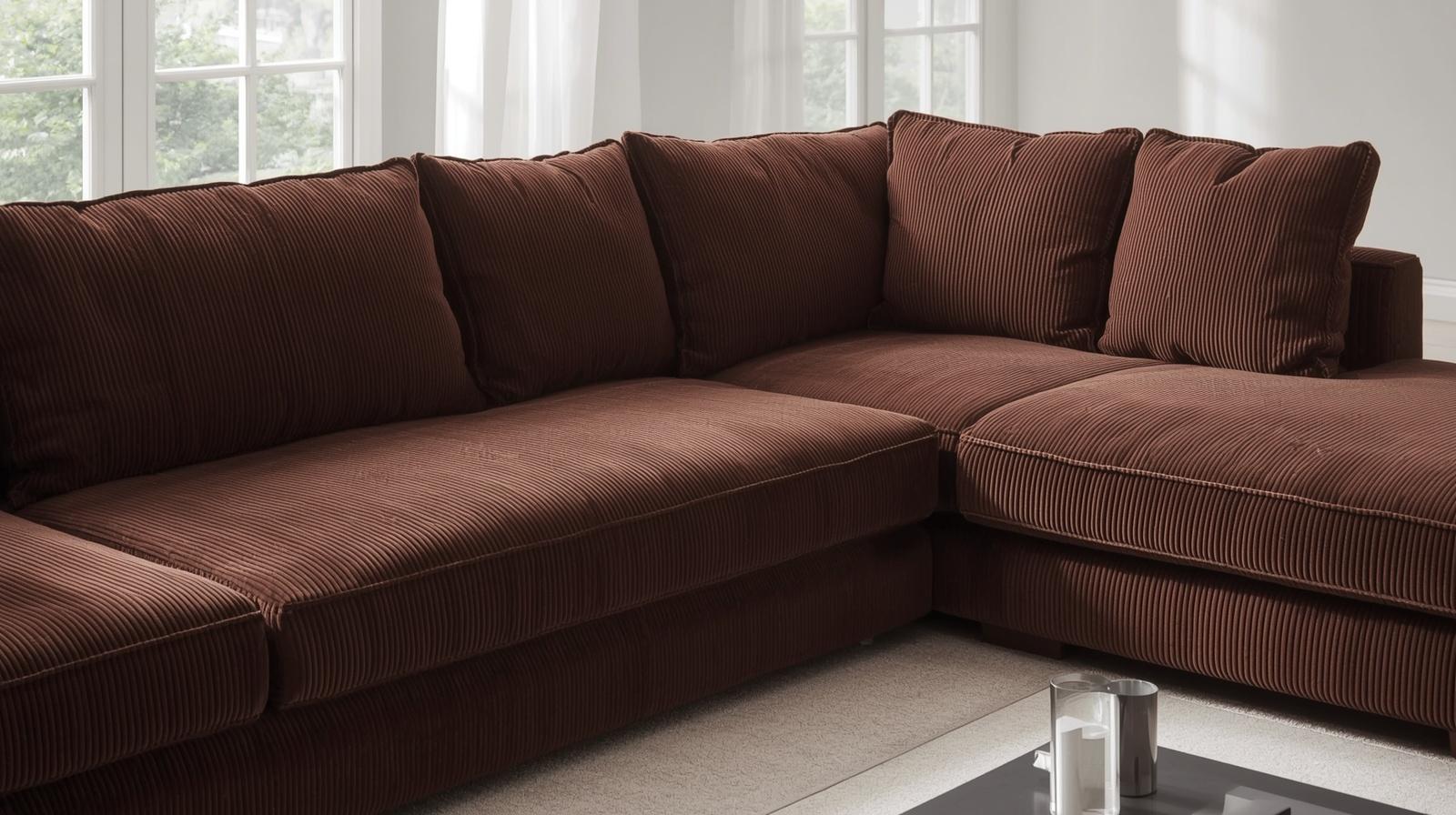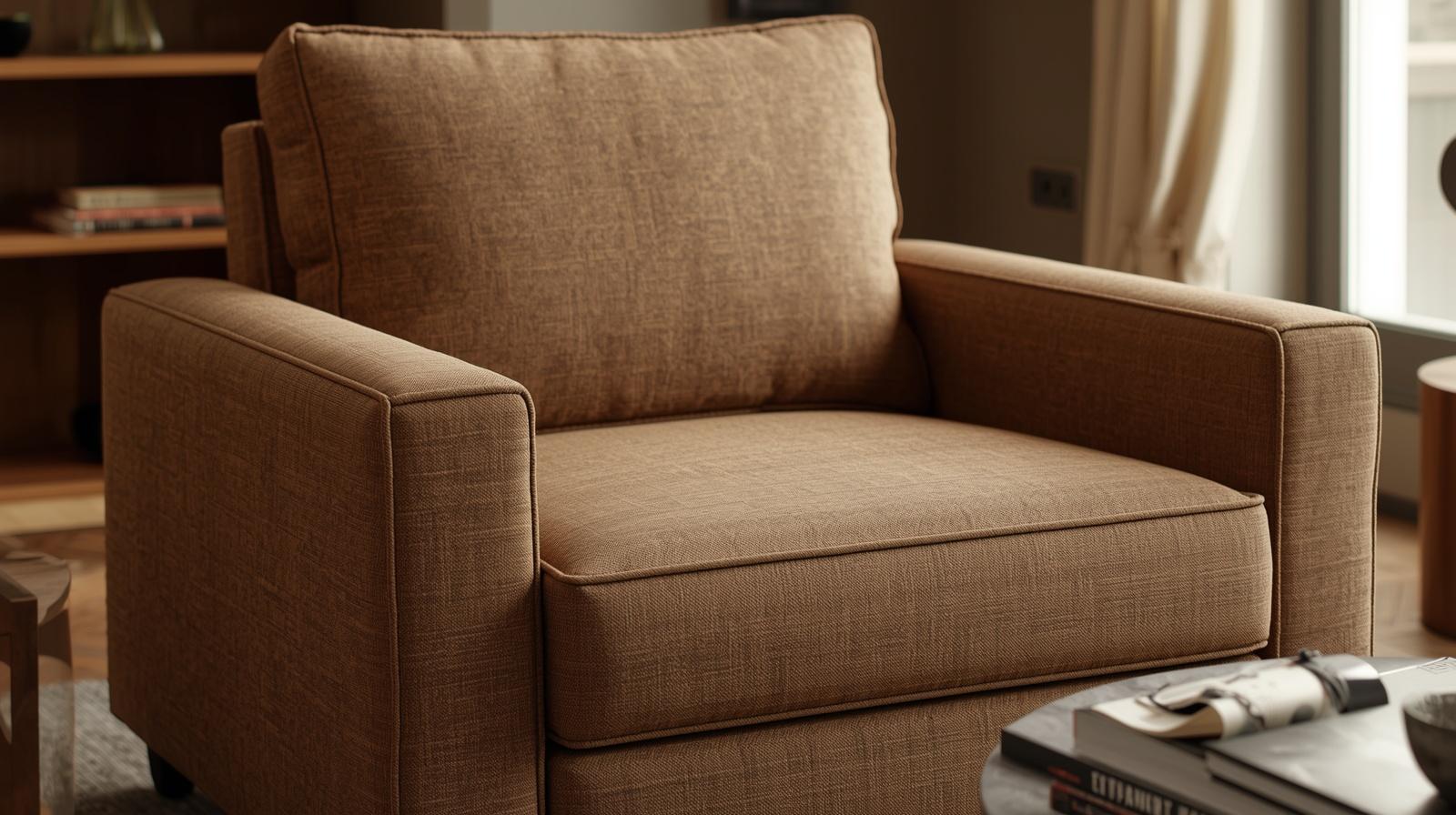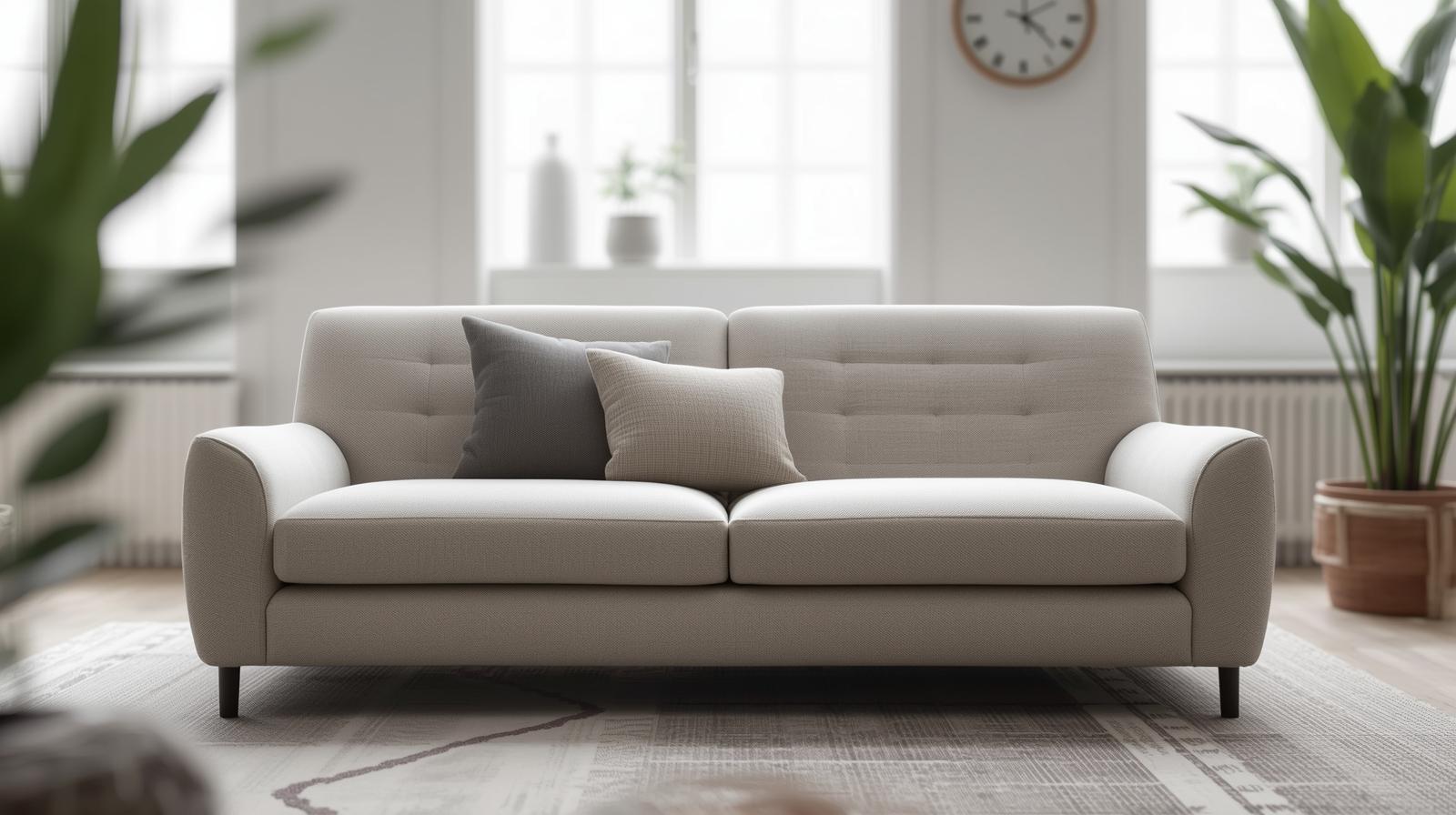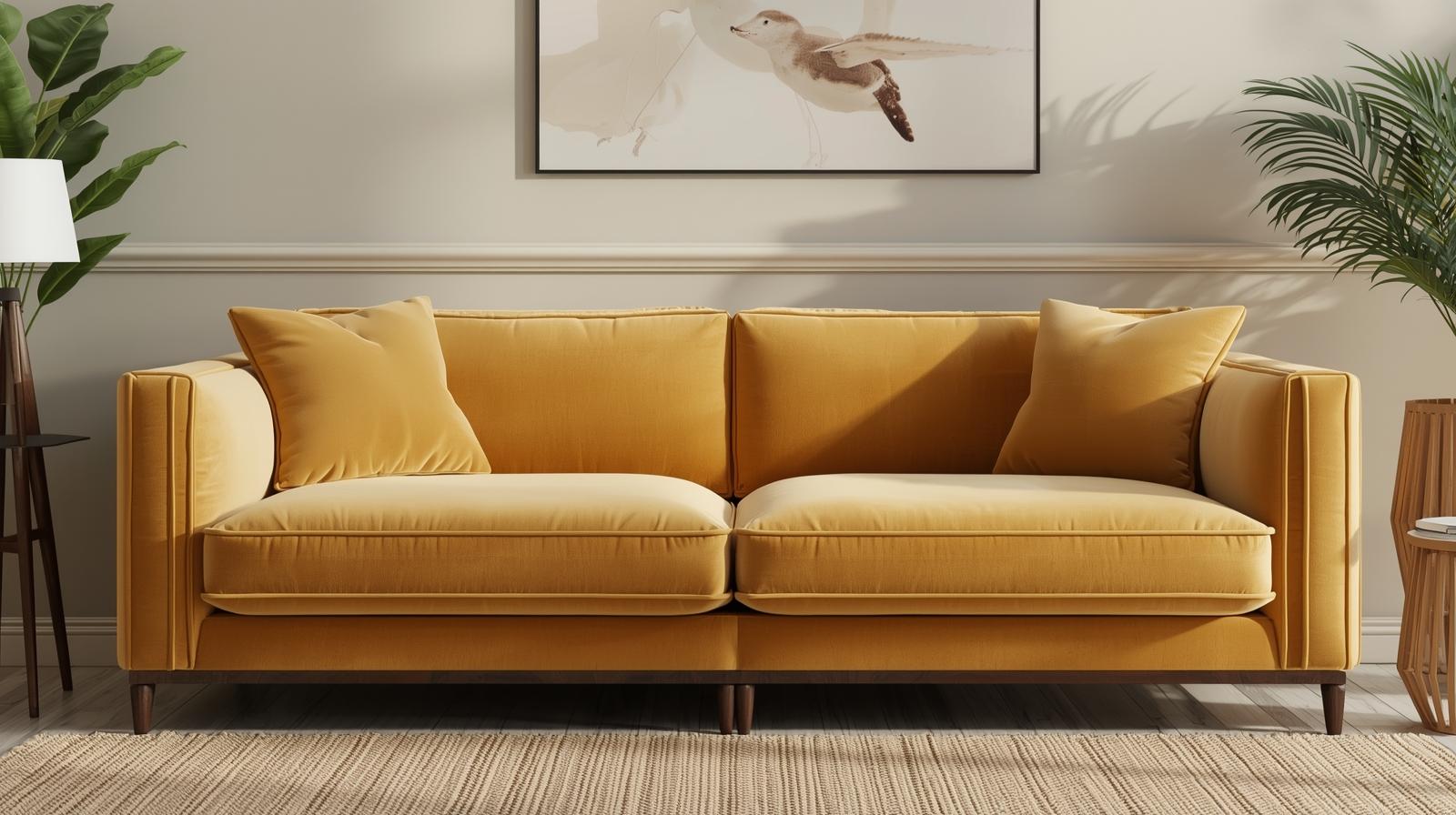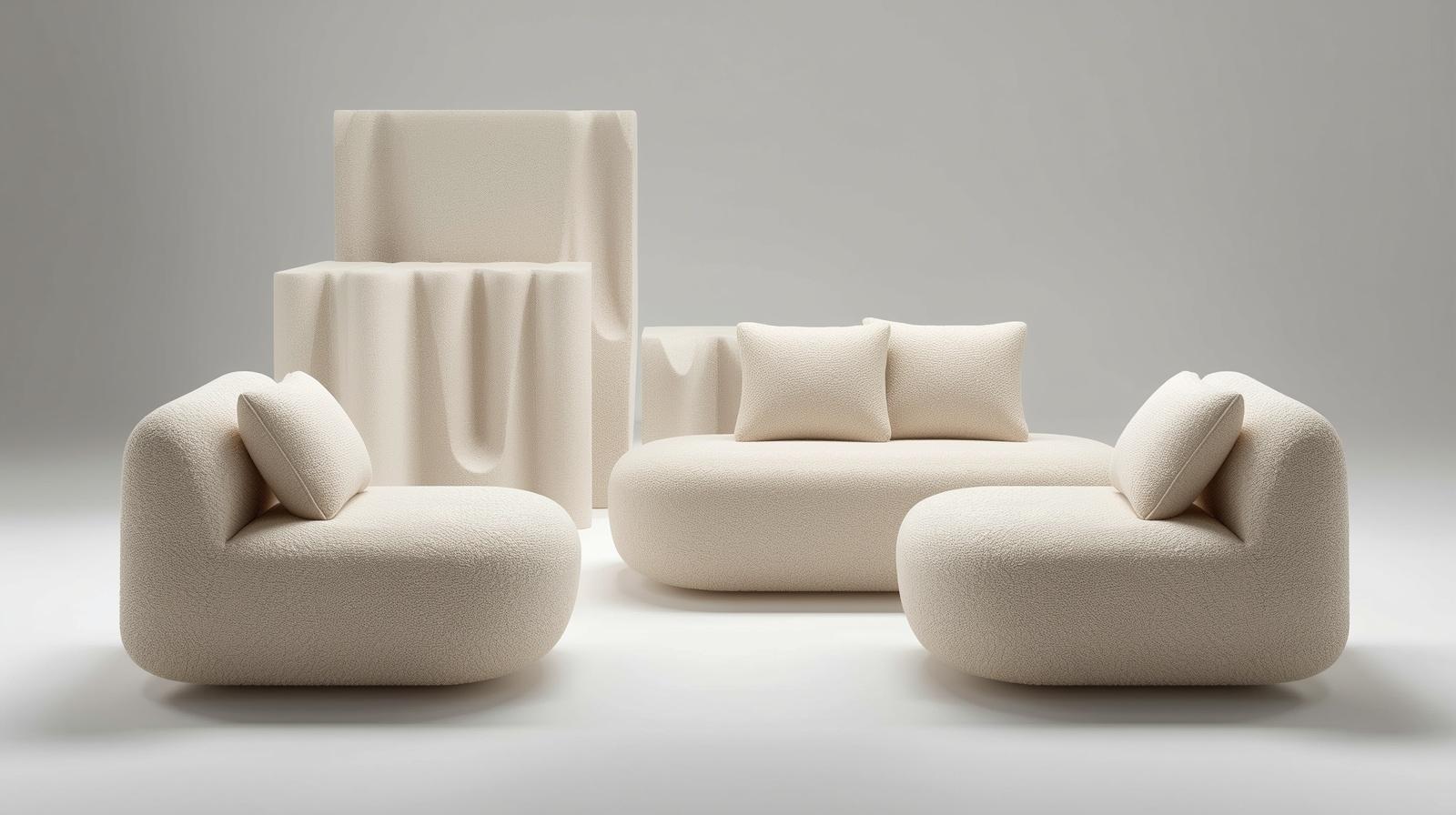
Elastic Support Compressed Sofa for Long-Distance Transport
In export furniture projects, compression packaging is often necessary, but it introduces a common risk: loss of seating comfort after delivery. An Elastic Support Compressed Sofa is developed specifically to address this challenge by combining elastic support structures with controlled compression, ensuring the sofa performs consistently after long-distance transport and storage.
How Elastic Support Changes Post-Compression Performance
Unlike conventional compressed sofas that rely heavily on foam density alone, elastic support designs distribute load more effectively during compression and recovery. In long-distance shipping scenarios, sofas may remain compressed for weeks, during which constant pressure can permanently alter foam behavior if structural support is insufficient.
An Elastic Support Compressed Sofa uses internal elastic elements to absorb part of the compression force, allowing the foam core to retain its original resilience. This approach reduces delayed firmness increase and uneven seat response that buyers often encounter after unpacking.
Material and Structural Design for Elastic Recovery
From a material perspective, elastic support systems work in coordination with medium-to-high density foam rather than replacing it. Foam selection focuses on rebound behavior after extended compression rather than density alone. Structurally, elastic layers or support bases are positioned beneath the seating foam to create controlled resistance during compression and gradual energy release during recovery.
In an Elastic Support Compressed Sofa, the structure ensures that compression stress is shared across the frame and support elements instead of concentrating on the foam cells. This design significantly improves long-term recovery stability, especially after ocean freight and extended warehouse storage.
Compression Process Aligned with Elastic Support Behavior
Compression parameters for elastic support sofas differ from standard compressed models. Instead of maximizing volume reduction, the process prioritizes maintaining elastic response after unpacking. Compression ratios are defined according to the elastic system’s load-bearing capacity, preventing excessive stress on both foam and support components.
This controlled approach ensures that an Elastic Support Compressed Sofa maintains predictable recovery timing and seating feel, even after prolonged transport cycles.
Performance Comparison After Long-Distance Shipping
| Performance Metric | Standard Compressed Sofa | Elastic Support Compressed Sofa |
|---|---|---|
| Volume reduction | 50–60% | 40–45% |
| Foam recovery after 72 hours | 70–80% | 90–95% |
| Permanent deformation risk | 10–15% | <5% |
| Post-delivery complaint rate | 7–10% | 1–3% |
| Average container cost saving | ~25% | ~35% |
The data shows that elastic support designs trade minimal volume reduction for significantly improved post-delivery performance and lower after-sales risk.
Production and Export Execution in B2B Projects
In real B2B export programs, an Elastic Support Compressed Sofa is typically produced under project-based conditions. Minimum order quantities are defined by configuration and packaging method, while sample development usually takes one to two weeks. Bulk production lead times commonly range from 30 to 45 days, depending on customization requirements.
Customization often includes adjustments to elastic support tension, foam rebound characteristics, upholstery materials, and compression packaging methods to suit different markets and shipping distances.
Frequently Asked Buyer Questions
Why does elastic support matter in compressed sofas?
Elastic support reduces direct stress on foam during compression, improving recovery stability after long-distance transport.
Does elastic support increase overall cost?
Material cost may be slightly higher, but total project cost is often lower due to reduced complaints, replacements, and returns.
Is elastic support compatible with OEM or private label projects?
Yes. Elastic support systems can be customized in structure and performance to meet OEM specifications without affecting compression feasibility.
Closing Perspective
An Elastic Support Compressed Sofa is ultimately about reliability, not extreme compression. For long-distance export projects, stable recovery and consistent comfort are what protect brand reputation and reduce downstream risk.
HomeZeno focuses on compressed sofa solutions where product design, compression control, and production execution are aligned from the start. By combining elastic support structures with verified compression methods, HomeZeno helps B2B buyers achieve space-efficient shipping without sacrificing post-delivery performance. To explore available compressed sofa options, visit
https://www.homezeno.com/products
or contact the HomeZeno team directly at
https://www.homezeno.com/contact-us
to discuss project specifications, customization, and export requirements.