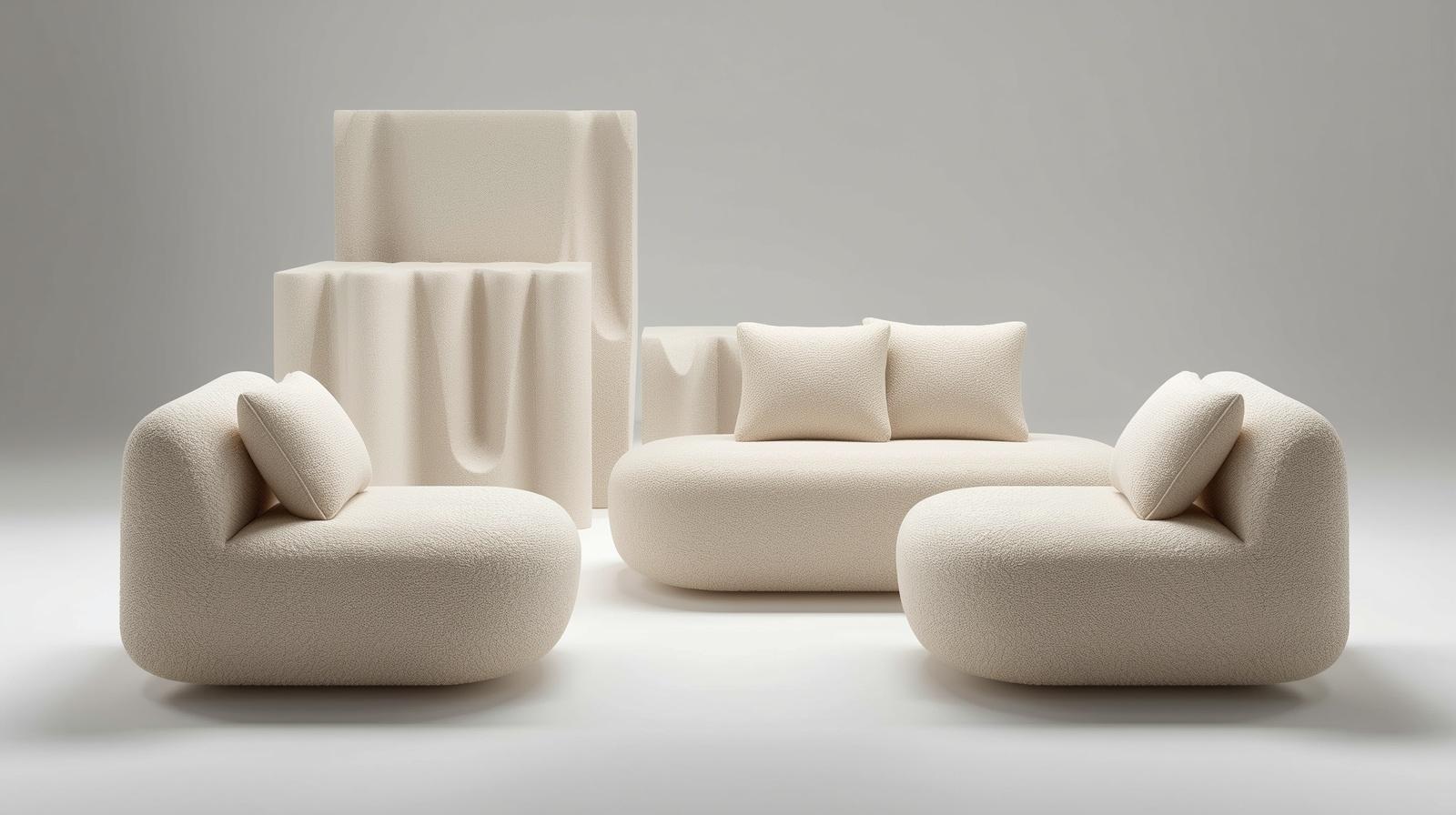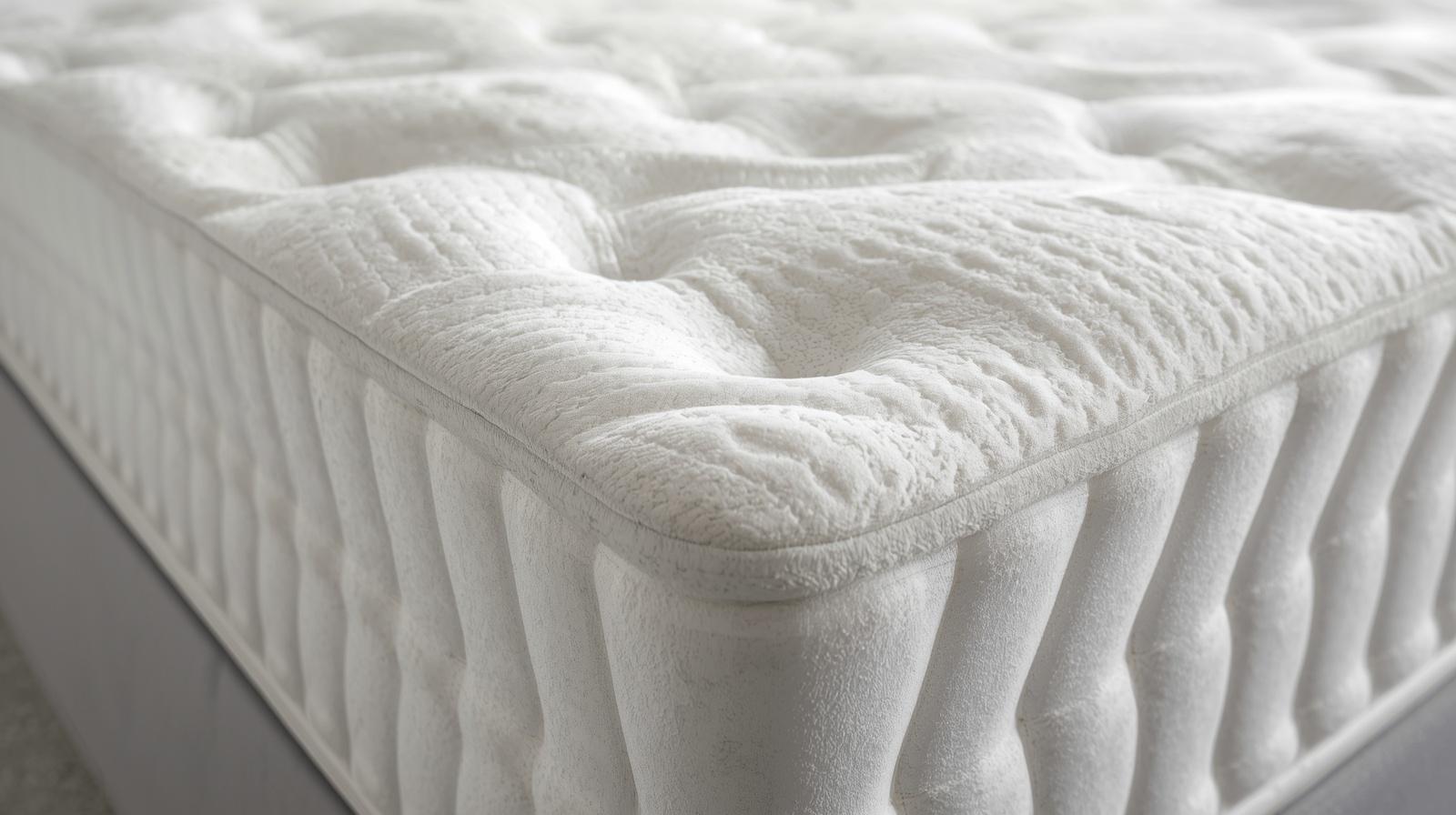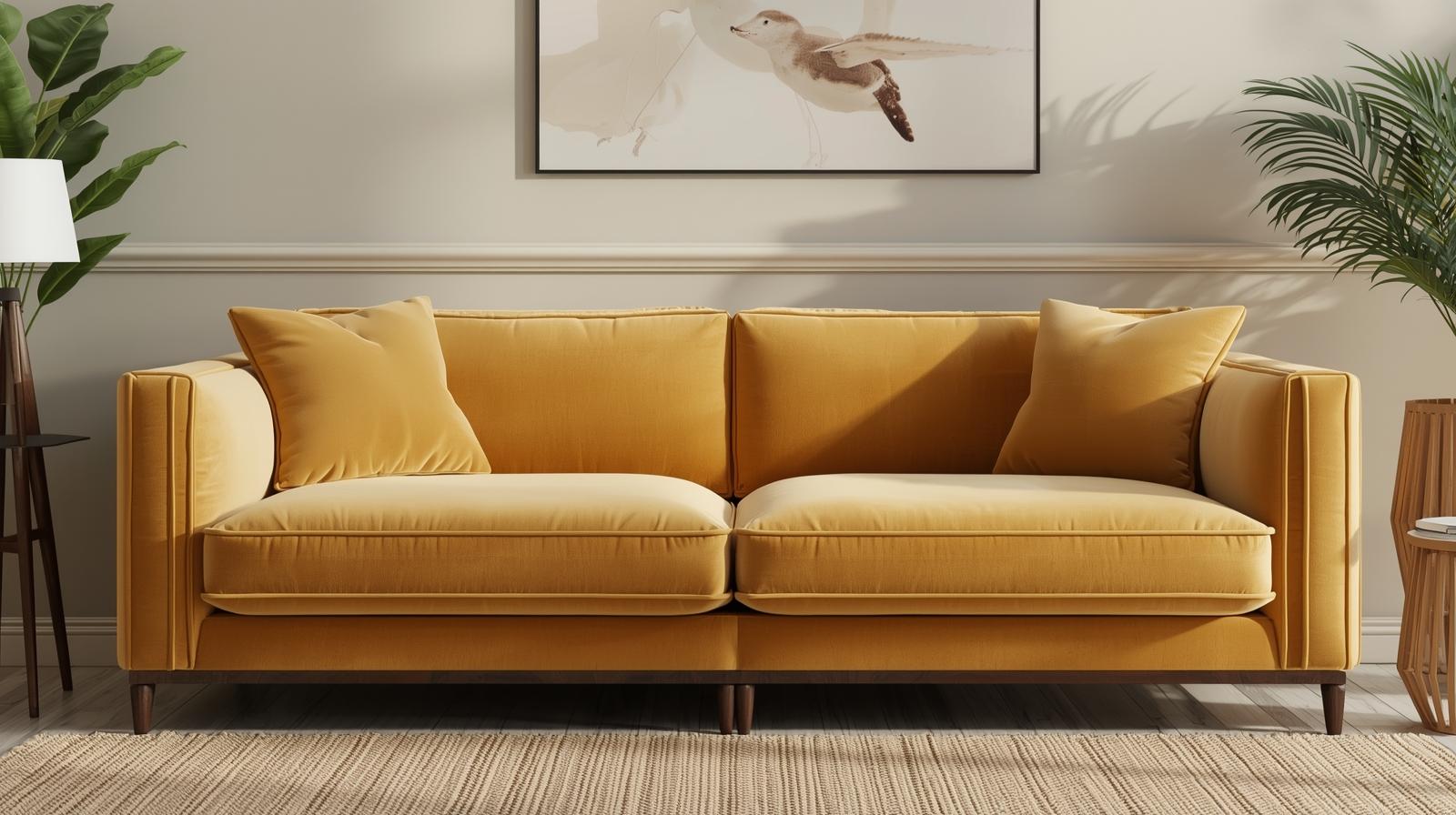
Anyone sourcing sofas for real projects has seen this before. A sofa feels perfectly soft in the showroom—inviting, comfortable, easy to sell. But after a few months of daily use, that softness turns into sagging, uneven seating, and customer complaints. The issue is rarely about softness itself, but how rebound is controlled. A professional soft rebound sofa factory approaches this differently, designing cushions that recover after compression while preserving structural support.
Why Softness Alone Fails in Long-Term Seating
Soft seating is often achieved by reducing foam resistance or using low-density materials. While this creates an immediate comfort effect, it also accelerates deformation.
According to material testing guidelines from American Society for Testing and Materials (ASTM), rebound resilience and compression set are more reliable indicators of long-term seating performance than initial softness. In a soft rebound sofa factory, these parameters are prioritized to ensure that softness does not come at the expense of durability.
This shift—from “soft feel” to “controlled rebound”—is what separates stable products from short-lived ones.
Material Engineering: How Soft Rebound Is Actually Achieved
Soft rebound is not created by making foam weaker, but by optimizing its internal structure. The foam must compress easily under load while still storing enough energy to recover its shape.
Inside a soft rebound sofa factory, foam formulations are calibrated to achieve this balance. Open-cell structures allow smooth compression, while controlled density prevents collapse under repeated use. The result is a seating surface that feels soft but retains its original form after pressure is released.
This balance becomes critical in products intended for daily use rather than occasional seating.
Industrial Design and Cushion Layer Coordination
Material performance alone is not enough. Cushion construction determines how that material behaves under real conditions.
A well-designed system from a soft rebound sofa factory typically combines a responsive top layer with a supportive core. The upper layer absorbs initial pressure and creates a soft touch, while the core layer stabilizes the structure and prevents excessive sinking.
This layered approach ensures that softness is consistent across the entire seating area, rather than concentrated in specific zones.
Why Experience Matters in Rebound Control
Achieving the right balance between softness and support is not a formula—it is a process refined through production experience.
Manufacturers with long-term expertise understand how different foam behaviors interact with frame structures, fabric tension, and user habits. In a soft rebound sofa factory, this experience is applied during design and production to avoid common issues such as delayed recovery, uneven seating, or long-term deformation.
The difference is subtle at first, but becomes obvious after extended use.
Performance Comparison: Soft Feel vs Controlled Rebound
| Performance Metric | Standard Soft Sofa | Soft Rebound Engineered Sofa |
|---|---|---|
| Initial comfort feel | High | High |
| Rebound recovery rate | 65–75% | 90–95% |
| Cushion deformation (12 months) | 15–20% | <7% |
| Support consistency | Decreases over time | Stable |
| Customer complaint rate | 10–15% | 2–5% |
The comparison shows that controlled rebound maintains both comfort and durability.
A Real Scenario: When Softness Becomes a Liability
In one export project supplying mid-range residential sofas, the initial design prioritized softness to meet market preferences. Within the first year, distributors reported a noticeable increase in complaints related to sagging cushions and uneven seating.
After transitioning to a system developed by a soft rebound sofa factory, the issue was significantly reduced. By adjusting foam structure and layering, the sofas retained their soft feel while improving recovery performance. Complaint rates dropped by more than half within the next production cycle.
Cost Perspective: Balancing Comfort and Lifecycle Value
Soft seating often appears cost-effective at the beginning, but frequent replacement and maintenance quickly increase total cost.
A soft rebound sofa factory approach may slightly increase material and development cost, but it reduces long-term expenses by improving durability. Fewer replacements, lower complaint rates, and more stable product performance contribute to better margin control for distributors and project buyers.
This is particularly important in markets where customer expectations for comfort are high, but tolerance for defects is low.
Frequently Asked Questions
Does softer foam always reduce durability?
Yes, if not properly engineered. Softness without rebound control leads to faster deformation.
Can soft rebound sofas be used in high-traffic environments?
Yes, when designed with balanced structure and high-resilience materials.
Is rebound performance visible during testing?
Not always. Differences become more apparent after repeated real-world use.
Closing Perspective
A soft rebound sofa factory does not simply create softer sofas—it develops seating systems that maintain comfort over time. The goal is not just initial appeal, but consistent performance throughout the product lifecycle.
At HomeZeno, we integrate foam engineering, cushion structure, and production control to create sofas that balance softness with long-term support. This approach ensures reliable performance across different markets and usage conditions.
To explore our product range, visit
https://www.homezeno.com/en/products
For project inquiries or customization requirements, contact
https://www.homezeno.com/contact-us