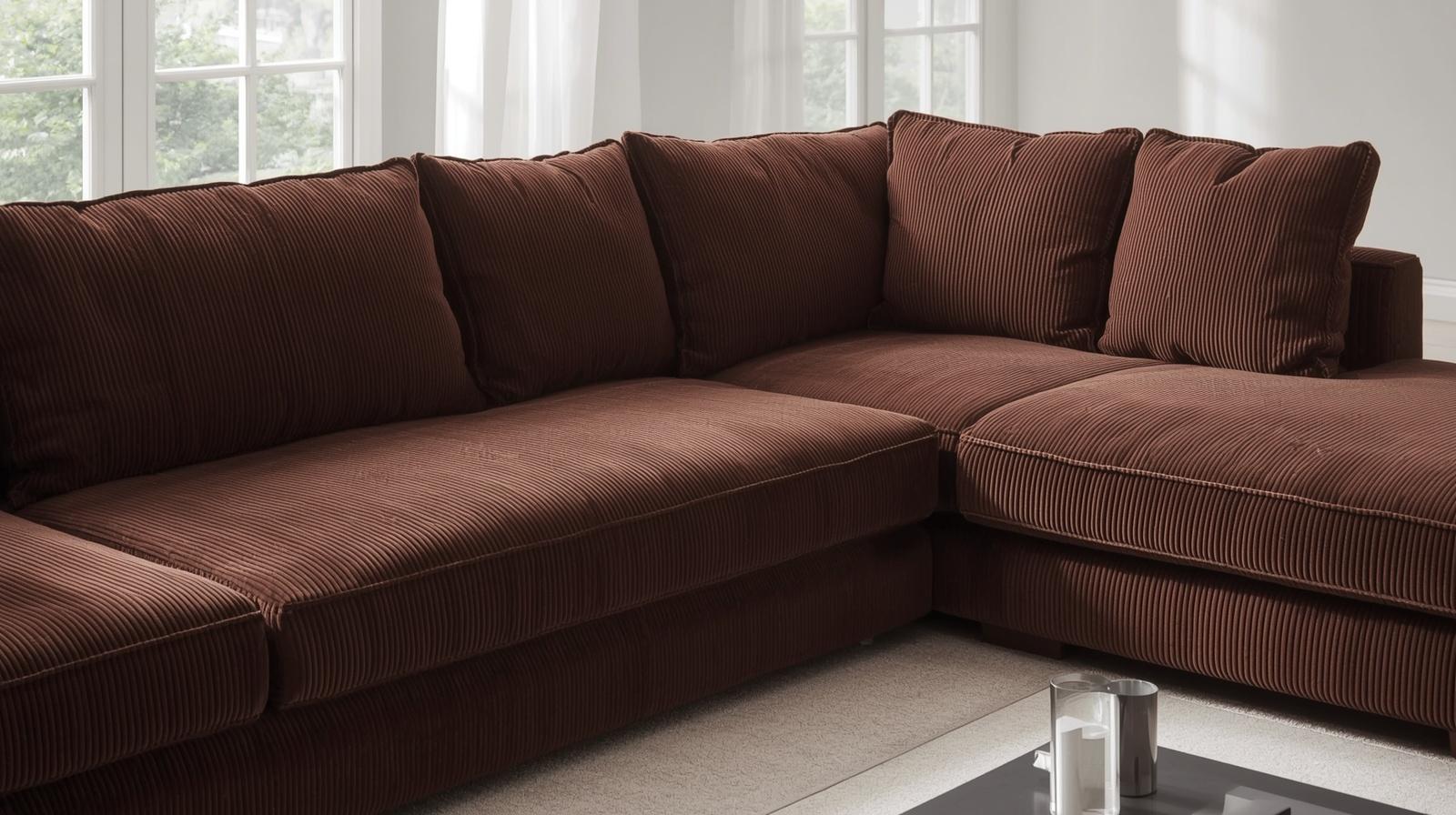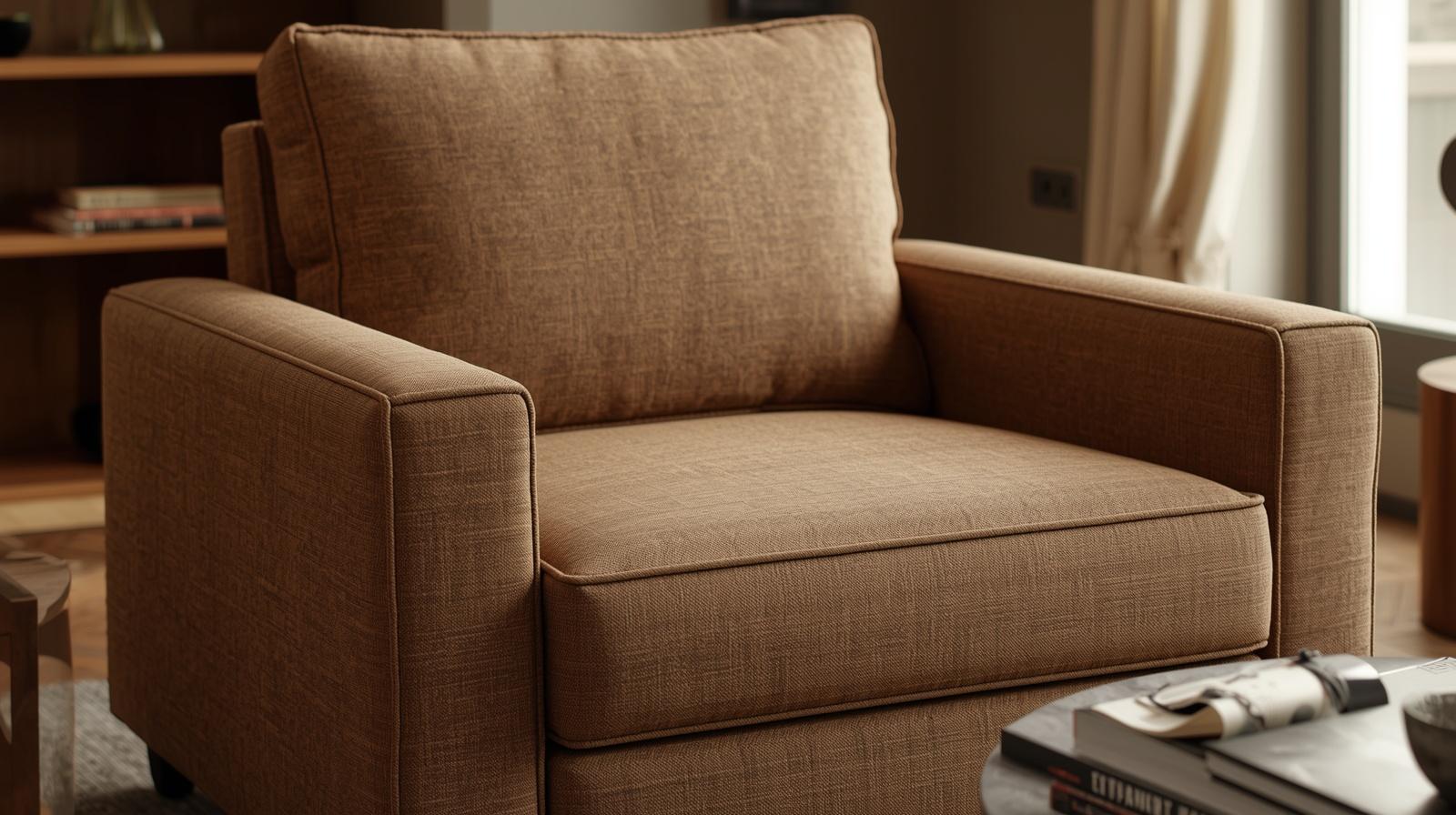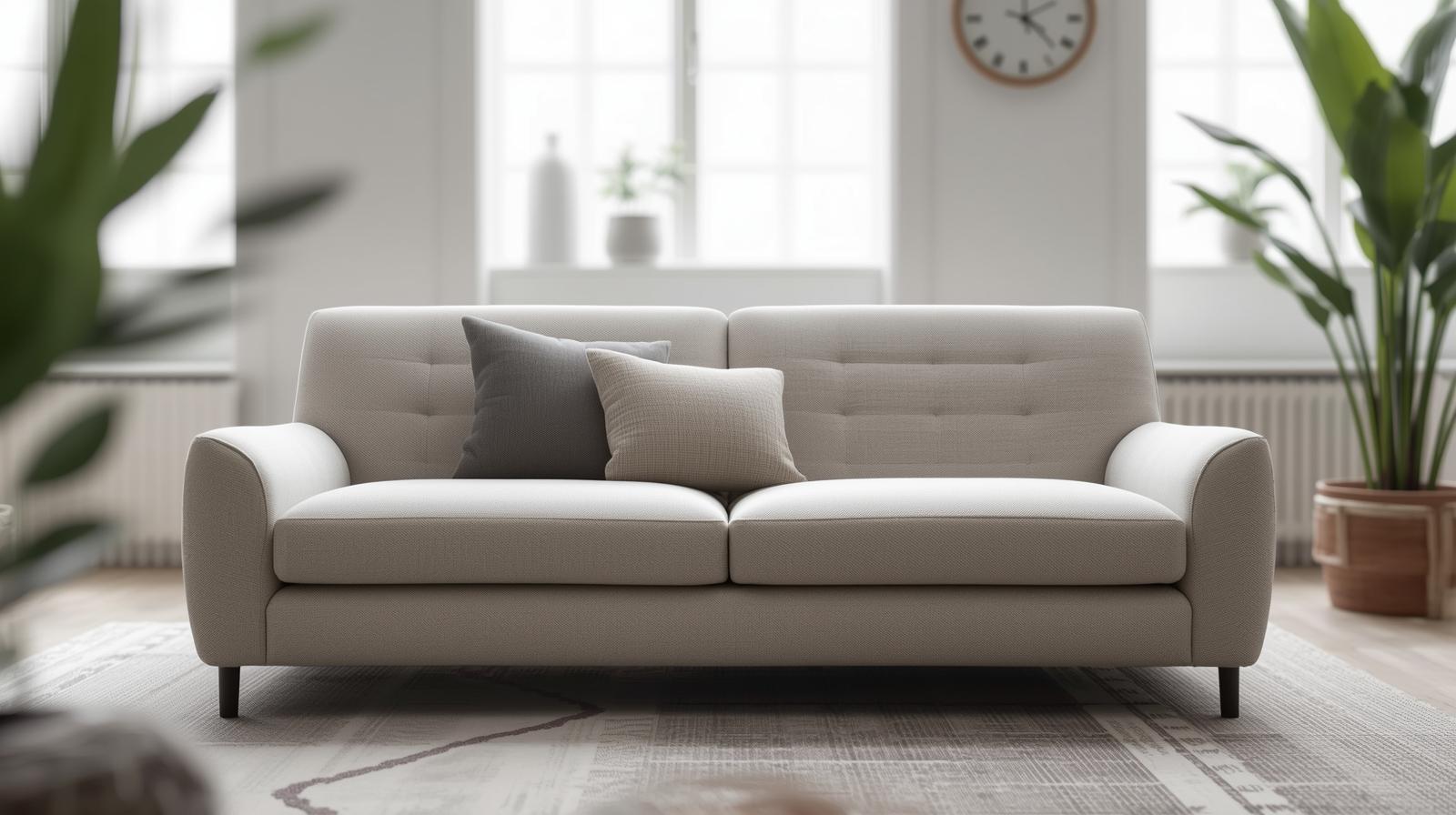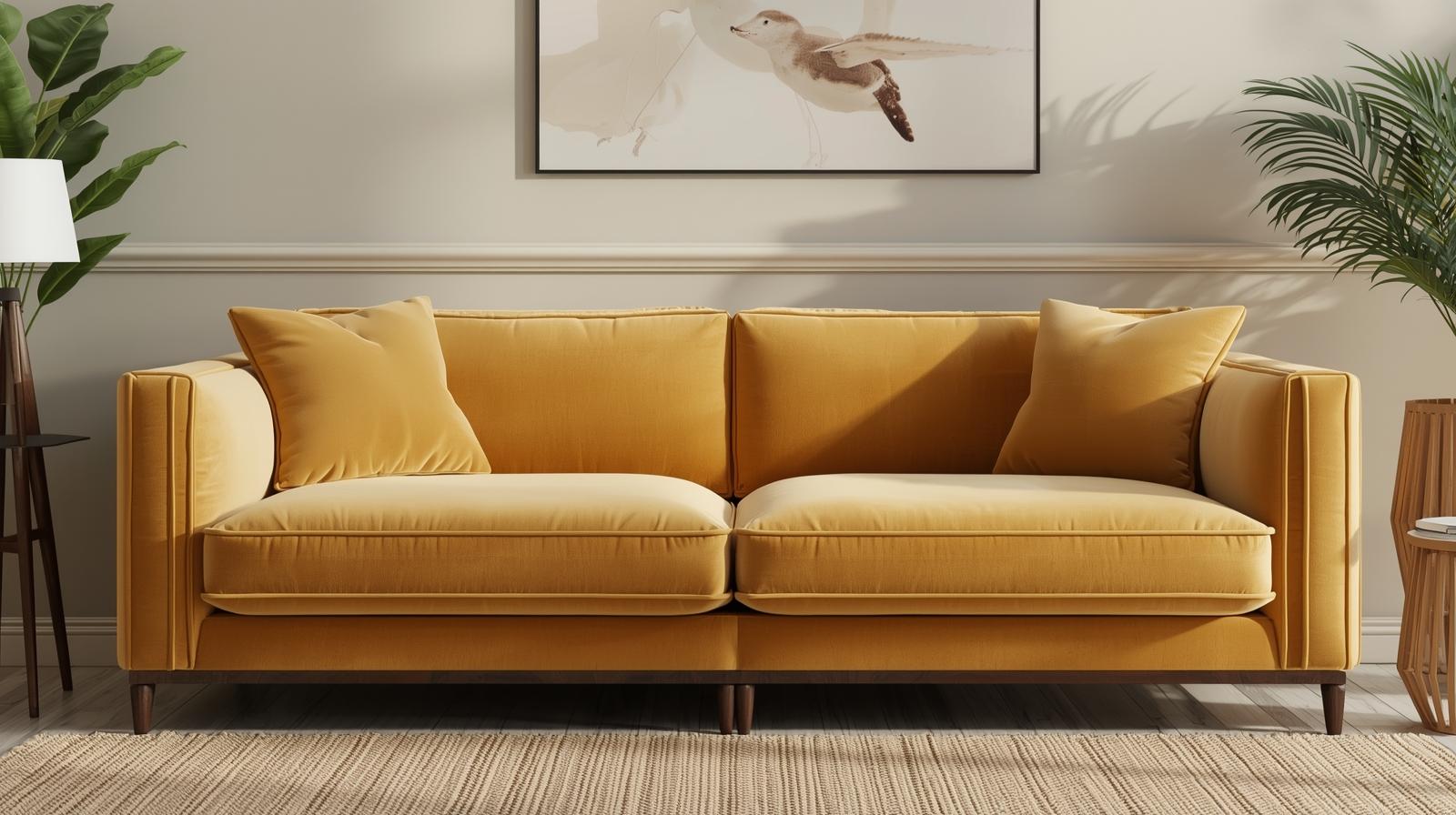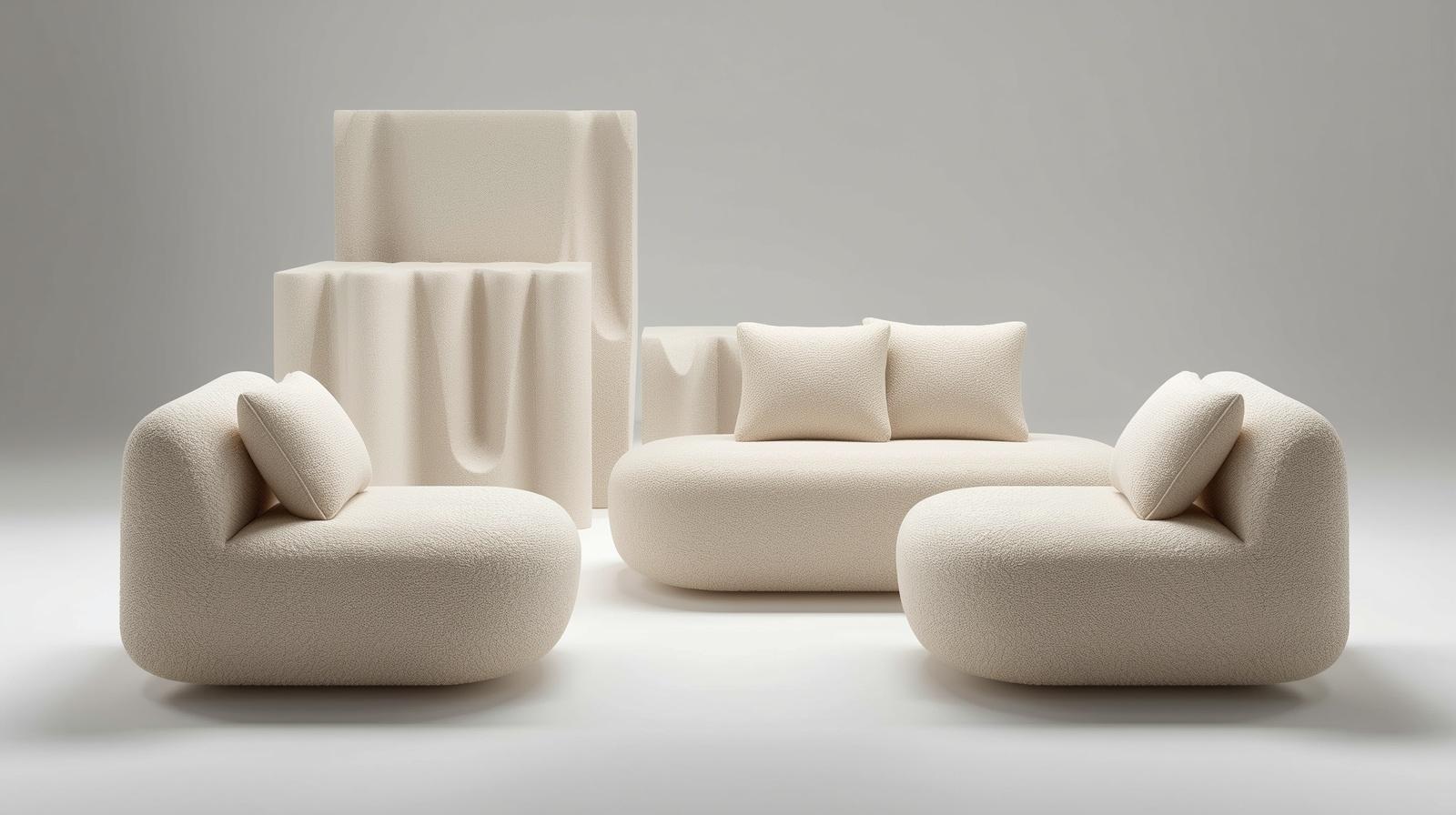
Foam Sofa Innovation: How Material Science Shapes Durability, Comfort, and Global Export Value
Comfort Has a Formula: The Material Challenge Behind Sofas
Most sofas look comfortable, but comfort fades if the foam density, elasticity, and rebound structure are poorly engineered. In mass production, low-quality foam loses its shape after months of use, causing seat deformation, uneven support, and customer complaints.
The foam sofa, however, has evolved from basic filling to an engineered comfort system. For global exporters, it’s no longer about softness—it’s about scientific balance between structure, comfort, and lifecycle.
According to the International Furniture Technology Association (IFTA), foam degradation is responsible for nearly 30% of post-sale defects in upholstered furniture. Homezeno’s solution redefines this equation with advanced rebound foam engineering.
Inside the Material Science of Foam Sofas
Homezeno’s foam sofa production starts with precision density control and multi-layer foam blending, ensuring both ergonomic comfort and export durability.
Key design components include:
-
High-Density Base Foam (≥45 kg/m³) – Provides stable structure and pressure absorption.
-
Rebound Foam Layer – Recovers in under 2 seconds, preventing surface sagging.
-
Comfort Top Layer – Soft-touch layer with micro-air cell texture for breathable comfort.
-
Thermal-Resistant Bonding – Prevents delamination in hot, humid export environments.
The result: a sofa that maintains its resilience, shape, and comfort after thousands of seating cycles—ideal for export, retail, and hospitality projects.
Traditional Filling vs. Engineered Foam Systems
| Property | Conventional Sponge Sofa | Homezeno Foam Sofa |
|---|---|---|
| Density Consistency | Unstable, prone to collapse | Calibrated ±5% precision |
| Elastic Recovery | Low resilience | 95–98% rebound rate |
| Structural Strength | Weak under compression | Reinforced multi-layer core |
| Comfort Longevity | 6–12 months | 3–5 years |
| Eco Compliance | Often non-certified | REACH & ISO 14001 compliant |
This transformation isn’t cosmetic—it’s mechanical.
Foam density and rebound precision directly influence seating pressure, user posture, and energy absorption, making Homezeno’s foam sofas both scientifically sound and globally adaptable.
How Homezeno Designs for Export Longevity
Homezeno integrates AI-calibrated density mapping and compression modeling into production workflows. Each foam batch is digitally scanned to ensure structural uniformity, eliminating micro-defects that cause early wear.
Innovations include:
-
Density Mapping System – Real-time AI monitors foam uniformity during molding.
-
Temperature-Controlled Expansion – Maintains foam cell integrity and volume recovery.
-
Compression-Ready Packaging – Enables safe export in vacuum-sealed form with 60–65% volume reduction.
-
Hybrid Comfort Engineering – Optional pocket-spring integration for enhanced ergonomic response.
These technologies position Homezeno not merely as a manufacturer but as a technical partner for global furniture brands.
Key Advantages of Foam Sofa Systems
-
Superior Comfort Retention – Balanced density prevents long-term sagging or flattening.
-
Lightweight Yet Durable – Reduces freight weight while maintaining seat firmness.
-
Sustainable Design – Water-based adhesives and recyclable foam reduce environmental footprint.
-
Customization Flexibility – Multiple density, color, and texture options for OEM/ODM clients.
-
Global Compliance – Meets flammability and safety standards (EN12520, BS5852).
Application Scenarios: From Living Spaces to Hospitality Chains
-
Luxury Apartments – Combines modern aesthetics with durable, soft-touch comfort.
-
Hotels & Resorts – Retains elasticity despite daily usage cycles.
-
Corporate Lounges – Supports ergonomic posture in high-traffic environments.
-
Furniture Retailers – Easy-to-display models with compression-friendly packaging for shipment.
Foam sofa technology offers scalability for both mass retail distribution and custom project-based procurement—bridging manufacturing efficiency with comfort psychology.
Foam Density and Use Cases
| Usage Environment | Recommended Foam Density (kg/m³) | Key Features | Durability |
|---|---|---|---|
| Residential Sofas | 35–40 | Soft, flexible comfort | 3–5 years |
| Hospitality Sofas | 40–45 | High rebound for frequent use | 4–6 years |
| Office & Lounge Seating | 45–50 | Firm, posture-aligned support | 5+ years |
| Modular Furniture Systems | 30–35 | Lightweight, compact | 2–3 years |
Foam selection isn’t about “hard or soft”—it’s about load tolerance, temperature behavior, and compression endurance in each market’s conditions.
Frequently Asked Questions
Q1: What makes Homezeno foam sofas different from conventional ones?
Homezeno uses precision-calibrated density mapping and rebound foam to ensure lasting comfort.
Q2: Are foam sofas suitable for compression packaging?
Yes. Our rebound foam structure retains its form even after extended vacuum storage.
Q3: Can clients customize foam type or layer density?
Absolutely. We provide multi-density customization for OEM and ODM partners.
Q4: How does foam durability perform in humid climates?
Homezeno’s temperature-controlled curing process prevents moisture-related deformation.
Science Meets Comfort in Every Layer
Homezeno’s foam sofas are engineered to go beyond aesthetics—delivering measurable value through precision material science and export-ready performance.
From density mapping to compression technology, every component is designed for resilience, sustainability, and long-term comfort.
To discuss OEM or bulk supply opportunities, contact Homezeno’s technical team.
You can also visit the Homezeno homepage to explore the full range of compressed, ergonomic, and rebound foam sofa solutions built for global markets.