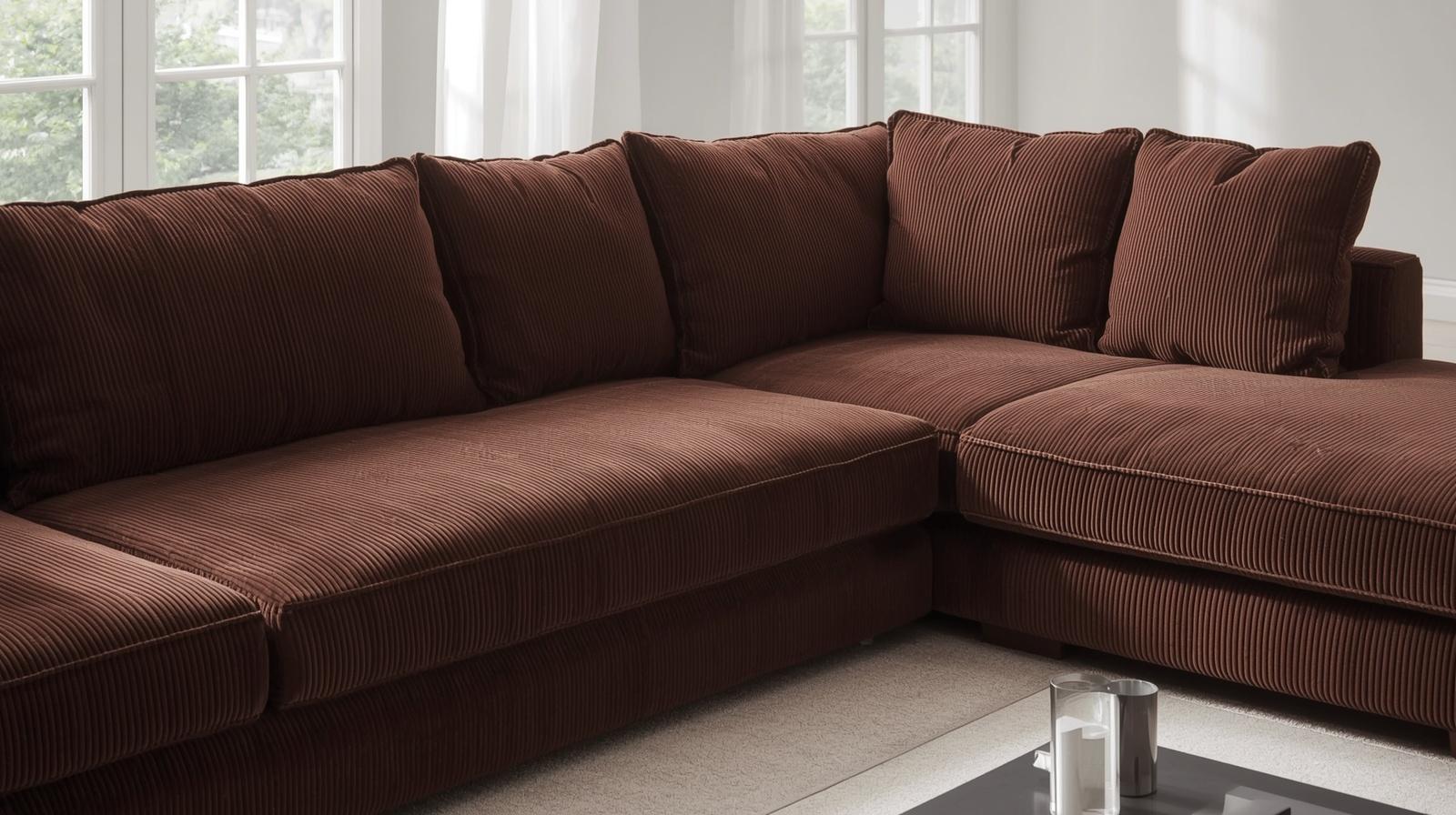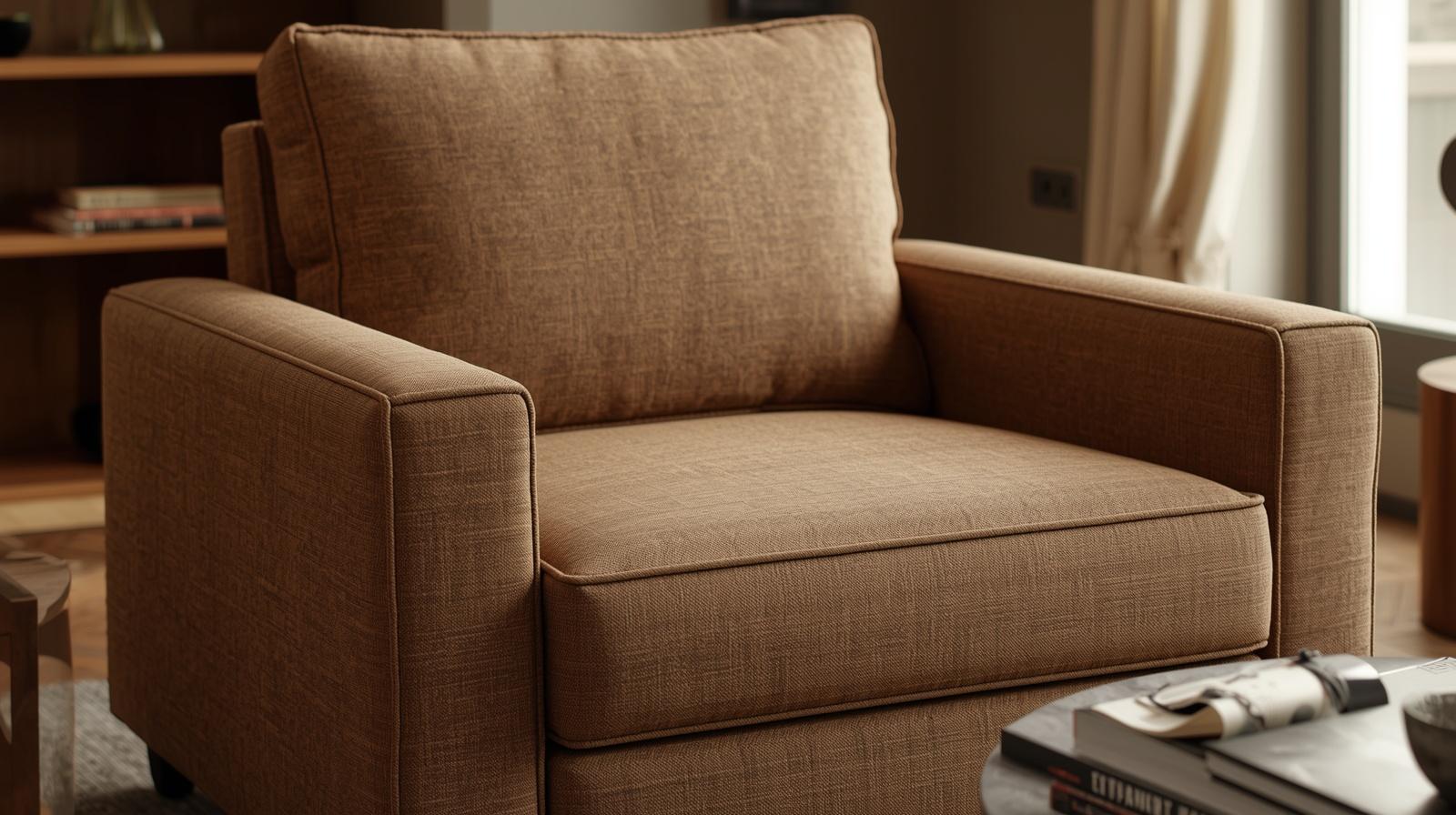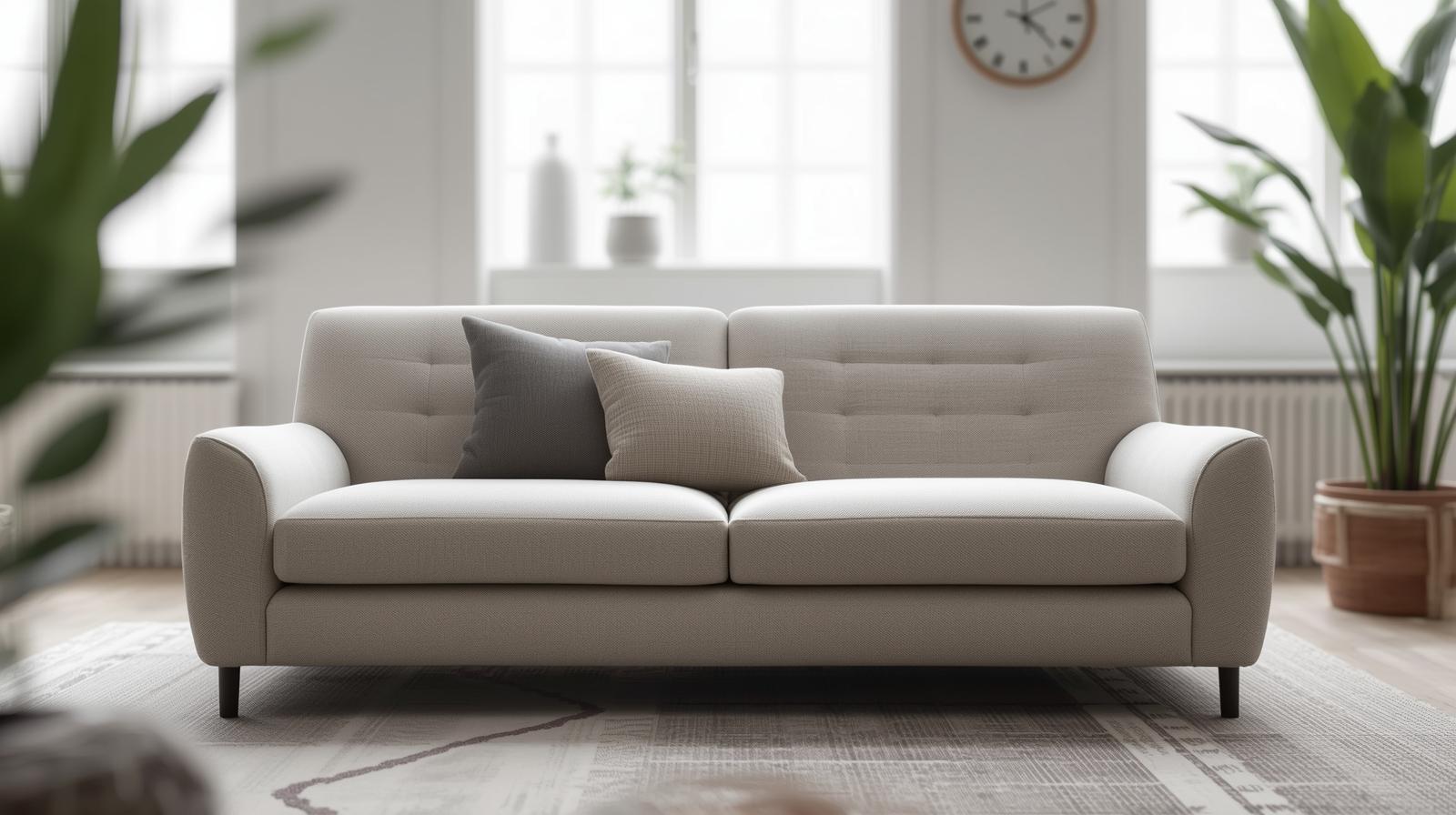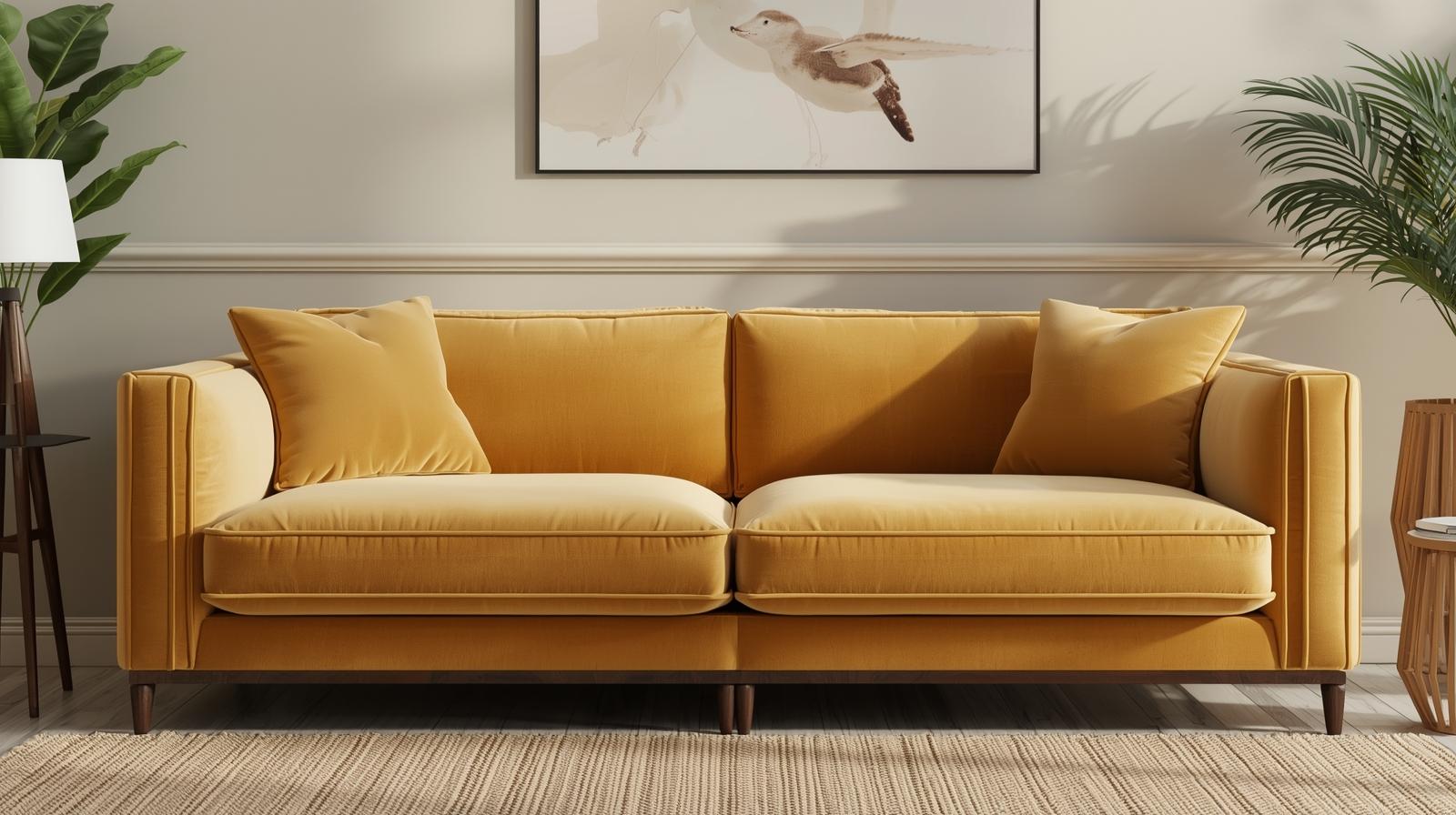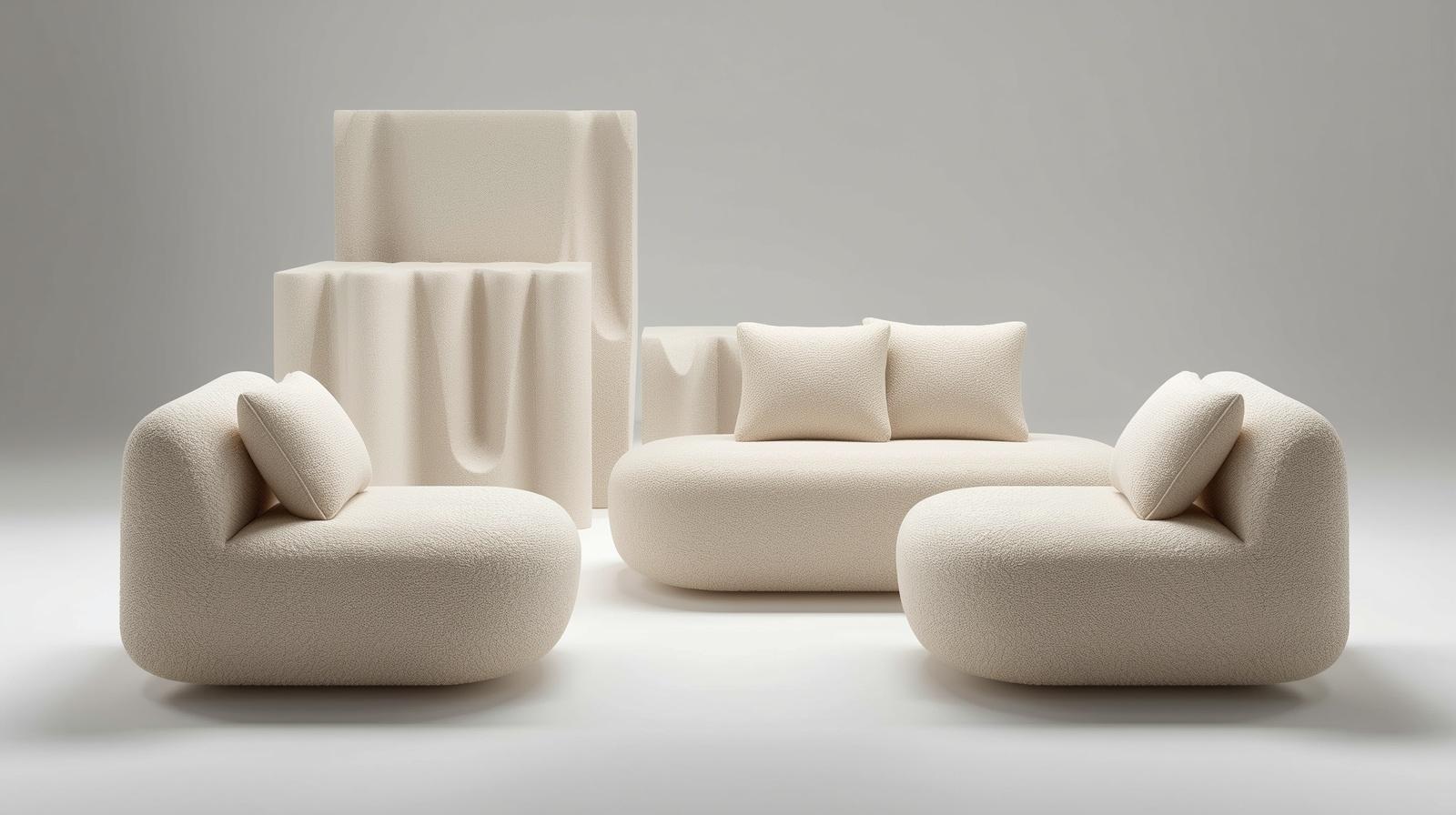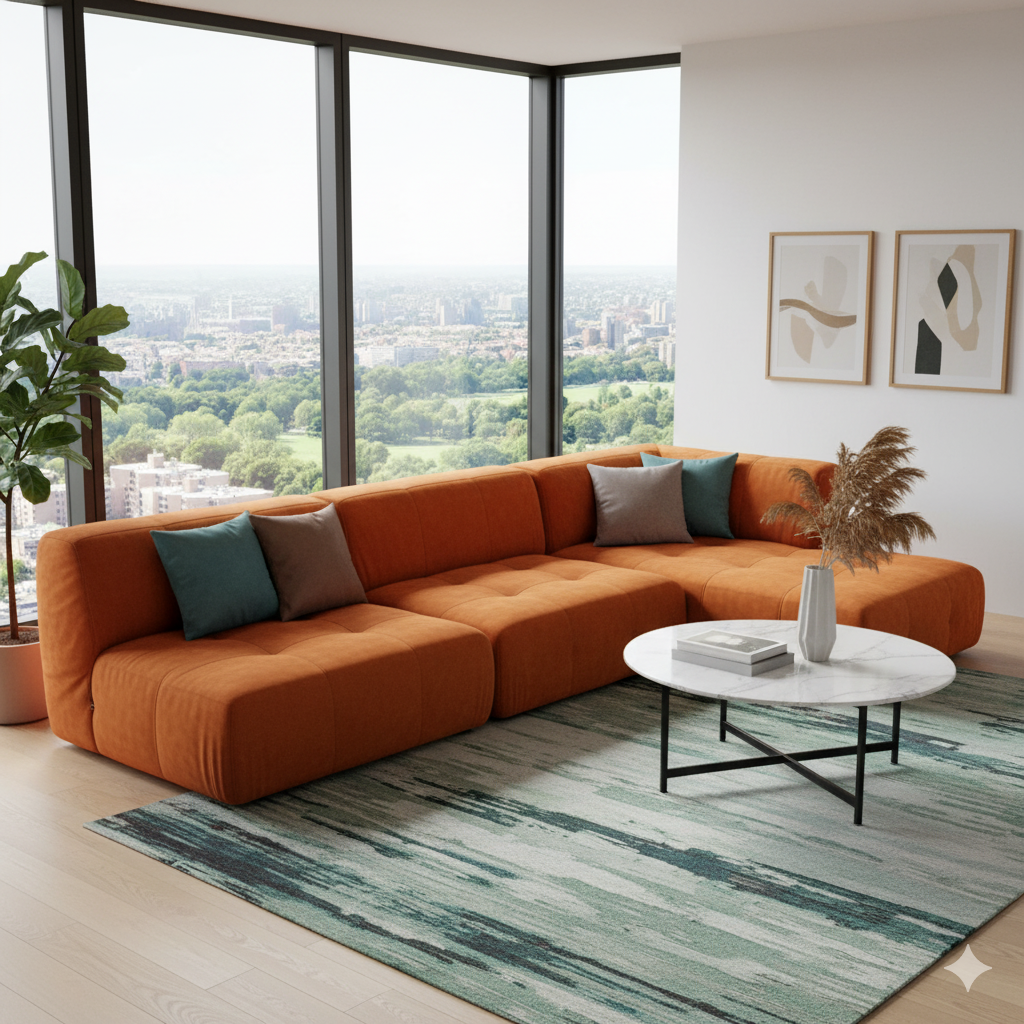
High Resilience Sofa Cushion Foam for Long-Term Seating Performance
In B2B sofa manufacturing, cushion performance defines how a product is judged long after delivery. Many sofas that pass factory inspection begin to receive complaints six to twelve months later, not because of fabric wear or frame failure, but due to cushions that lose rebound, sink unevenly, or feel permanently compressed. High resilience sofa cushion foam is developed to address these failures at material and structural level, ensuring seating comfort remains stable throughout the product’s lifecycle.
Seating Fatigue as a Predictable Design Challenge
Real-world seating conditions differ significantly from showroom testing. Cushions are exposed to repeated compression cycles, uneven body weight distribution, and prolonged static loads. Standard polyurethane foam gradually loses cell elasticity under these conditions, leading to slow rebound and permanent height loss.
A sofa built around high resilience sofa cushion foam treats seating fatigue as a predictable design input rather than a post-sale defect. The objective is not initial softness alone, but controlled energy return and shape recovery after thousands of compression cycles.
Material Generation: How High Resilience Foam Is Formulated
High resilience foam is not simply “denser foam.” Its performance is determined by how foam cells are formed, connected, and stabilized during production.
In practical manufacturing, high resilience sofa cushion foam is generated using modified polymer formulations that create more open and elastic cell structures. These cells compress under load but store mechanical energy efficiently, allowing faster and more complete rebound once pressure is released.
Key material targets in export-grade sofa cushions typically include:
-
rebound resilience above 90–95% under cyclic testing
-
compression set below 5% after prolonged static load
-
stable performance across temperature variations encountered during transport and storage
Foam that lacks these characteristics may feel acceptable initially but degrades rapidly in real use.
Foam Processing and Quality Control in Production
Material formulation alone is not sufficient. Processing parameters directly influence foam consistency and long-term performance.
During production, curing time, temperature control, and post-foaming stabilization are critical. Insufficient curing can lead to early fatigue, while excessive curing reduces elasticity. In professional B2B manufacturing, foam blocks are typically stabilized for defined periods before cutting and cushion assembly to ensure rebound behavior remains consistent across batches.
This controlled process is essential when high resilience sofa cushion foam is used in export or project-based production, where batch inconsistency quickly translates into uneven seating feel across delivered units.
Cushion Structure: Load Distribution Beyond the Foam
Foam performance cannot be isolated from cushion structure. Even the best foam will fail prematurely if load is concentrated in limited areas.
In high-quality sofa cushions, high resilience sofa cushion foam is often combined with layered construction, where elastic foam works together with support layers or base materials to distribute pressure evenly. This structure reduces peak stress zones and allows the foam to recover uniformly after use, preserving both comfort and visual appearance.
Long-Term Performance Comparison in B2B Use
| Performance Metric | Standard Cushion Foam | High Resilience Cushion Foam |
|---|---|---|
| Initial rebound rate | 80–85% | 93–97% |
| Recovery after 50,000 cycles | 65–70% | 90–93% |
| Long-term height loss (12 months) | 12–18% | <5% |
| Comfort-related complaint rate | 8–12% | 1–3% |
| Estimated replacement cycle | 3–4 years | 6–8 years |
These differences directly impact after-sales cost, brand reputation, and repeat order potential in B2B markets.
Commercial Impact: Cushion Performance as a Cost Factor
From a business perspective, cushion durability is not only a quality issue, but a cost driver. Sofas with low rebound cushions often require replacements, refunds, or discounts within the first year of use.
By specifying high resilience sofa cushion foam, buyers reduce lifecycle cost even if initial material cost is higher. Lower complaint rates, extended service life, and reduced replacement frequency lead to measurable savings across large-volume projects and long-term supply programs.
Production Execution in B2B Sofa Projects
In practical B2B manufacturing, high resilience sofa cushion foam is specified at project level rather than treated as a generic material. Cushion firmness, thickness, and rebound speed are adjusted according to sofa dimensions, seating depth, and target usage intensity.
Sample development usually requires one to two weeks for validation, while bulk production aligns with overall sofa manufacturing schedules, typically within 30 to 45 days. Customization may include foam density ranges, cushion layering structure, and packaging methods to ensure consistent performance during transport and storage.
Frequently Asked Buyer Questions
How does high resilience foam differ from standard high-density foam?
High resilience foam focuses on elastic recovery and energy return, not just density or hardness.
Will high resilience foam feel too firm for residential sofas?
No. When properly specified, it balances support and comfort by controlling compression response and rebound speed.
Is high resilience foam suitable for compressed or export sofas?
Yes. Its elastic structure makes it particularly suitable for sofas exposed to compression during shipping or storage.
Closing Perspective
High resilience sofa cushion foam is a foundational element in sofas designed for long-term performance rather than short-term comfort. For B2B buyers, cushion stability directly affects complaint rates, replacement cycles, and overall project profitability.
HomeZeno integrates high resilience foam selection, cushion structure design, and production control into a unified manufacturing approach. By aligning material behavior with real usage conditions, HomeZeno supports B2B partners in delivering sofas that maintain comfort and shape well beyond initial delivery. To explore sofa and cushion solutions, visit
https://www.homezeno.com/en/products
or contact the HomeZeno team at
https://www.homezeno.com/contact-us
to discuss specifications, customization, and long-term supply planning.