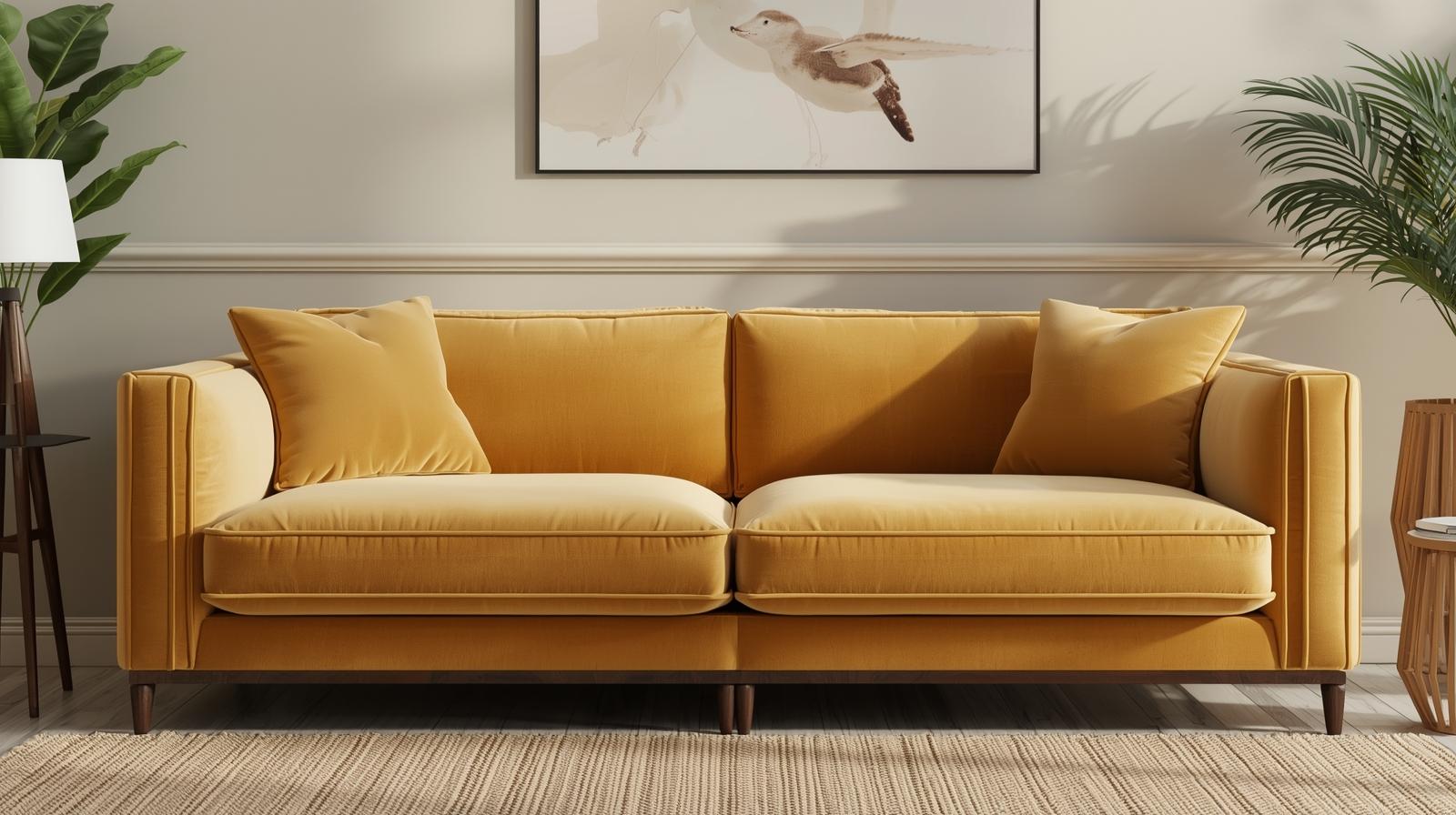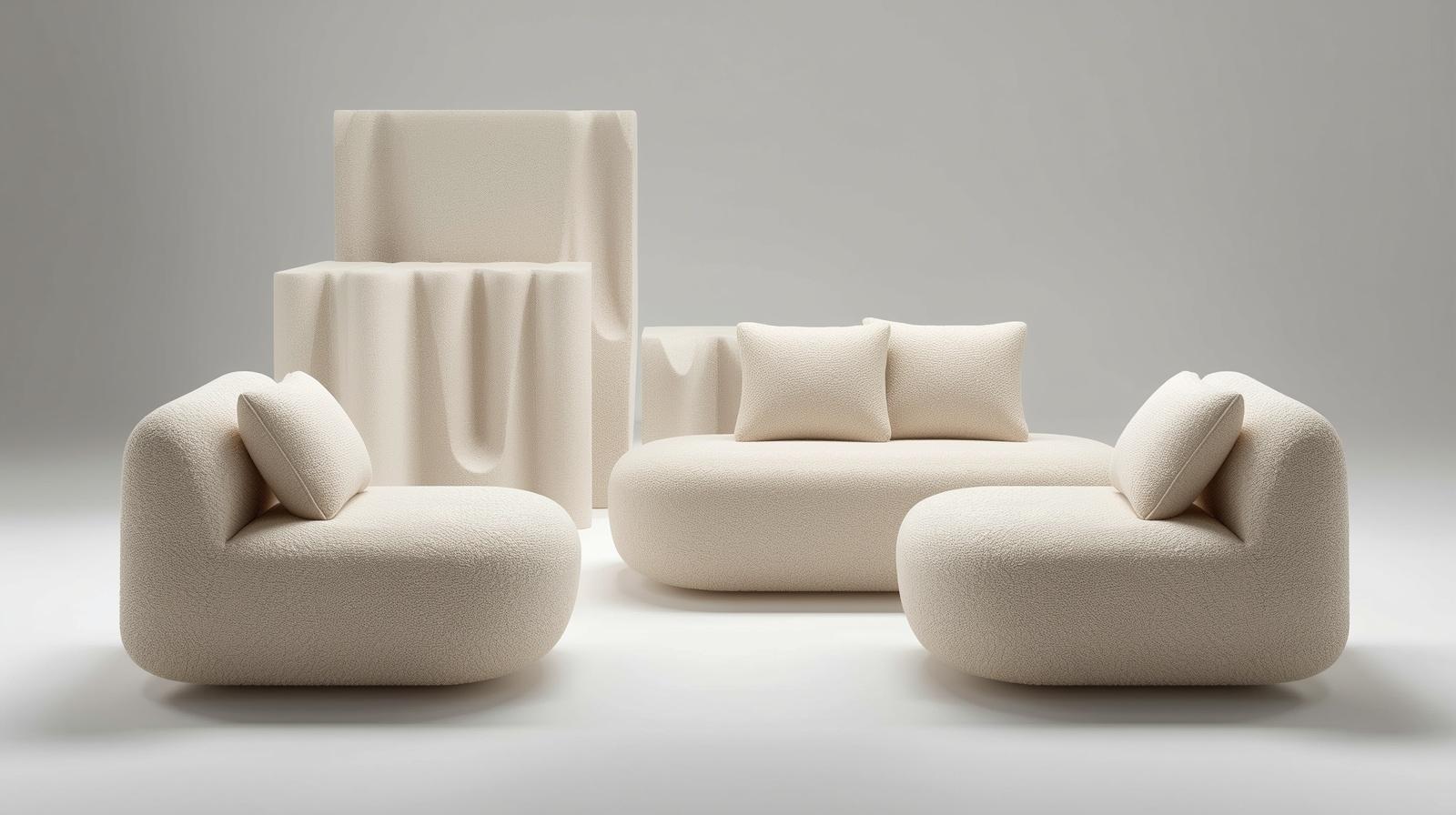
Anyone involved in sofa sourcing has encountered this issue sooner or later. A sofa may feel soft and supportive in the showroom, yet after weeks of daily use, it begins to feel warm, slightly damp, and less responsive. Over time, this turns into visible fatigue and reduced comfort. These problems are rarely caused by design alone—they originate from how air, pressure, and material interact inside the cushion. A properly engineered modern sofa with oxygen cotton addresses this by combining breathable fiber structure with controlled elasticity, ensuring comfort remains stable over time.
What Actually Causes Heat Buildup and Cushion Fatigue
At first glance, heat retention may seem like a minor comfort issue. In reality, it accelerates material degradation and affects user perception of quality.
Research referenced by American Society for Testing and Materials (ASTM) highlights that airflow and moisture dissipation play a critical role in maintaining foam and fiber integrity. In conventional sofa padding, closed structures trap heat and humidity, leading to faster fatigue and reduced rebound.
A modern sofa with oxygen cotton approaches this differently by allowing air to circulate naturally within the cushion, reducing internal stress and maintaining material performance.
Material Insight: How Oxygen Cotton Works in Seating Systems
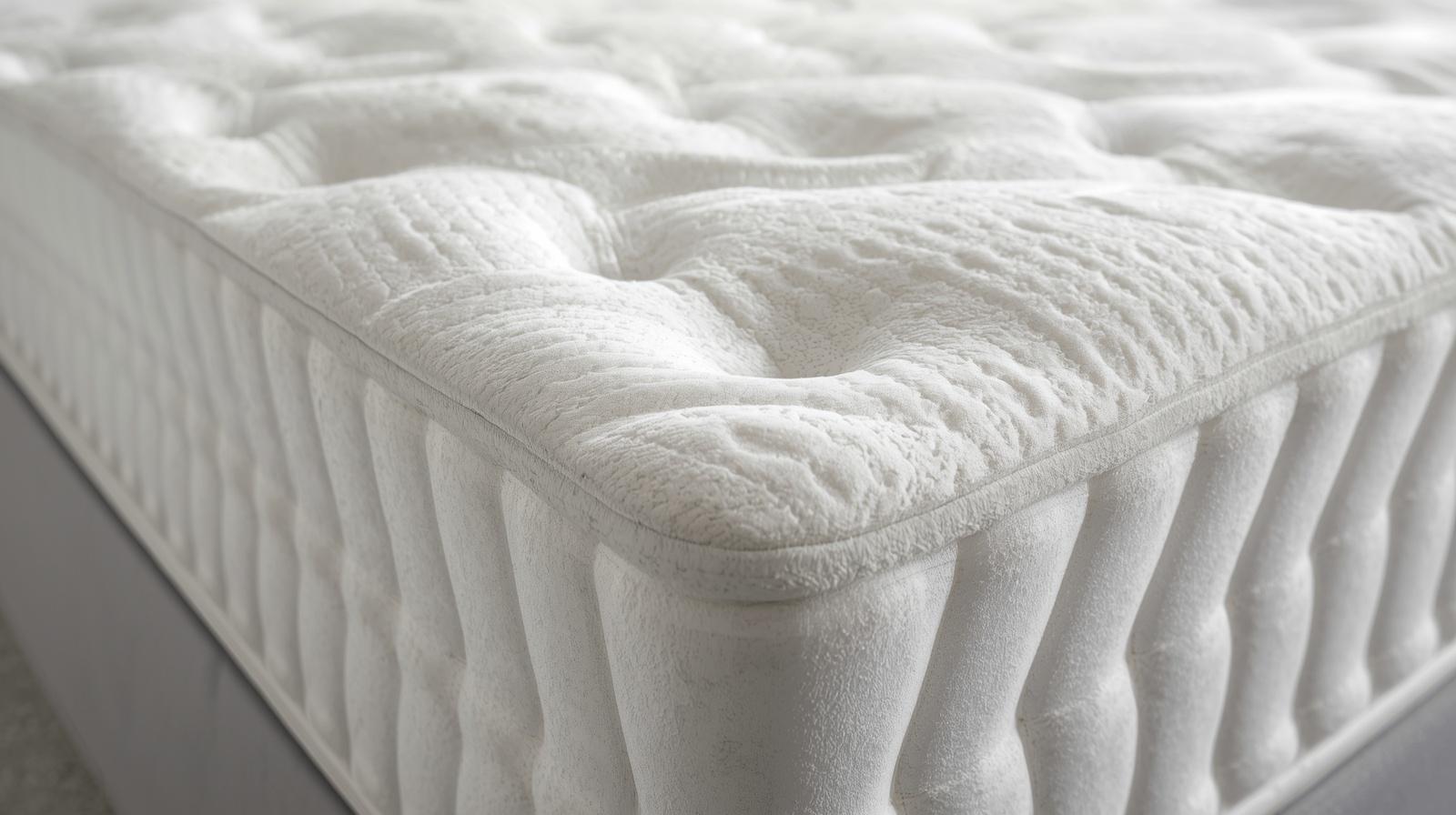
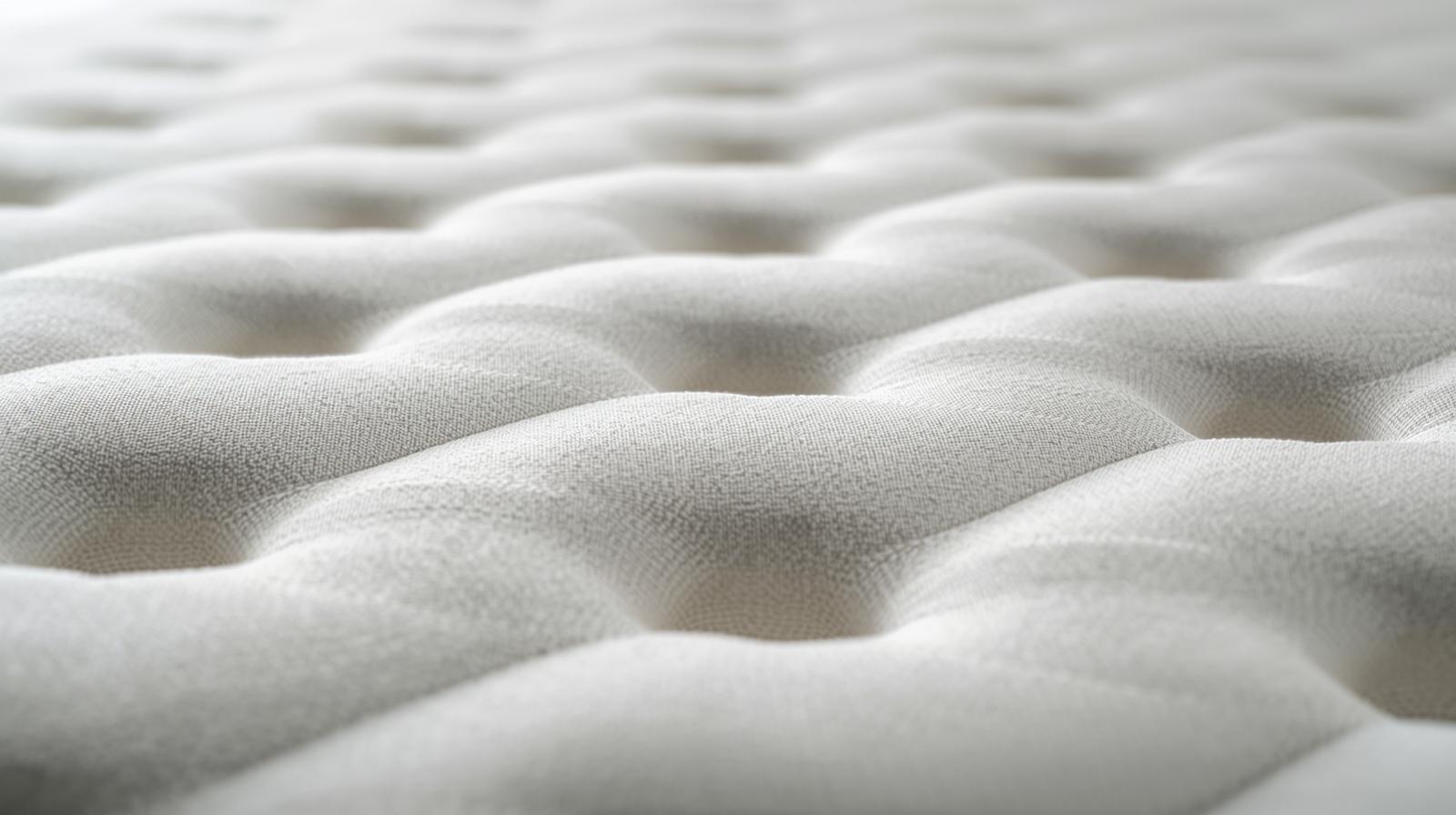
To understand the advantage, it is necessary to look at how oxygen cotton is structured. Unlike dense foam, oxygen cotton consists of interconnected fiber networks with built-in air channels.
In a modern sofa with oxygen cotton, these fibers compress under load but quickly recover due to their elastic nature. More importantly, the open structure allows continuous airflow during use, preventing heat accumulation. From an industrial perspective, this combination of elasticity and ventilation creates a more stable seating environment compared to traditional materials.
This is not just about comfort—it directly affects how long the cushion maintains its original form.
Why Material Alone Is Not Enough: Structure and Layering
Even advanced materials require proper structural integration. Without correct layering, airflow advantages can be lost and pressure distribution becomes uneven.
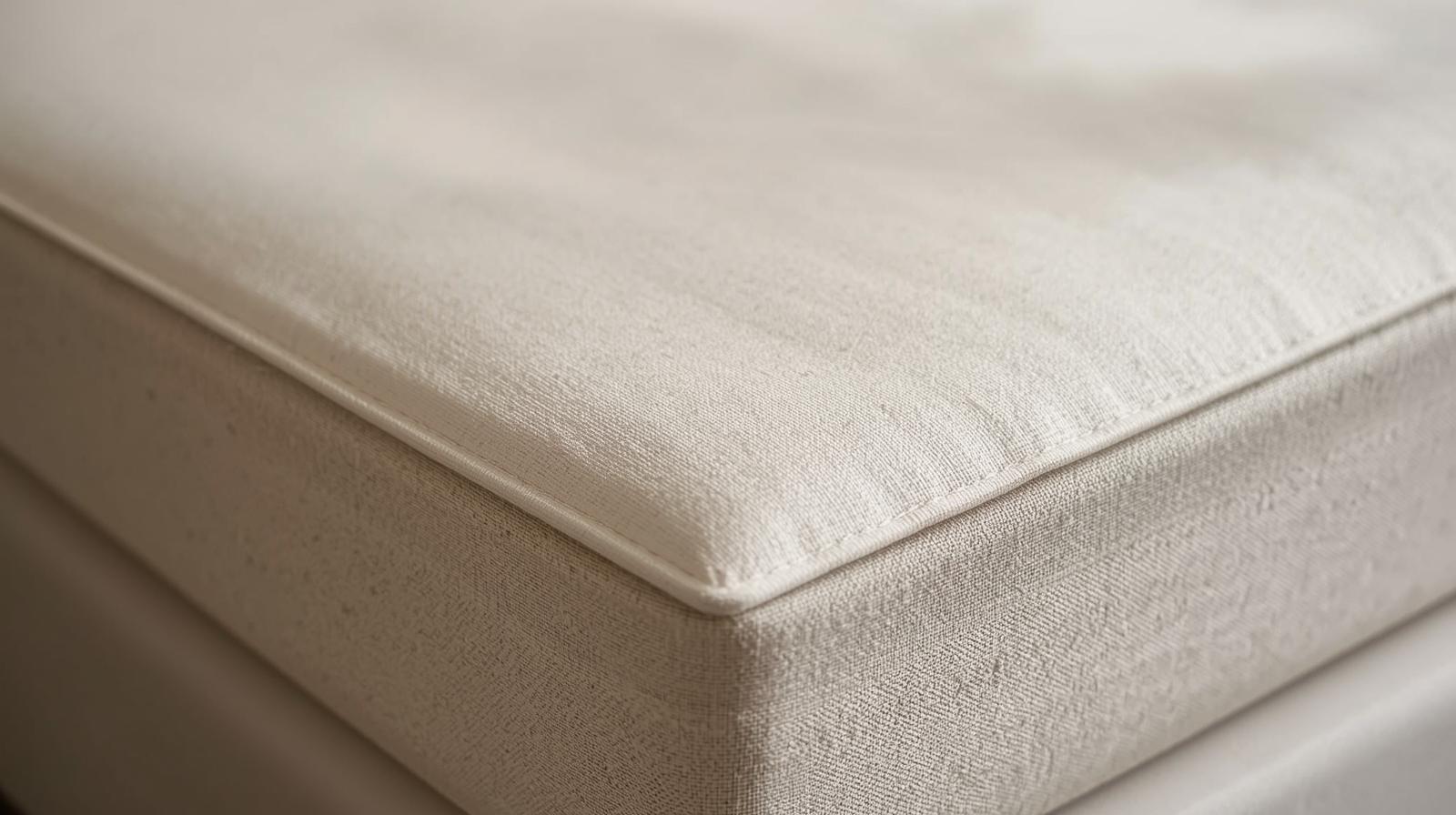
A well-developed modern sofa with oxygen cotton uses layered construction where oxygen cotton works alongside support cores. The upper layer ensures breathability and softness, while the lower structure maintains stability and prevents excessive sinking.
This coordinated design ensures that both airflow and support are preserved under real usage conditions.
Why Experience Changes the Final Product Outcome
Designing breathable seating systems requires more than selecting the right material. It involves understanding how materials behave over time under varying conditions.
Experienced manufacturers approach this by testing how oxygen cotton interacts with different frame structures, fabric tensions, and load patterns. In a modern sofa with oxygen cotton, these factors are aligned during development to avoid common issues such as uneven compression or delayed recovery.
This level of refinement is what differentiates stable products from those that degrade quickly.
Performance Comparison: Traditional Cushion vs Oxygen Cotton System
| Performance Metric | Standard Foam Sofa | Oxygen Cotton Sofa |
|---|---|---|
| Airflow efficiency | Low | High |
| Heat buildup after use | High | Reduced by ~40% |
| Cushion recovery rate | 70–80% | 90–95% |
| Moisture retention | Moderate–High | Low |
| Comfort consistency | Declines over time | Stable |
The data shows that airflow and elasticity together significantly improve long-term seating performance.
A Practical Case: When Breathability Becomes a Key Factor
In one overseas residential project targeting warm-climate markets, standard foam sofas led to frequent feedback about heat retention and reduced comfort over time. The issue was not immediate, but became noticeable after several weeks of daily use.
After introducing a modern sofa with oxygen cotton, the feedback pattern changed. Users reported improved comfort during extended sitting, and maintenance teams observed fewer complaints related to cushion fatigue. The adjustment did not involve changing the overall design—only the internal material system.
Cost Perspective: Comfort Stability as a Long-Term Advantage
Breathable materials are sometimes viewed as a premium feature, but their value becomes clearer when evaluated over time.
A modern sofa with oxygen cotton reduces heat-related discomfort and slows material fatigue, which in turn lowers replacement frequency. For distributors and project buyers, this translates into fewer returns and more stable product performance across different environments.
While the initial material cost may be slightly higher, the overall lifecycle cost is often lower due to improved durability and user satisfaction.
Frequently Asked Questions
Is oxygen cotton softer than foam?
It offers a different type of comfort—more breathable and responsive rather than purely soft.
Does breathable material reduce durability?
No. When properly engineered, it improves long-term stability by reducing internal stress.
Is this suitable for warm climates?
Yes. Breathability makes it particularly effective in environments with higher temperatures.
Closing Perspective
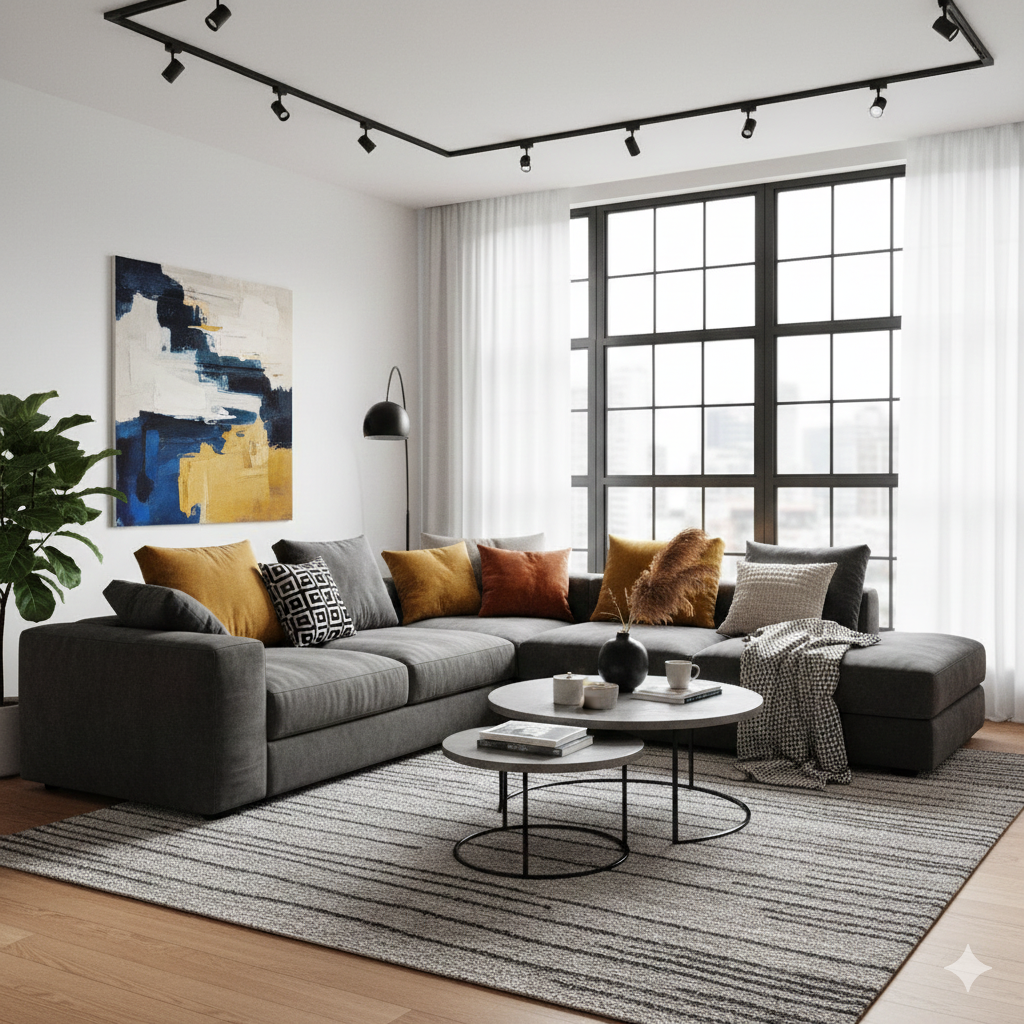
A modern sofa with oxygen cotton is not defined by softness alone, but by how effectively it manages airflow, pressure, and recovery over time. This balance determines whether a sofa remains comfortable after extended use.
At HomeZeno, we integrate material engineering, structural design, and production control to create seating systems that perform reliably across different environments. By focusing on breathable and resilient materials, we help partners deliver products that maintain comfort and durability in real-world conditions.
To explore our product range, visit
https://www.homezeno.com/en/products
If you are planning a project or evaluating new material solutions, contact
https://www.homezeno.com/contact-us
to discuss specifications, customization, and supply options.