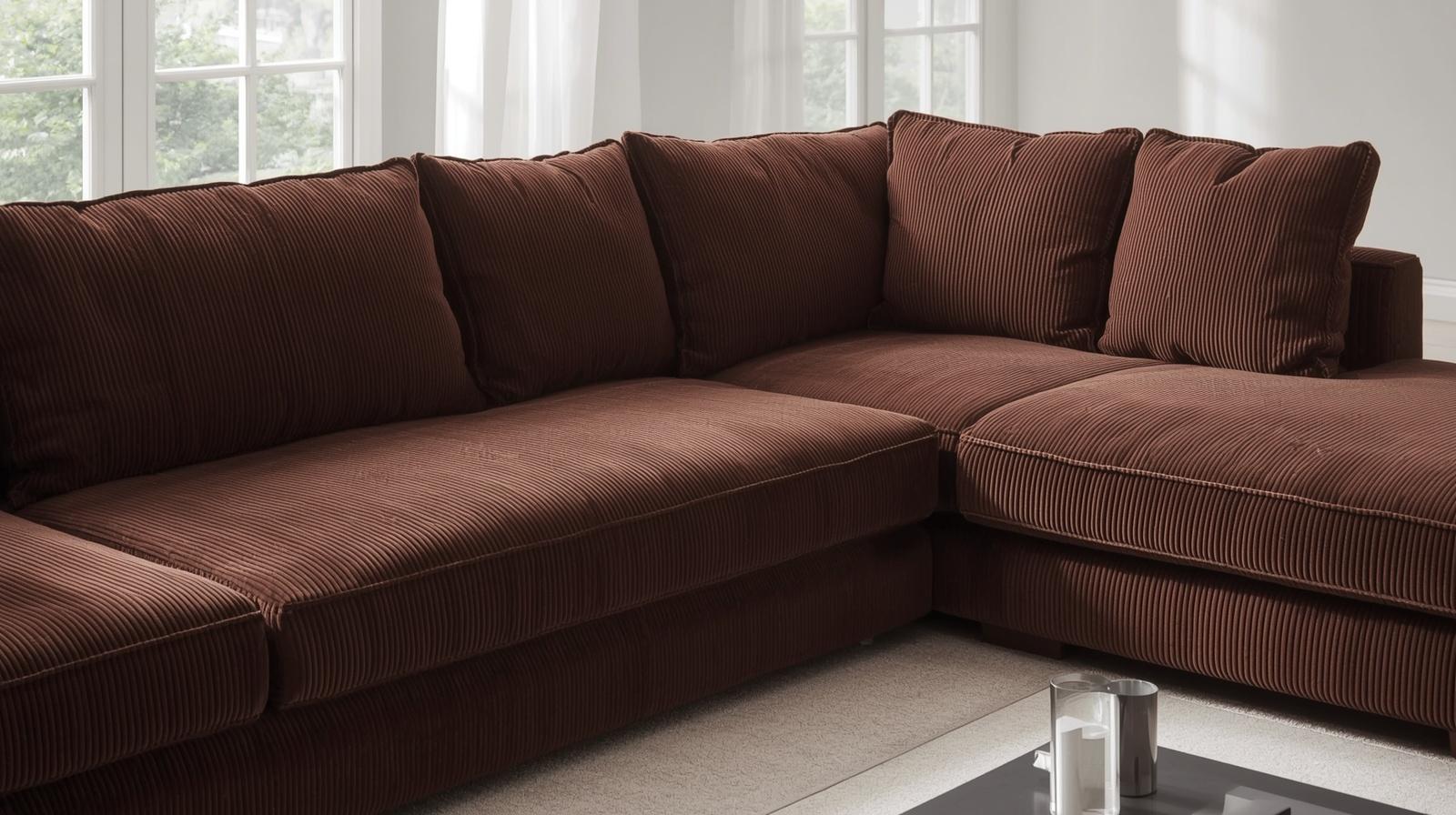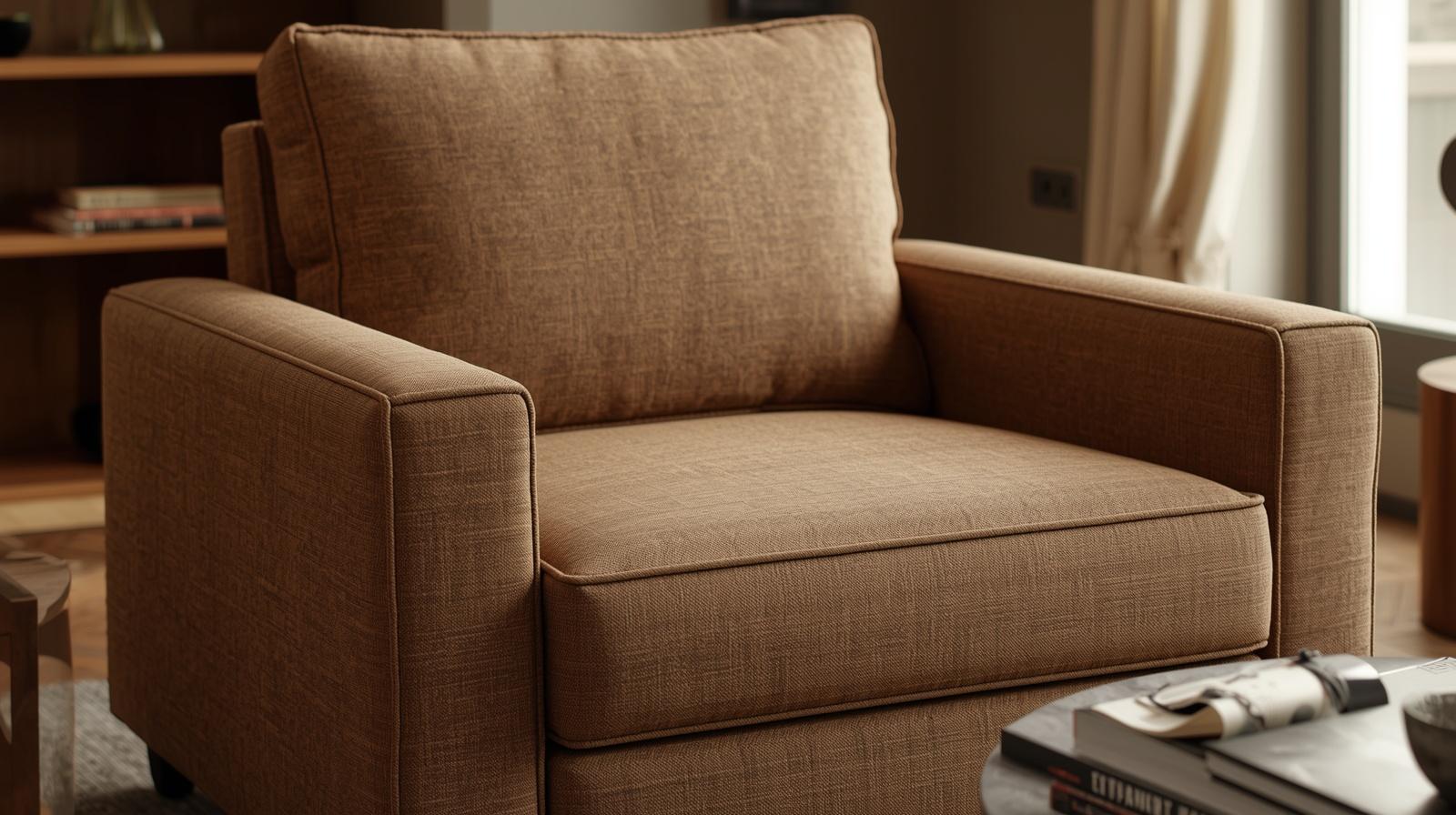
Warehouse Ready Compressed Sofa for Efficient B2B Distribution
In many export and wholesale projects, the real quality challenge does not appear during shipping, but during storage. After arrival, sofas may remain compressed in warehouses for weeks or even months before final distribution. A Warehouse Ready Compressed Sofa is developed specifically for this stage, where prolonged static load, stacking pressure, and repeated handling can easily compromise comfort and structural integrity.
Warehouse Storage as a Real Stress Scenario
Unlike direct-to-consumer shipments, B2B sofas often pass through regional warehouses, cross-docking facilities, and distribution centers. During this period, compressed cartons are stacked, moved by forklifts, and exposed to varying temperatures. Foam that performs well immediately after compression may slowly lose elasticity when stored under constant pressure.
A Warehouse Ready Compressed Sofa treats warehouse storage as a core design condition rather than an afterthought. The product is engineered to remain stable even when unpacking is delayed, ensuring consistent seating performance once it reaches the final customer.
Material Behavior Under Long-Term Static Load
From a material standpoint, warehouse readiness depends heavily on how foam responds to long-duration compression rather than short transport cycles. Medium-to-high density foam is selected not only for support, but for elastic recovery after extended static load.
In a Warehouse Ready Compressed Sofa, foam performance is evaluated based on recovery rates measured after 7–14 days of simulated storage compression. In practical production, recovery rates of approximately 90–95 percent after 72 hours are targeted, while permanent deformation is controlled below 5 percent. This ensures that delayed unpacking does not translate into permanent comfort loss.
Structural Design for Stacking and Handling
Warehouse environments introduce vertical pressure from stacking and lateral stress from repeated handling. To manage this, structure plays a critical role.
A Warehouse Ready Compressed Sofa integrates reinforced base platforms and balanced internal load paths so that stacking pressure is absorbed by structural components rather than concentrated in the foam core. This design allows cartons to remain stable during storage and ensures uniform recovery after unpacking, even when products have been stacked for extended periods.
Compression Strategy Optimized for Storage Stability
Compression parameters for warehouse-ready products differ from those optimized solely for transport. Instead of maximizing volume reduction, compression is calibrated to balance space efficiency with long-term material stability.
For warehouse-oriented distribution, compression ratios are typically controlled within the 40–45 percent range. Increasing compression beyond this level may reduce carton size slightly, but it significantly increases the risk of delayed recovery and uneven seating response after storage.
Performance Comparison After Warehouse Storage
| Performance Metric | Standard Compressed Sofa | Warehouse Ready Compressed Sofa |
|---|---|---|
| Volume reduction | 50–60% | 40–45% |
| Foam recovery after 72 hours | 70–80% | 90–95% |
| Permanent deformation risk | 10–18% | <5% |
| Storage-related complaint rate | 8–12% | 1–3% |
| Carton stacking stability | Moderate | High |
The data shows that warehouse-ready designs prioritize post-storage performance, reducing downstream quality issues and operational risk.
Production and Distribution Execution in B2B Supply Chains
In real B2B distribution models, a Warehouse Ready Compressed Sofa is produced under project-based terms aligned with warehouse logistics. Minimum order quantities are defined by configuration and packaging format, while sample development typically takes one to two weeks. Bulk production lead times commonly range from 30 to 45 days, depending on customization scope.
Customization may involve foam rebound specifications, structural reinforcement, carton strength, and compression packaging methods to ensure compatibility with warehouse storage and regional distribution systems.
Frequently Asked Buyer Questions
Why do some compressed sofas feel different after warehouse storage?
Because prolonged static load affects foam elasticity differently than short transport compression, especially when structure is insufficient.
Can compressed sofas be stored for long periods without quality loss?
Yes, when foam recovery behavior and structural load distribution are designed specifically for warehouse conditions.
Is warehouse-ready design relevant for both wholesale and project buyers?
Yes. Any supply chain involving delayed unpacking, regional storage, or staged delivery benefits from warehouse-ready compressed sofa design.
Closing Perspective
A Warehouse Ready Compressed Sofa is defined by how reliably it performs after storage, not just after shipping. For B2B buyers, warehouse stability directly affects complaint rates, return costs, and brand reputation.
HomeZeno focuses on compressed sofa solutions that remain stable throughout transport, storage, and distribution. By aligning foam behavior, structural reinforcement, and controlled compression, HomeZeno supports B2B partners with products that are ready for real warehouse conditions, not just ideal delivery scenarios. To explore available compressed sofa solutions, visit
https://www.homezeno.com/en/products
or contact HomeZeno at
https://www.homezeno.com/contact-us
to discuss warehouse-oriented specifications, customization, and distribution requirements.