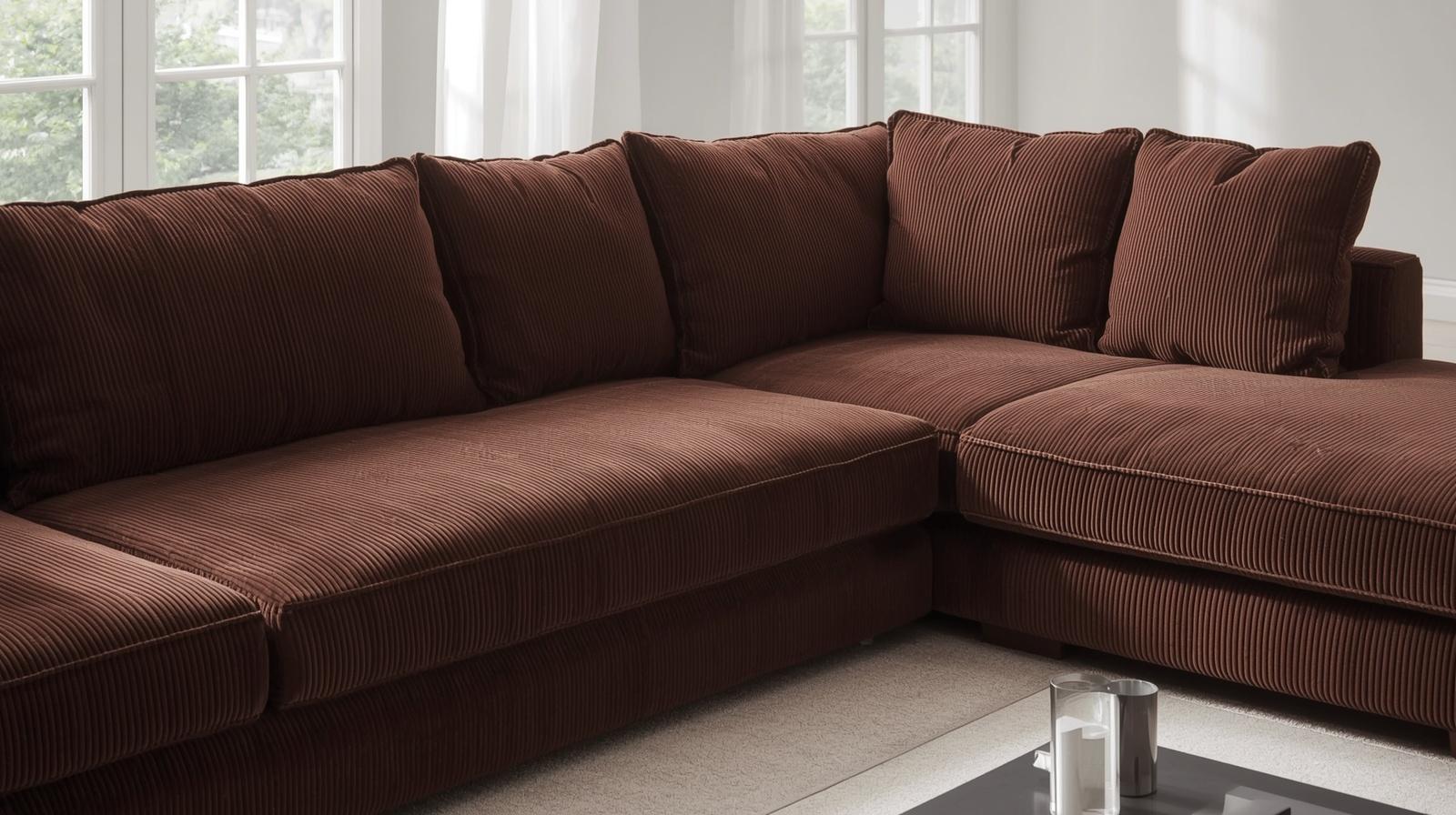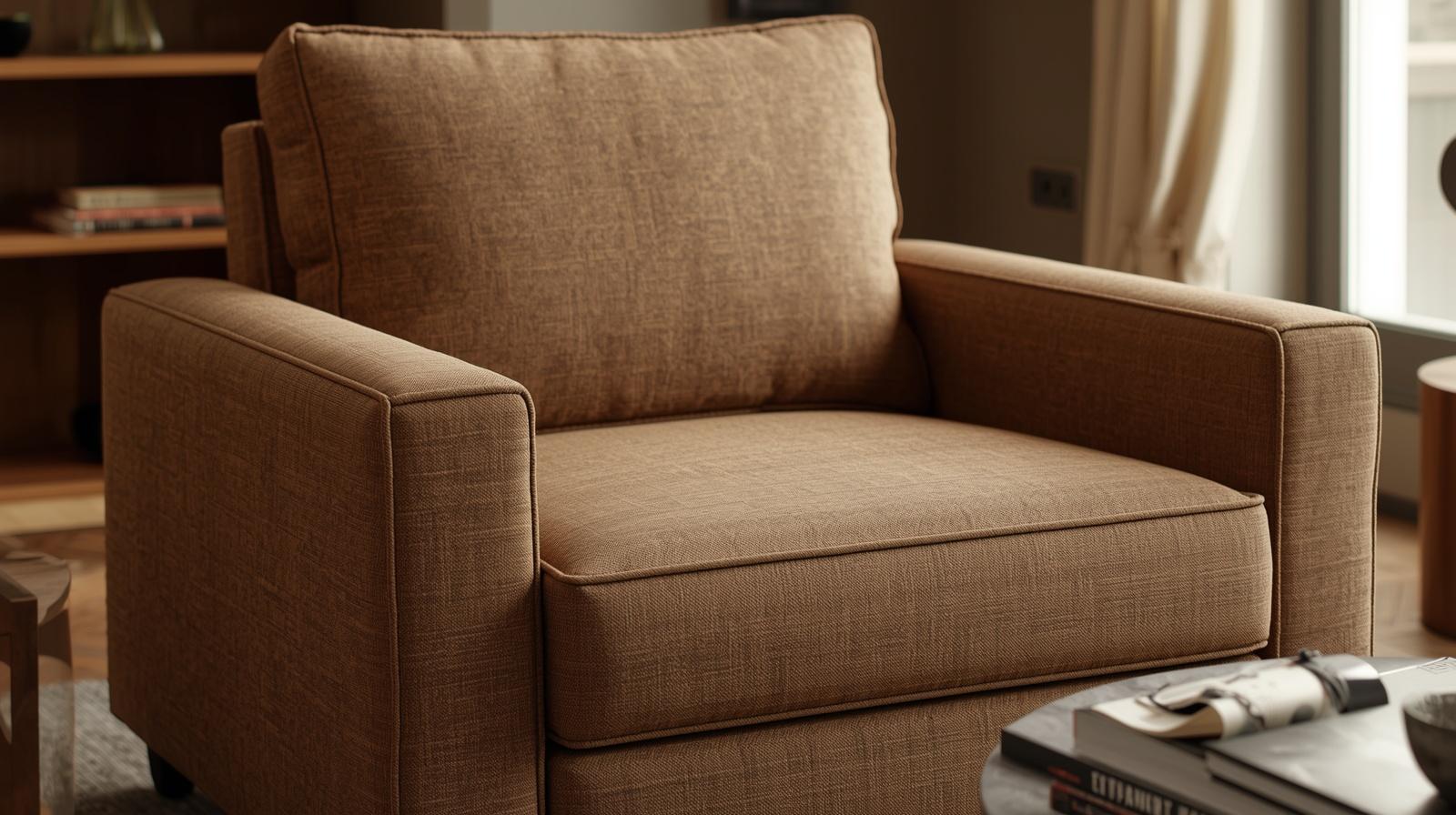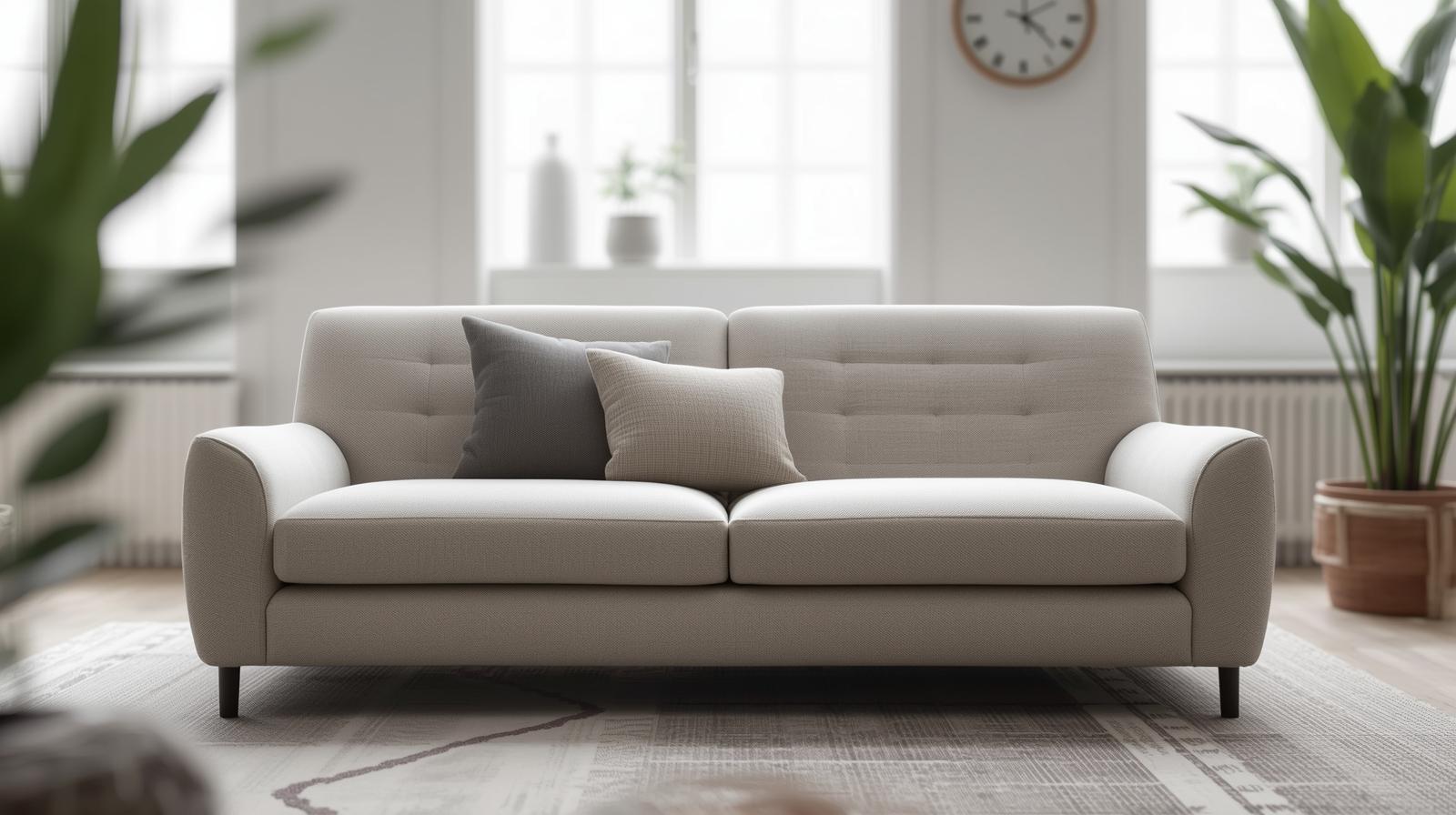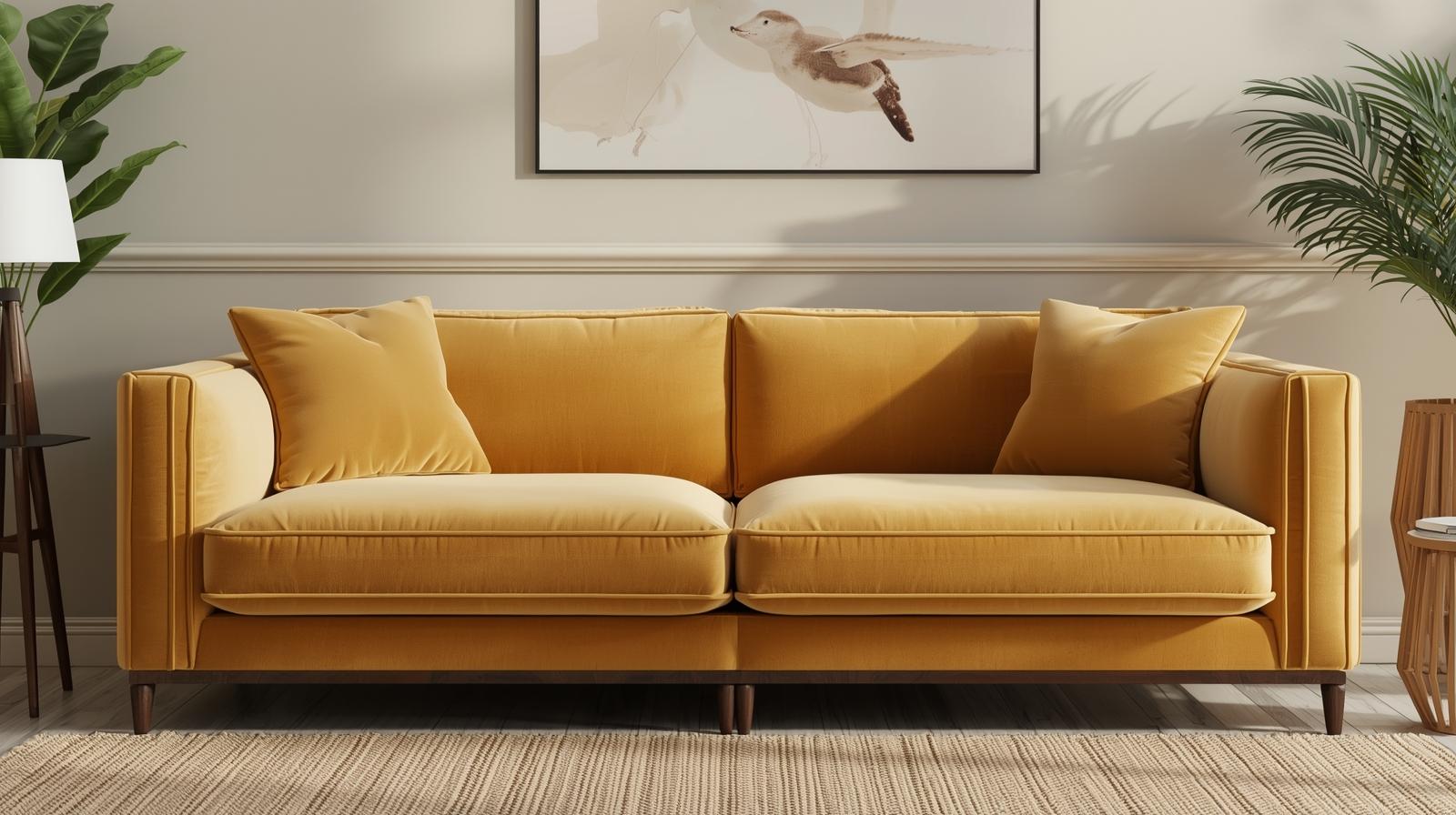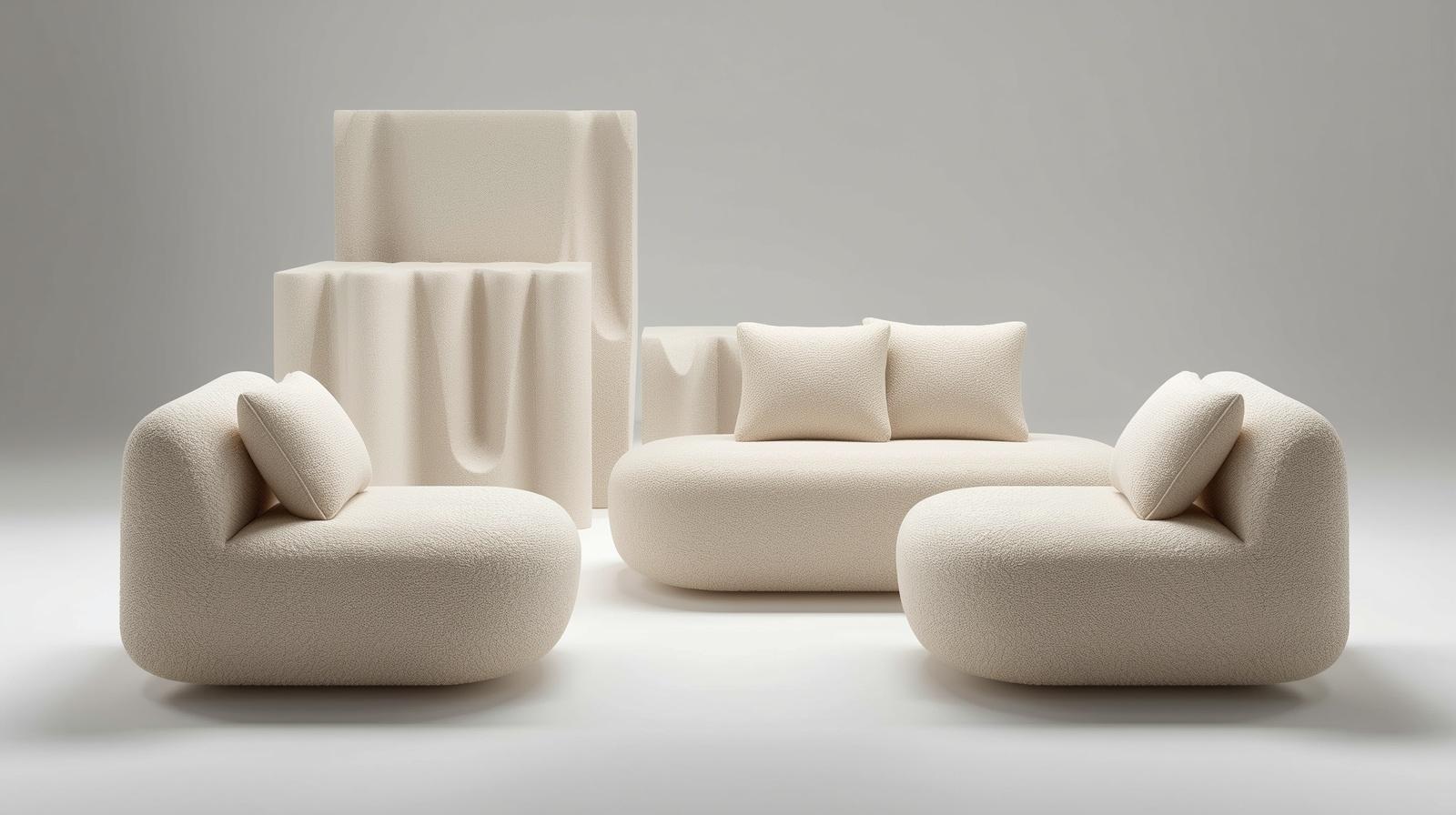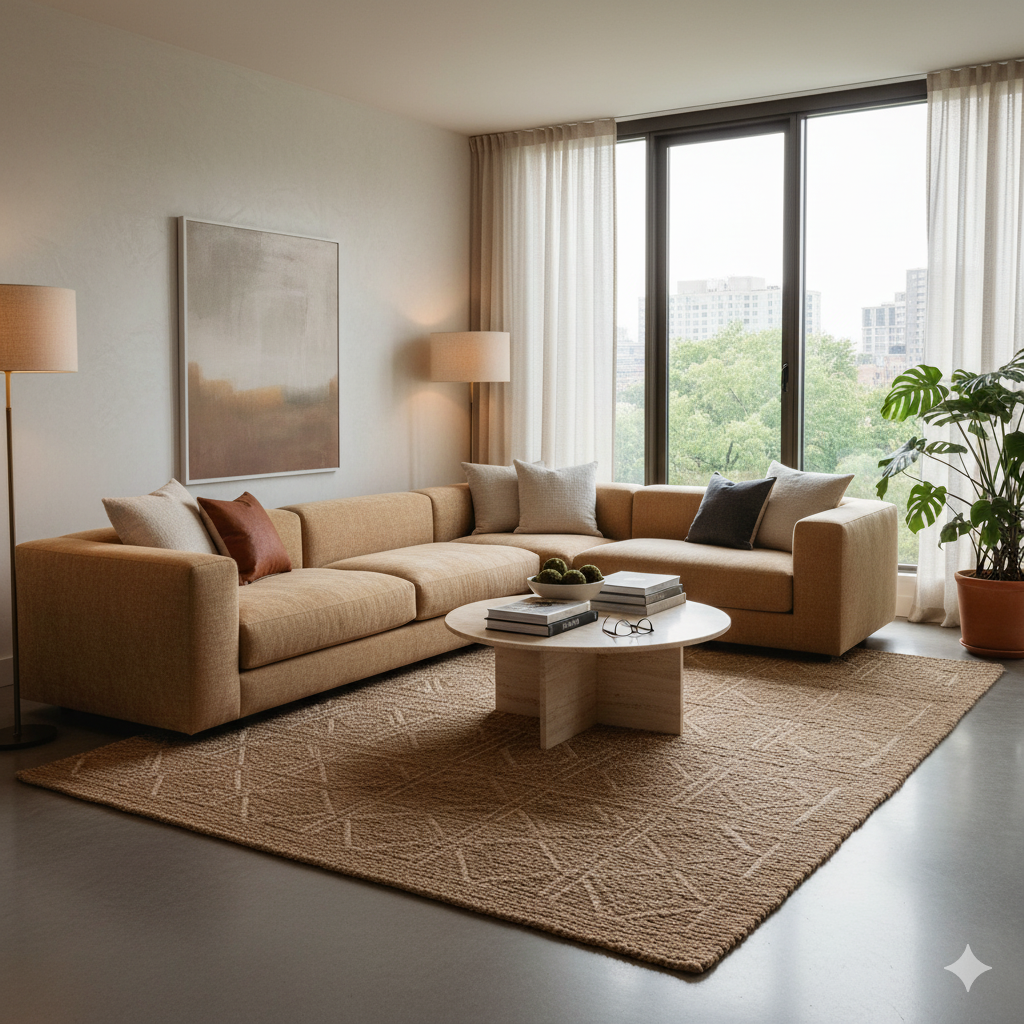
Custom Memory Foam Sofa Supplier: Engineering Personalized Comfort for Modern Living
Industry Pain Point: Comfort Without Compromise
In the competitive global furniture market, customers demand sofas that adapt to body contours, maintain consistent support, and resist deformation over time. Yet many conventional foam sofas flatten after months of use, leading to discomfort, back strain, and premature product replacement.
At the supplier level, another challenge arises—balancing comfort customization and shipping practicality. Traditional sofas occupy large volumes, increasing freight costs and limiting export scalability.
How Memory Foam Works: The Science of Adaptive Comfort
Memory foam, also known as viscoelastic polyurethane foam, was originally developed for NASA’s aerospace applications. Its defining characteristic is its ability to respond to heat and pressure, molding precisely to the user’s body and evenly distributing weight.
Technical Mechanism
-
Viscoelastic Response: Adjusts firmness dynamically based on pressure and temperature.
-
Density Range: 40–60 kg/m³, balancing softness and resilience.
-
Elastic Recovery: 95% rebound within seconds after pressure release.
-
Temperature Adaptability: Performs consistently from 15°C to 35°C.
This adaptive material provides uniform pressure relief, ensuring superior ergonomic comfort and spinal alignment over long periods of sitting.
Standard Foam vs. Memory Foam Sofas
| Feature | Standard Foam Sofa | Memory Foam Sofa |
|---|---|---|
| Support Response | Static | Adaptive |
| Pressure Relief | Limited | Excellent |
| Lifespan | 2–3 years | 6–8 years |
| Comfort Level | Generic | Personalized |
| Compression Resistance | Moderate | High recovery |
| Export Feasibility | Good | Excellent (post-compression recovery) |
Unlike traditional foam, memory foam retains shape and firmness even after extended use—ideal for high-end OEM furniture and export-ready sofa systems.
Customization and Compression Integration
Leading suppliers like Homezeno have developed a dual-optimization system for memory foam sofa manufacturing:
-
Custom Foam Density Engineering
Each project begins with density calibration between 40D–55D, tailored to regional climate, usage pattern, and comfort preferences. -
Modular Sofa Design
Modular construction allows individual foam blocks to compress evenly and recover efficiently after shipping. -
Compression & Vacuum Packaging
Memory foam sofas undergo compression to 60–70% of original volume, enabling up to 50% freight cost reduction without deformation or structural compromise.
Through this integrated approach, Homezeno ensures personalized comfort with industrial-scale export efficiency.
Core Advantages and Value
1. Adaptive Ergonomics
Each sofa adjusts dynamically to pressure points, offering balanced support and reduced fatigue.
2. Extended Product Lifespan
High-density viscoelastic foam resists sagging and surface cracking, ensuring long-term shape retention.
3. Export Efficiency
Vacuum compression allows container optimization, reducing shipping costs for bulk buyers.
4. Full Customization Capability
Suppliers can modify density, layer thickness, fabric texture, and modular configurations per client specification.
5. Compliance and Safety
Homezeno’s foam materials meet REACH, ISO9001, and EN12520 standards for durability, flammability, and environmental safety.
Industry Applications and Use Cases
| Sector | Application | Benefit |
|---|---|---|
| Luxury Apartments | Living room furniture | Personalized comfort and elegant aesthetics |
| Hotels & Resorts | Guest suites and lounges | Long-lasting structure and ergonomic support |
| Office Lounges | Waiting or meeting zones | Fatigue reduction and consistent seating posture |
| Real Estate Developers | Model homes | Easy installation via compression packaging |
| Retail & E-commerce | Global sales distribution | Fast recovery after long-distance shipping |
The adaptability of memory foam makes it a top choice for premium commercial and residential projects, ensuring both comfort and operational efficiency.
Selection Guide: Choosing the Right Custom Memory Foam Sofa
When sourcing from a custom memory foam sofa supplier, consider the following factors:
-
Density: 40D for softer seating, 50D for balance, 55D+ for firm support.
-
Foam Layering: Multi-density layers combine support with cushioning.
-
Climate Adaptation: Closed-cell top layer for humid regions.
-
Cover Options: Breathable fabrics for warm climates, velvet or leather for luxury projects.
-
Compression Ratio: 1:4–1:6 depending on shipment size.
Homezeno recommends density pairing (top soft layer + base firm layer) for balanced comfort and easy decompression after transit.
Common Buyer Questions
Q1: Does memory foam lose firmness over time?
A1: High-density memory foam retains structural integrity for over 6 years, far exceeding standard foam performance.
Q2: Can compression affect foam recovery?
A2: No. Properly treated viscoelastic foam fully regains its shape within 24 hours post-unpacking.
Q3: What customization options are available?
A3: Density, firmness level, dimensions, fabric material, and packaging format can all be customized.
Q4: What’s the MOQ for custom orders?
A4: Typically 50–100 units per configuration, depending on design complexity.
Shaping the Future of Comfort with Homezeno
As a leading custom memory foam sofa supplier, Homezeno brings together precision foam chemistry, ergonomic design, and compression logistics to redefine comfort in modern living.
Each sofa is not just manufactured—it’s engineered to perform, balancing personalization, durability, and sustainability.
To explore tailored sofa designs or OEM cooperation opportunities, please visit our Products page or Contact Us.