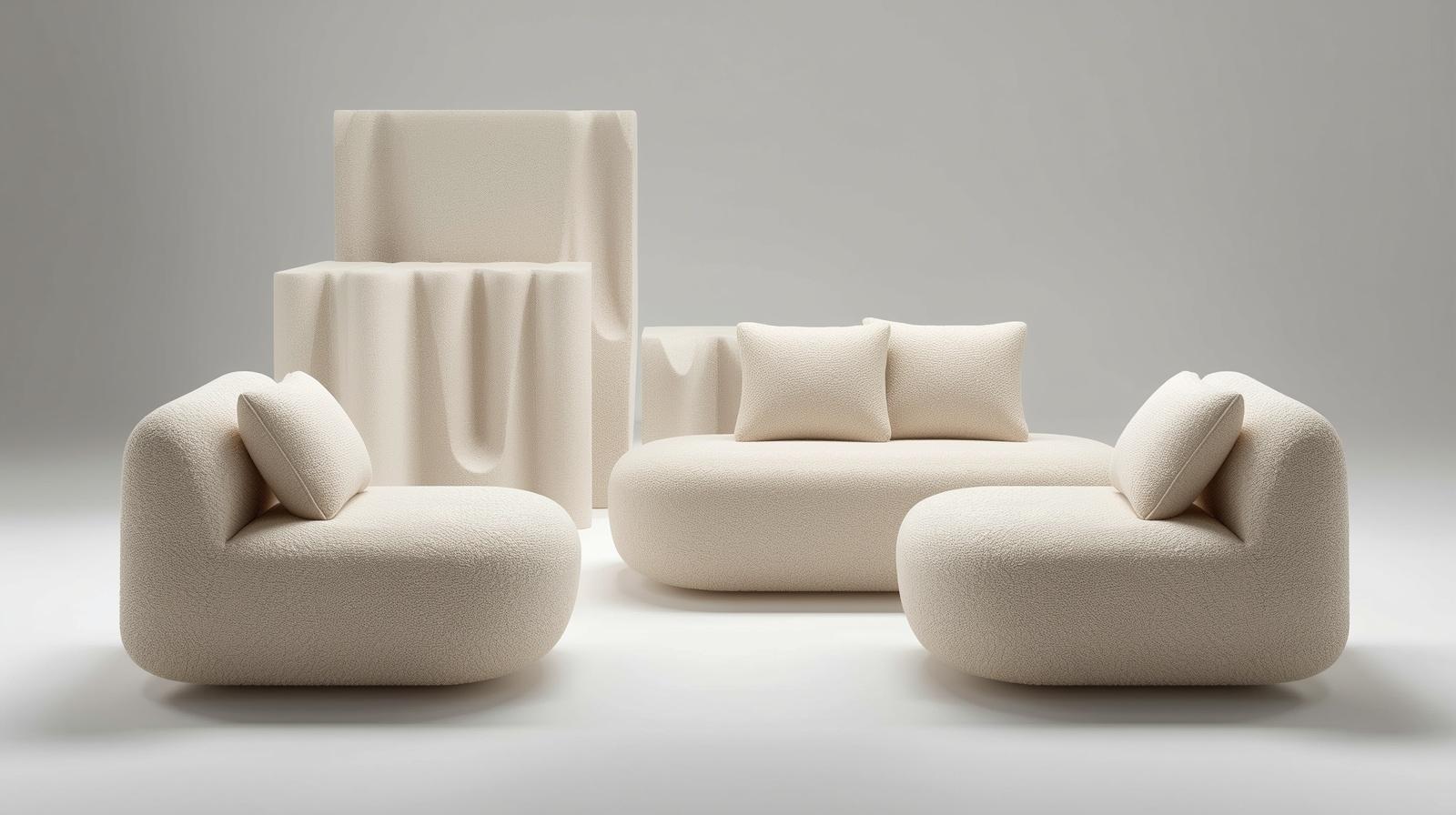
High Density Sofa: The Core Material Behind Lasting Comfort and Export Durability
Why Density Defines Comfort and Product Life
Most sofas fail not because of design flaws, but because of poor material consistency.
Over time, low-density foam loses its structural integrity—flattening under daily pressure and altering the seat contour. For manufacturers and exporters, this means more replacements, higher freight costs, and unsatisfied buyers.
A high density sofa solves this issue by maintaining shape and resilience even after years of usage.
It’s not simply “harder foam”—it’s a scientifically balanced structure that ensures elastic stability, long-term support, and reliable rebound across climate variations.
The Science of Foam Density and Structural Integrity
Foam density refers to the mass per cubic meter (kg/m³), which determines how well a sofa withstands pressure, heat, and time.
Homezeno’s research shows that optimal density between 40–55 kg/m³ provides the best balance between comfort and structural strength.
Homezeno’s Multi-Layer System:
-
Support Core Layer – Provides the sofa’s foundation with balanced pressure distribution.
-
Comfort Cushion Layer – Adds softness without collapsing under weight.
-
Rebound Transition Layer – Absorbs compression stress, ensuring uniform recovery.
-
Protective Skin Layer – Enhances air circulation and prevents humidity degradation during sea freight.
Every batch of foam is tested under 20,000 load cycles, ensuring consistency for residential, hospitality, and commercial applications.
Comparing Standard vs. High Density Foam Sofas
| Criteria | Regular Foam Sofa | Homezeno High Density Sofa |
|---|---|---|
| Density Level | 20–30 kg/m³ | 40–55 kg/m³ |
| Compression Recovery | 70–80% | 95%+ after 10s |
| Lifespan | 1–2 years | 5–8 years |
| Shape Retention | Poor | Excellent under long-term load |
| Export Stability | Easily deformed | Stable during compression shipment |
The result is measurable: higher density leads to better rebound memory, slower fatigue, and longer durability—making it a top choice for global buyers seeking reliability over low-cost turnover.
A Practical Solution for Export-Grade Comfort
For international logistics, density isn’t only about sitting comfort—it’s also about structural efficiency in shipping.
Homezeno’s high density sofas are compression-ready, reducing freight volume by up to 45% without losing structural quality.
Key performance benefits include:
-
Superior Weight Tolerance – Handles 120–150kg per seat without sinking.
-
Minimal Shrinkage After Unpacking – Recovers full shape within 8–12 hours.
-
Low Deformation Index – Less than 5% permanent compression loss.
-
All-Climate Stability – Performs consistently under humidity and temperature swings.
These factors ensure long-term quality even after months of international transit and warehouse storage.
Advantages of Choosing High Density Foam Sofas
-
Extended Durability – Longer foam life reduces replacement frequency and warranty cost.
-
Consistent Comfort – Maintains balanced support, preventing body strain.
-
Material Efficiency – Requires less maintenance and retains volume longer.
-
Export Confidence – Certified under EN12520 for load and endurance.
-
Custom Density Options – Adjustable levels for specific commercial or residential needs.
This combination of structure and adaptability makes Homezeno sofas suitable for both mass production and OEM customization.
Real-World Applications: Where Density Matters Most
-
Luxury Apartments & Villas – For clients expecting premium comfort over years of daily use.
-
Hotels & Resorts – Withstands frequent guest turnover while preserving its plush appearance.
-
Corporate Lounges – Provides ergonomic firmness and long-term shape retention.
-
Retail & Export Distributors – Ideal for compressed shipments requiring fast rebound.
Each application benefits from a density profile tailored to environmental and usage demands, ensuring comfort is backed by measurable durability.
Foam Density Selection Table
| Usage Scenario | Density Range (kg/m³) | Comfort Level | Expected Lifespan |
|---|---|---|---|
| Household Sofas | 35–40 | Soft & resilient | 4–5 years |
| Hospitality Sofas | 40–45 | Medium-firm, stable | 5–6 years |
| Office Lounges | 45–50 | Firm, posture-supportive | 6–8 years |
| Commercial Export Models | 50–55 | Very firm, long-cycle use | 7–9 years |
Selecting the correct density is not about “harder or softer,” but about structural endurance—how long the foam resists deformation while maintaining seating comfort.
Frequently Asked Questions
Q1: Does higher density make the sofa too firm?
Not necessarily. Homezeno’s layer composition balances firmness at the core and softness at the surface.
Q2: Can high density foam be used for compression packaging?
Yes. Its strong rebound property makes it ideal for vacuum-sealed shipping with full recovery.
Q3: How does humidity affect high density foam performance?
Our protective coating minimizes moisture absorption, preventing premature sagging.
Q4: Can Homezeno produce custom-density sofas for export brands?
Absolutely. We tailor foam density and structure based on each client’s usage and market conditions.
The Foundation of Comfort Lies in Density
The strength of a sofa isn’t visible—it’s built within its foam core.
Homezeno’s high density sofa technology ensures durability, rebound precision, and comfort consistency that global buyers can trust.
Each product reflects a commitment to material integrity and long-term value, transforming foam from filler to foundation.
To explore OEM or export-ready high density sofa solutions, contact Homezeno’s team.
Visit the Homezeno homepage for more information on compression-ready, rebound foam, and ergonomic sofa collections built for lasting global performance.