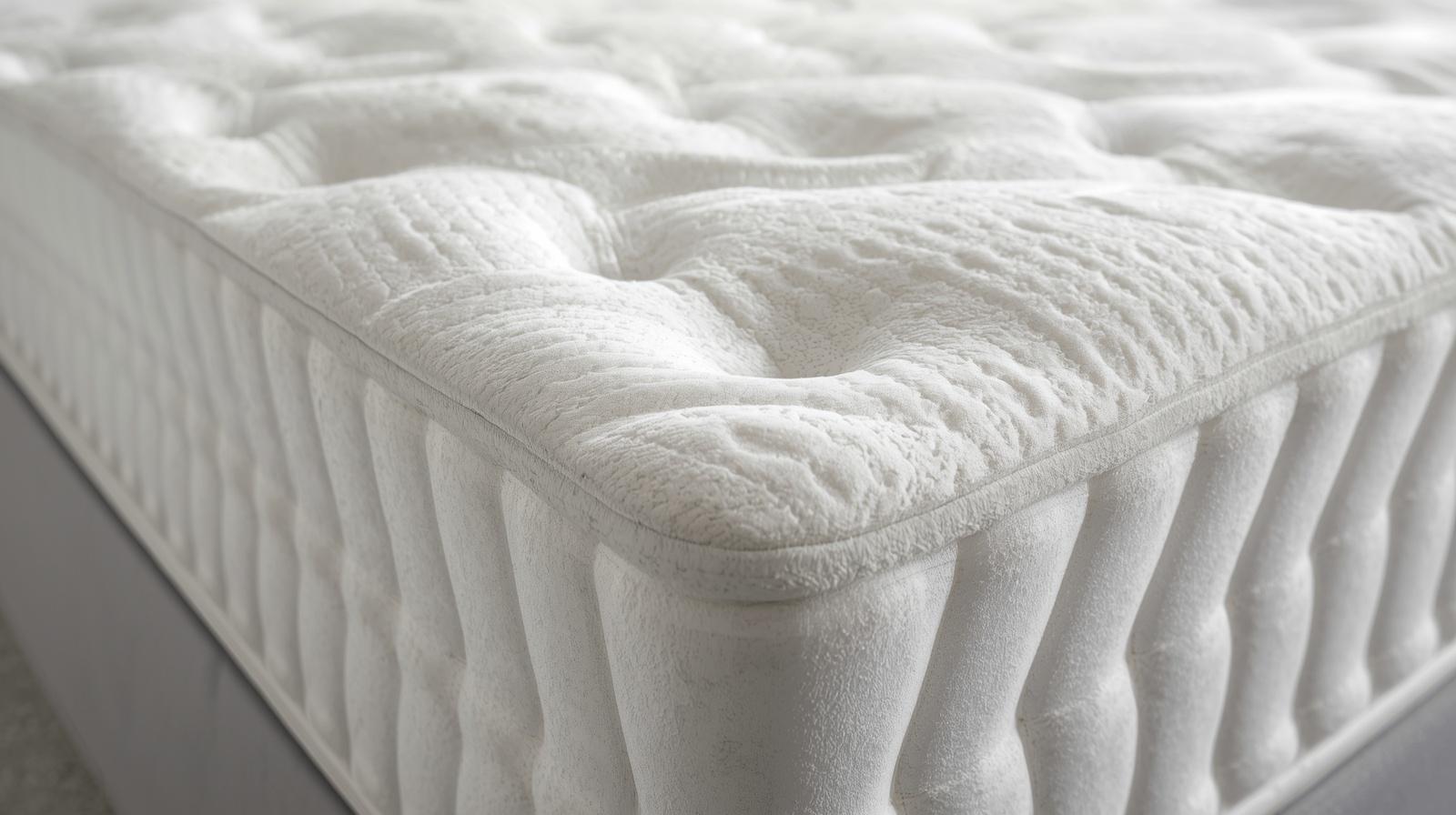
Compressed Mattress Factory: How Advanced Compression Technology Shapes Quality, Cost, and Global Logistics
What Global Buyers Expect from a Compressed Mattress Factory
When overseas buyers evaluate a mattress supplier, their priorities are clear:
-
Consistency — each unit must expand perfectly after long-distance shipping.
-
Durability — foam and springs must resist deformation after compression.
-
Safety — packaging must protect against moisture and contamination.
-
Efficiency — reduced freight cost without compromising comfort.
-
Scalability — factories must deliver on high-volume orders with strict timelines.
A true compressed mattress factory combines engineering precision, automated packaging, and climate-controlled storage to meet all these expectations.
Inside the Compression Process — Engineering Meets Comfort
Modern factories use vacuum and roll-packing systems that condense a full-size mattress into one-third of its original volume while preserving its structure.
| Step | Process | Equipment Used | Key Control Parameter |
|---|---|---|---|
| 1 | Mattress Layer Assembly | CNC cutting, glue line | Density ratio ±2% |
| 2 | Pre-Vacuum Test | Negative pressure chamber | Air extraction rate 98% |
| 3 | Compression & Sealing | Hydraulic press + PE/EVOH film | Pressure < 130 kPa |
| 4 | Roll Packing | Automated winding system | Roll diameter ≤ 40 cm |
| 5 | Box Packaging | Custom printed cartons | Drop test: 80 cm, 5 sides |
Technical Focus:
The factory’s goal is complete shape recovery within 48 hours after unpacking — a benchmark that defines product credibility in the export market.
Why Compression Doesn’t Mean Lower Quality
There’s a misconception that compression damages foam or coils.
In reality, high-grade materials are designed with elastic memory and tensile tolerance, allowing full recovery post-vacuum.
Factory Specifications:
-
PU / HR Foam Density: 35–55 kg/m³
-
Spring Wire Gauge: 1.8–2.2 mm (tempered steel)
-
Latex Layer Thickness: 2–5 cm optional
-
Recovery Rate: ≥ 98% within 48 hours
-
Compression Durability Test: 10,000 cycles with <5% deformation
Result:
Factories that meet these parameters can guarantee structure recovery, reduce complaints, and extend product life by 30% compared to non-compressed models.
Logistics Advantage — Reducing Freight Cost by up to 70%
For OEM buyers, freight cost often determines profit margin.
A compressed mattress factory optimizes this through vacuum sealing and box logistics:
| Transport Mode | Units per 40-ft Container | Freight Saving |
|---|---|---|
| Traditional Mattress | ~250 pcs | — |
| Compressed & Rolled | 650–700 pcs | 65–70% reduction |
Why It Matters:
-
Lower freight per unit = stronger competitiveness in retail pricing.
-
Reduced storage footprint = lower warehouse costs.
-
Faster unloading and restocking for distributors.
Environmental Bonus:
Less packaging waste, lower CO₂ emissions, and compliance with EU eco-shipping directives.
Quality Control — The Hidden Core of Every Factory
High compression capability is meaningless without consistent quality.
That’s why top-tier compressed mattress factories integrate real-time inspection and traceability systems:
-
Foam Calibration: Every batch tested for density and hardness (ILD).
-
Vacuum Leak Testing: Monitored by infrared sensors.
-
Recovery Simulation: Random sample expansion test after 30 days of storage.
-
Barcode Tracking: Each mattress carries a digital ID linked to its material batch.
Factories compliant with ISO 9001, CertiPUR-US, and OEKO-TEX guarantee that every exported mattress meets both comfort and environmental standards.
OEM Customization — What Buyers Can Request
Global importers often require factory flexibility for branding and specification.
A professional compressed mattress factory typically offers:
-
Custom foam combinations (PU + Memory + Latex hybrid)
-
Brand-printed box packaging with QR tracking
-
Density / firmness calibration by target market region
-
Fire-retardant or antibacterial fabric options
-
Roll-pack dimensions optimized for local courier limits
Example for Export Clients:
For EU orders, factories often supply rolled size ≤ 40 cm diameter, carton < 42 kg, to comply with ergonomic handling limits.
Common Buyer Concerns — Addressed by Factory Practices
| Buyer Concern | Factory Solution |
|---|---|
| Will compression damage foam? | Use of HR foam with tensile recovery > 98%. |
| What about mold during shipping? | PE + EVOH multilayer vacuum film with desiccant insert. |
| How long can compressed mattresses be stored? | Up to 6 months in 20–25°C warehouse. |
| Can we customize box design for e-commerce? | Yes, full-color OEM cartons and QR code options. |
| How is warranty handled? | Standard export warranty 3–5 years based on foam grade. |
Selecting the Right Factory — A Buyer’s Checklist
-
Check Compression Recovery Reports: Must include foam density and pressure data.
-
Inspect Certification Portfolio: ISO 9001, CertiPUR-US, OEKO-TEX.
-
Ask About Vacuum Film Type: EVOH multilayer > single-layer PE.
-
Visit Packing Line Videos: Look for automation and consistency.
-
Confirm Packaging Tests: Drop and vibration test results available.
A professional factory should provide technical sheets + packing simulation reports before order confirmation.
The Future of Compressed Mattress Manufacturing
Automation, sustainability, and smart packaging will define the next phase of growth.
Factories are adopting AI-based compression control and recyclable film technology, ensuring both durability and environmental compliance for global buyers.
This makes compressed mattresses not only easier to ship — but smarter, safer, and greener for the future of furniture logistics.
Final Takeaway
A compressed mattress factory is not just a manufacturer; it’s a supply chain partner that ensures your products arrive intact, expand perfectly, and satisfy customers worldwide.
For OEM and wholesale collaboration inquiries, visit Homezeno Homepage or Contact Us to discuss tailored solutions.