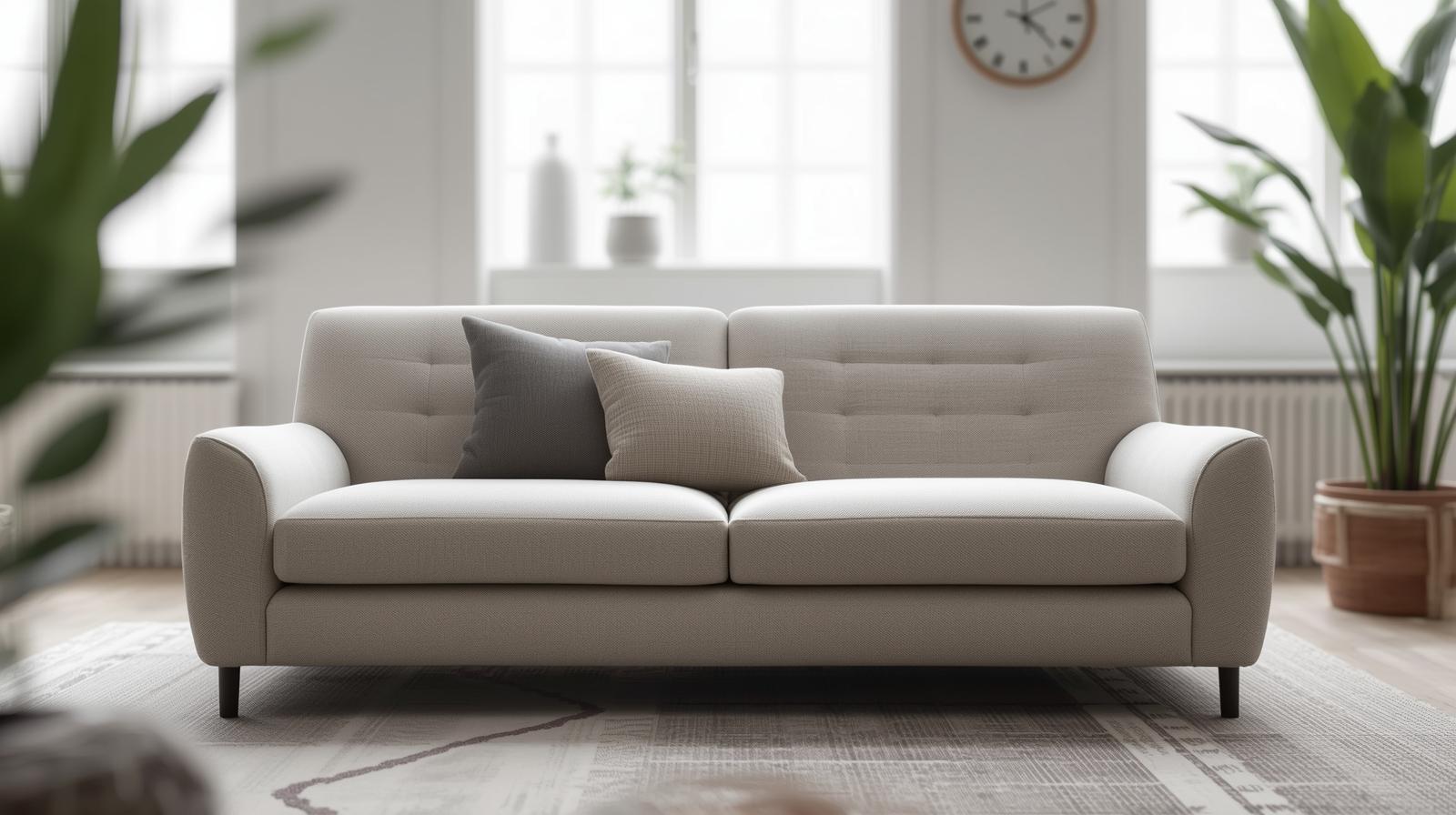
In sofa production, long-term performance is not determined by softness alone, but by how the internal padding reacts to repeated compression. Many sofas feel comfortable initially yet lose support within months due to insufficient recovery capability. A well-designed high rebound sofa padding system focuses on controlled elasticity, load distribution, and structural stability rather than short-term comfort.
Material Engineering Behind Consistent Rebound Performance
Foam used in seating must recover quickly after compression while maintaining internal structure. Standard foams often collapse under repeated use, leading to permanent deformation.
In engineered seating systems, high rebound sofa padding is developed using optimized cell structure and density balance. The foam maintains elasticity while resisting breakdown under cyclic loading. This ensures that the cushion returns to its original shape after use, preventing visible sagging and maintaining seating height.
Material selection also considers environmental stability, allowing consistent performance across different temperature and humidity conditions.
Cushion Structure That Controls Load Distribution
Padding performance is not only about foam quality, but also about how layers interact. Without proper layering, even high-quality foam may fail under uneven pressure.
A structured high rebound sofa padding system distributes load through multiple layers. The upper layer provides immediate comfort, while the core layer handles long-term support. This layered configuration prevents localized compression and ensures uniform seating performance across the entire cushion surface.
Such structural balance becomes critical in larger seating systems where weight distribution varies.
Process Control for Stable Production Output
Consistency across production batches is essential in B2B supply. Small variations in foam curing or cutting can lead to noticeable differences in performance after delivery.
Manufacturing processes for high rebound sofa padding include controlled curing cycles, density verification, and post-production recovery testing. Cushions are often tested after simulated compression to ensure that rebound performance remains stable before shipment.
This level of process control ensures that bulk orders maintain uniform quality, reducing after-sales variability.
Adaptation Across Different Usage Environments
Sofa usage conditions vary significantly between markets. Residential settings typically involve moderate daily use, while rental properties and commercial environments experience higher frequency and load variation.
A properly designed high rebound sofa padding system adapts to these conditions by adjusting density and firmness levels. Softer configurations may be used in residential markets to enhance comfort, while higher-density cores are selected for high-traffic environments to maintain durability.
This adaptability allows one product platform to serve multiple market segments without compromising performance.
Performance Comparison: Standard Foam vs High Rebound Padding
| Performance Metric | Standard Foam Padding | High Rebound Padding |
|---|---|---|
| Shape recovery after use | 70–80% | 92–96% |
| Cushion height loss (12 months) | 12–18% | <6% |
| Support consistency | Variable | Stable |
| Resistance to repeated compression | Medium | High |
| Return / replacement rate | 8–12% | 2–4% |
The data shows that improved rebound characteristics significantly reduce long-term deformation and maintenance issues.
Commercial Impact for B2B Buyers
For distributors and project buyers, cushion failure directly impacts customer satisfaction and operational cost. Frequent replacements increase logistics expenses and reduce product credibility in local markets.
By using high rebound sofa padding, buyers benefit from longer product lifespan and more predictable performance. Reduced complaint rates and improved durability contribute to better overall cost efficiency across the supply chain.
Production Execution and Customization
In export-oriented manufacturing, padding specifications are defined based on target market and application scenario. Foam density, firmness level, and layer thickness are adjusted to match expected usage intensity.
Sample validation typically requires one to two weeks, during which rebound performance and structural integrity are tested. Bulk production timelines generally range from 30 to 45 days, depending on order scale and customization requirements.
This structured approach ensures that products meet both comfort expectations and durability standards.
Frequently Asked Buyer Questions
Does higher density always mean better performance?
Not necessarily. Performance depends on the balance between density and elasticity, not density alone.
Can high rebound padding maintain softness?
Yes. Properly engineered foam provides both comfort and structural support.
Is high rebound padding suitable for commercial use?
Yes. It is particularly effective in environments with frequent seating and higher load variation.
Closing Perspective
A sofa’s long-term value is defined by how well it maintains comfort after repeated use. High rebound sofa padding ensures that seating performance remains stable by combining material resilience, structural balance, and controlled production processes.
HomeZeno develops sofa padding systems by aligning foam engineering, cushion structure, and manufacturing consistency from the beginning. This allows HomeZeno to support B2B partners with seating solutions that maintain comfort and durability across different markets and usage conditions. To explore product options, visit
https://www.homezeno.com/en/products
or contact the team at
https://www.homezeno.com/contact-us
to discuss specifications, customization, and project requirements.