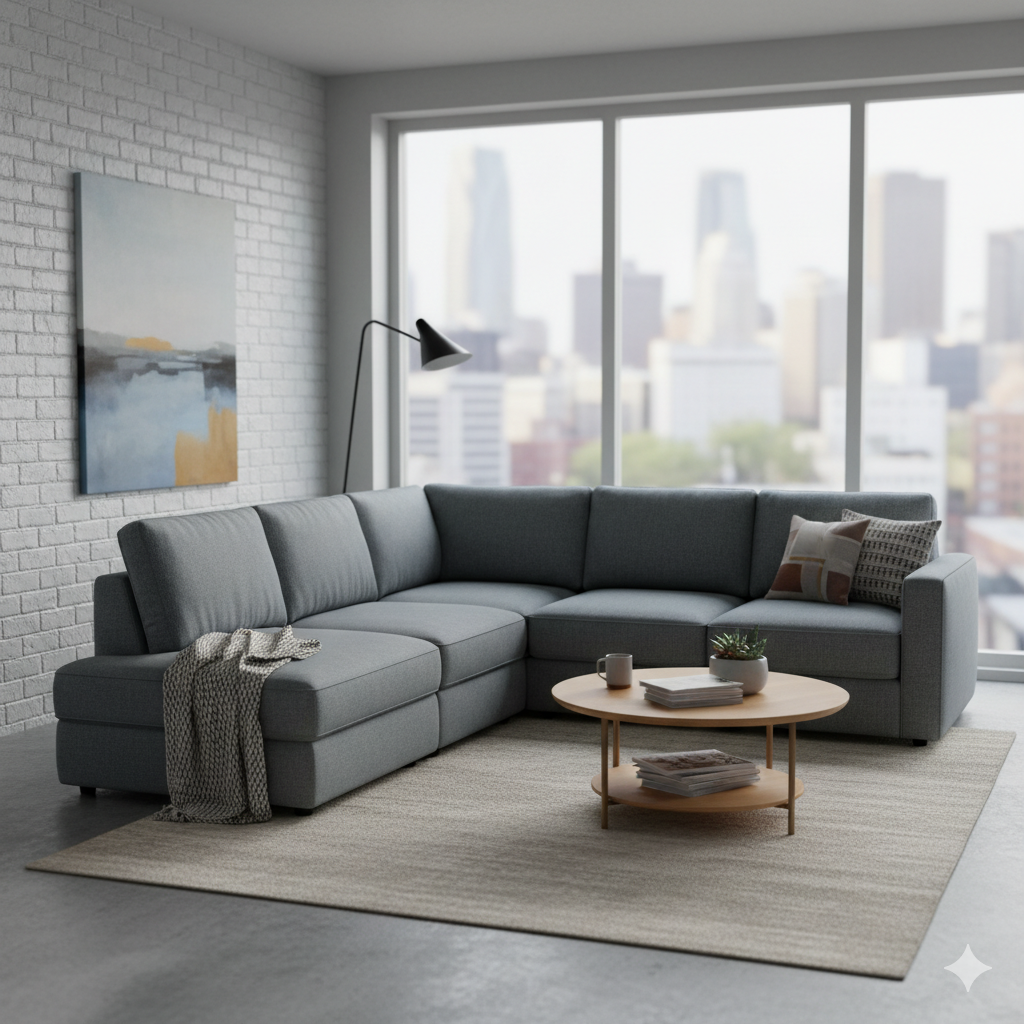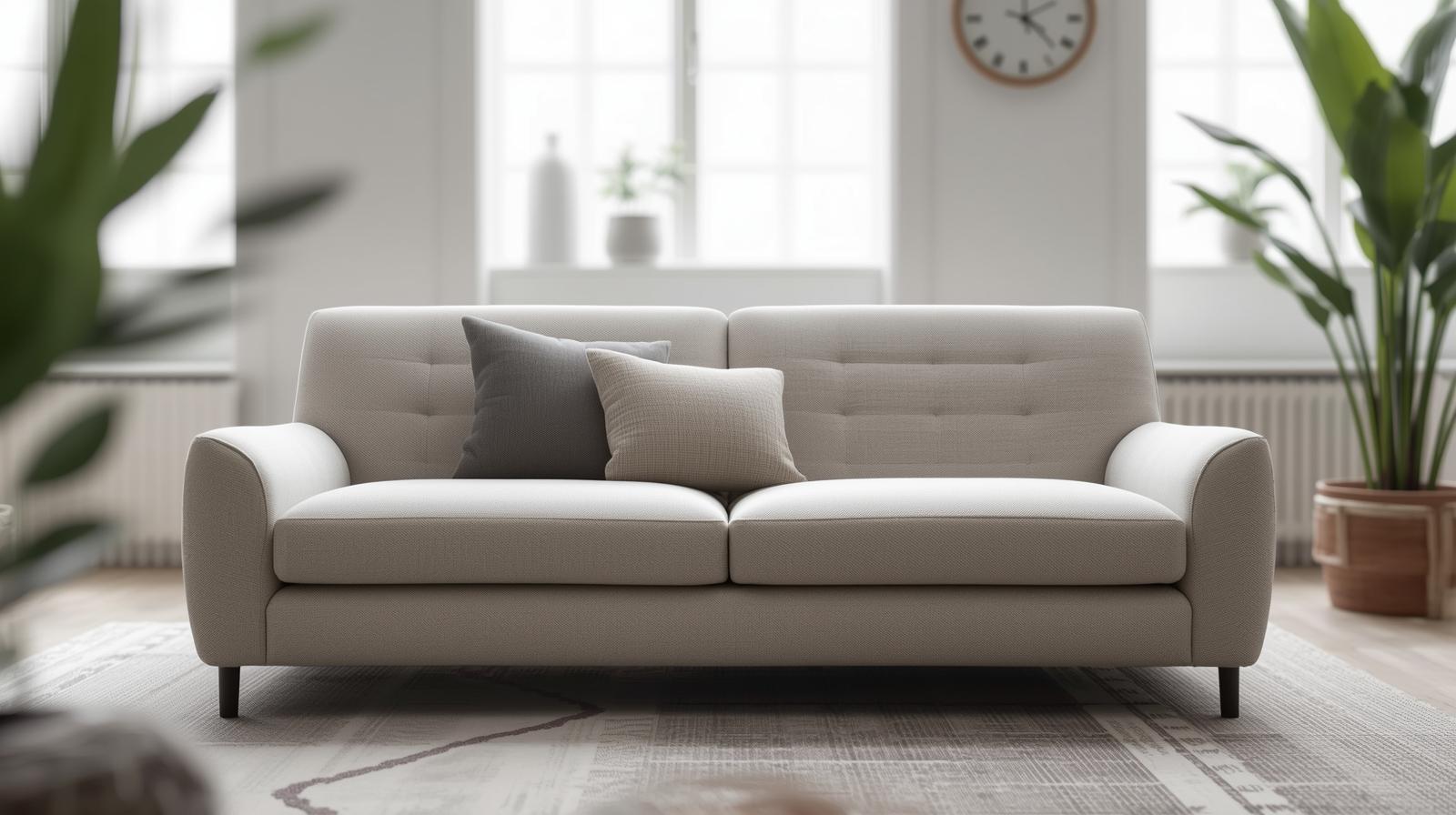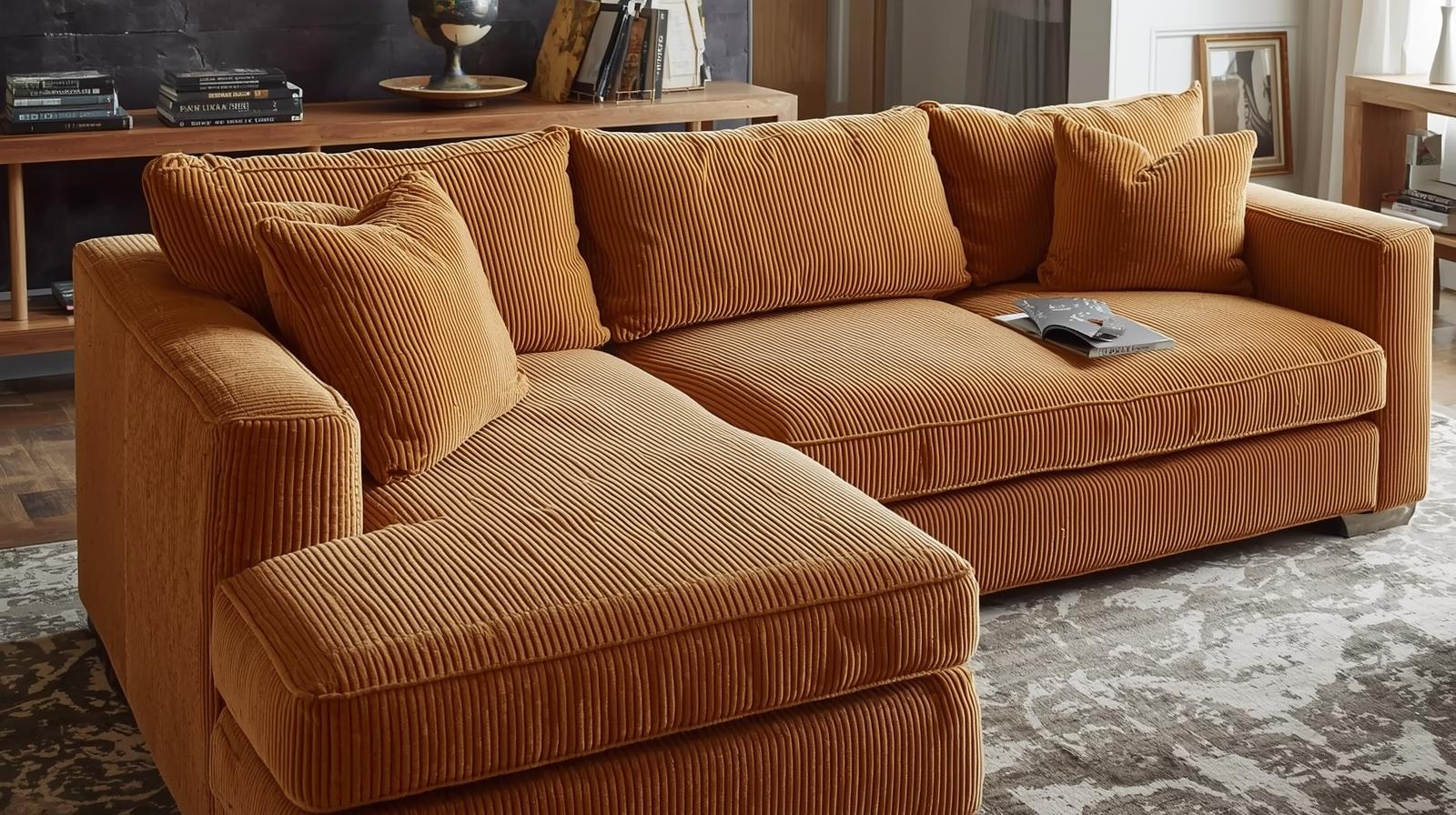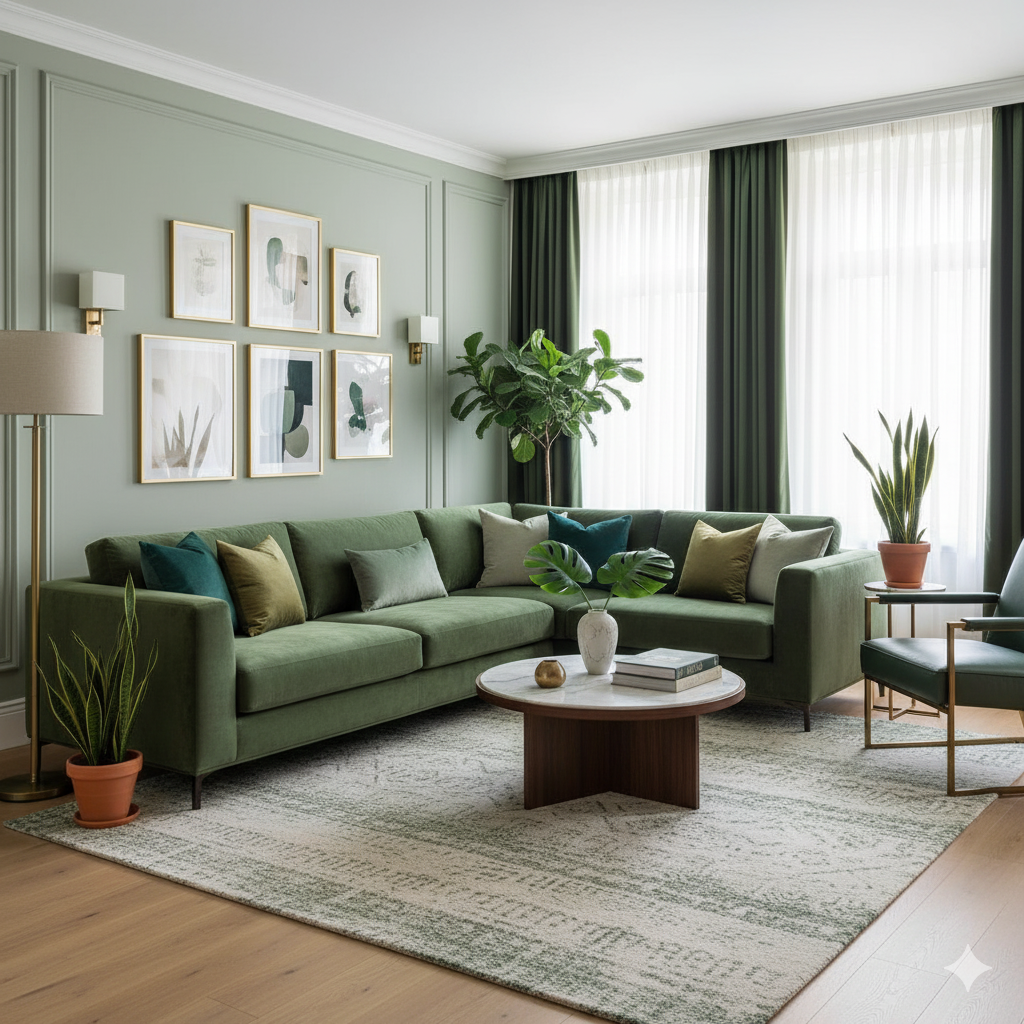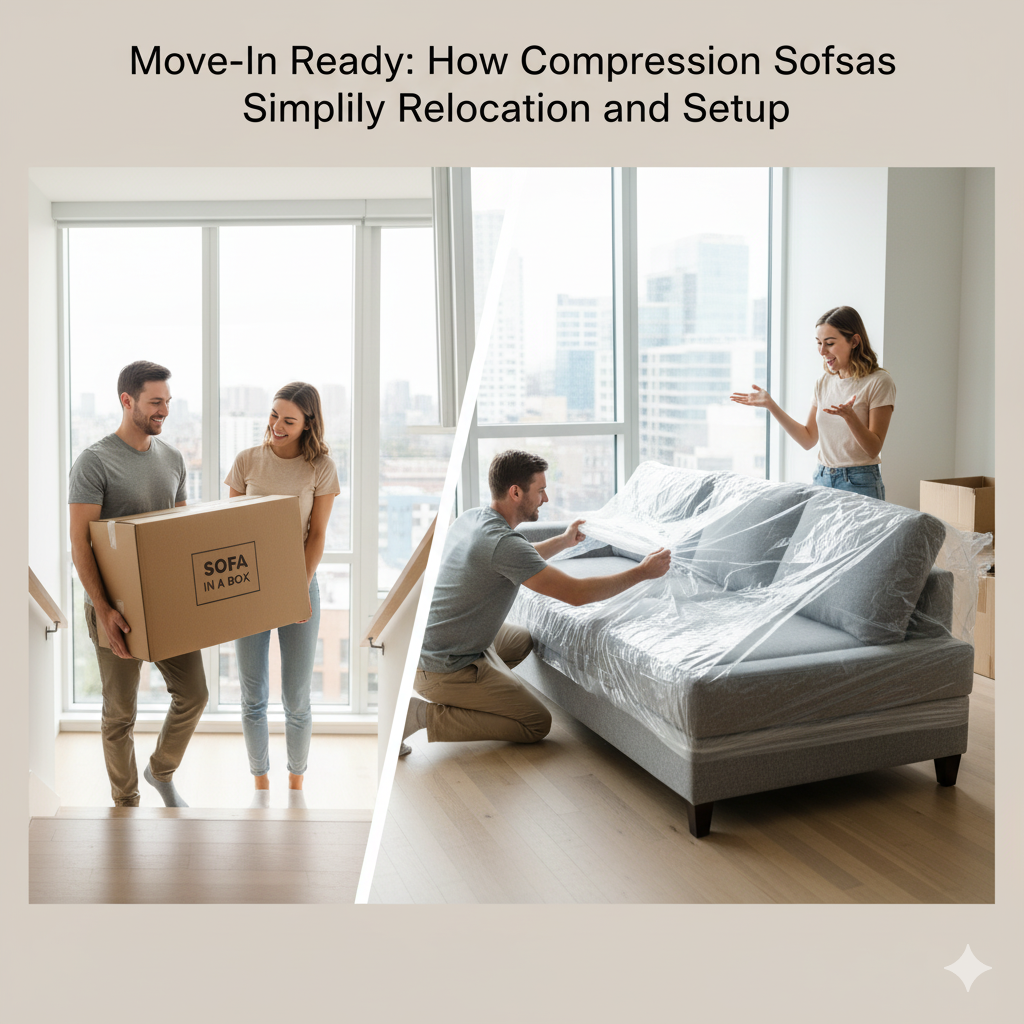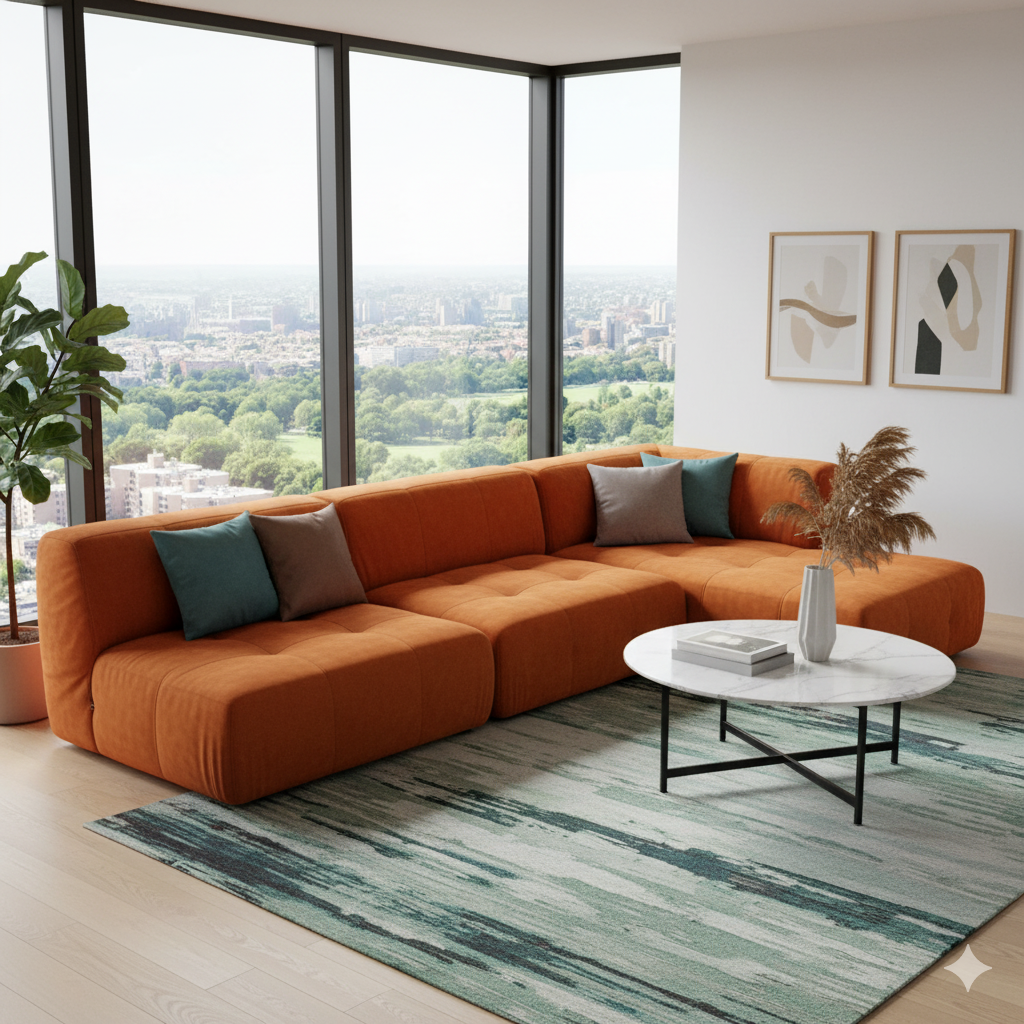
In overseas distribution models, a sofa does not move directly from factory to living room. It passes through containers, ports, warehouses, regional distribution centers, and retail storage before reaching end users. During this extended journey, fabric surface stability becomes just as important as structural integrity. A dust resistant wool sofa is designed not only for comfort, but for resilience across this entire distribution chain.
Fiber Behavior Under Transport and Storage Conditions
Long-distance shipping exposes upholstery to vibration, compression, and fluctuating humidity. Standard fabrics tend to accumulate static charge during transport, attracting airborne dust particles that become embedded before the product is even unpacked.
A dust resistant wool sofa benefits from wool’s natural anti-static fiber behavior. The crimped fiber structure reduces electrostatic attraction, limiting dust accumulation during shipping and warehouse storage. This ensures that the sofa maintains a cleaner surface appearance upon arrival, reducing pre-display cleaning effort for distributors.
Surface Stability in Daily Overseas Use
After distribution, daily use begins under varied climate conditions. In dry regions, static buildup can increase dust adhesion. In humid climates, trapped particles can accelerate fabric wear and discoloration.
The structure of a dust resistant wool sofa allows micro-ventilation between fibers, minimizing surface particle retention while maintaining breathability. This dual performance—reduced dust attachment and improved airflow—helps preserve visual consistency even after months of household use.
Unlike synthetic fabrics that rely solely on coatings, wool’s resistance is inherent in the fiber structure itself, making performance more stable over time.
Structural and Cushion Coordination for Export Stability
Surface performance must align with internal durability. Overseas sofas often remain compressed or stored before final placement, and repeated repositioning in homes adds additional stress.
A properly engineered dust resistant wool sofa integrates reinforced seam construction, stable backing layers, and resilient cushion cores to ensure that the fabric and internal system respond consistently to movement and daily seating cycles. This prevents seam distortion and localized wear that would otherwise compromise long-term appearance.
Performance Comparison in Overseas Distribution Context
| Performance Aspect | Standard Synthetic Sofa | Wool-Based Dust Resistant Sofa |
|---|---|---|
| Static-related dust adhesion | High | Reduced by ~45% |
| Pre-display cleaning requirement | High | Reduced by ~30% |
| Surface discoloration risk | Moderate | Low |
| Cushion stability after storage | 75–80% recovery | 90–95% recovery |
| Average service life | 3–4 years | 5–7 years |
The comparison illustrates how surface behavior and cushion stability directly influence distribution efficiency and product longevity.
Commercial Advantage in International Supply Chains
For overseas distributors, fabric performance influences more than maintenance. It affects display readiness, warehouse handling efficiency, and brand perception at retail level.
When surface dust accumulation is reduced, distributors spend less time preparing units for showroom display. Lower cleaning frequency decreases labor cost by approximately 20–30 percent across large shipments. Longer service life also reduces replacement cycles, protecting margins in competitive markets.
In large-scale distribution programs, even small improvements in durability and maintenance efficiency translate into measurable operational savings.
Production Execution and Customization for Overseas Programs
In export-focused production, specifications are aligned with distribution distance and market climate. Fabric density, wool blend composition, and backing reinforcement are selected based on regional environmental conditions.
Sample validation generally takes one to two weeks, including fabric surface behavior testing and structural inspection. Bulk production timelines typically range from 30 to 45 days depending on configuration and order scale. This ensures that products are not only visually appealing, but distribution-ready before shipment.
Frequently Asked Buyer Questions
Does wool fabric attract less dust than synthetic fabric?
Yes. Its natural anti-static properties reduce dust adhesion compared to many synthetic materials.
Is wool suitable for long-distance shipping?
Yes. Its fiber resilience and breathable structure perform well under vibration and storage conditions.
Will wool fabric maintain appearance in daily use?
When properly processed and structured, wool maintains surface stability and resists visible wear over time.
Closing Perspective
A dust resistant wool sofa designed for overseas distribution must perform before and after arrival. Reduced dust adhesion, stable surface appearance, and coordinated structural durability ensure that the product remains presentable and reliable from warehouse to household.
HomeZeno develops export-oriented sofa solutions by aligning fabric engineering, structural reinforcement, and production consistency from the beginning. This allows HomeZeno to support international partners with sofas that maintain cleanliness, comfort, and durability throughout transport, storage, and daily use. To explore available export-ready models, visit
https://www.homezeno.com/en/products
or contact
https://www.homezeno.com/contact-us
to discuss overseas distribution requirements and customization options.