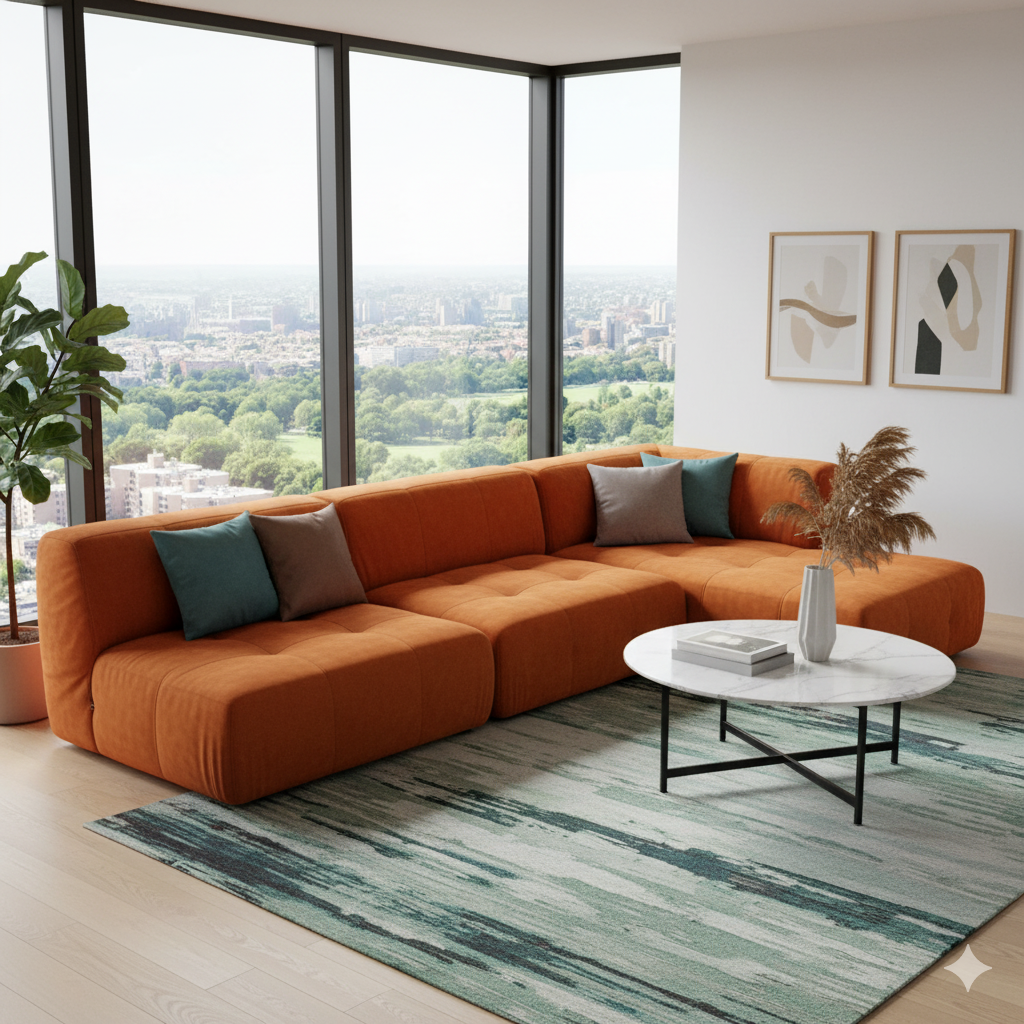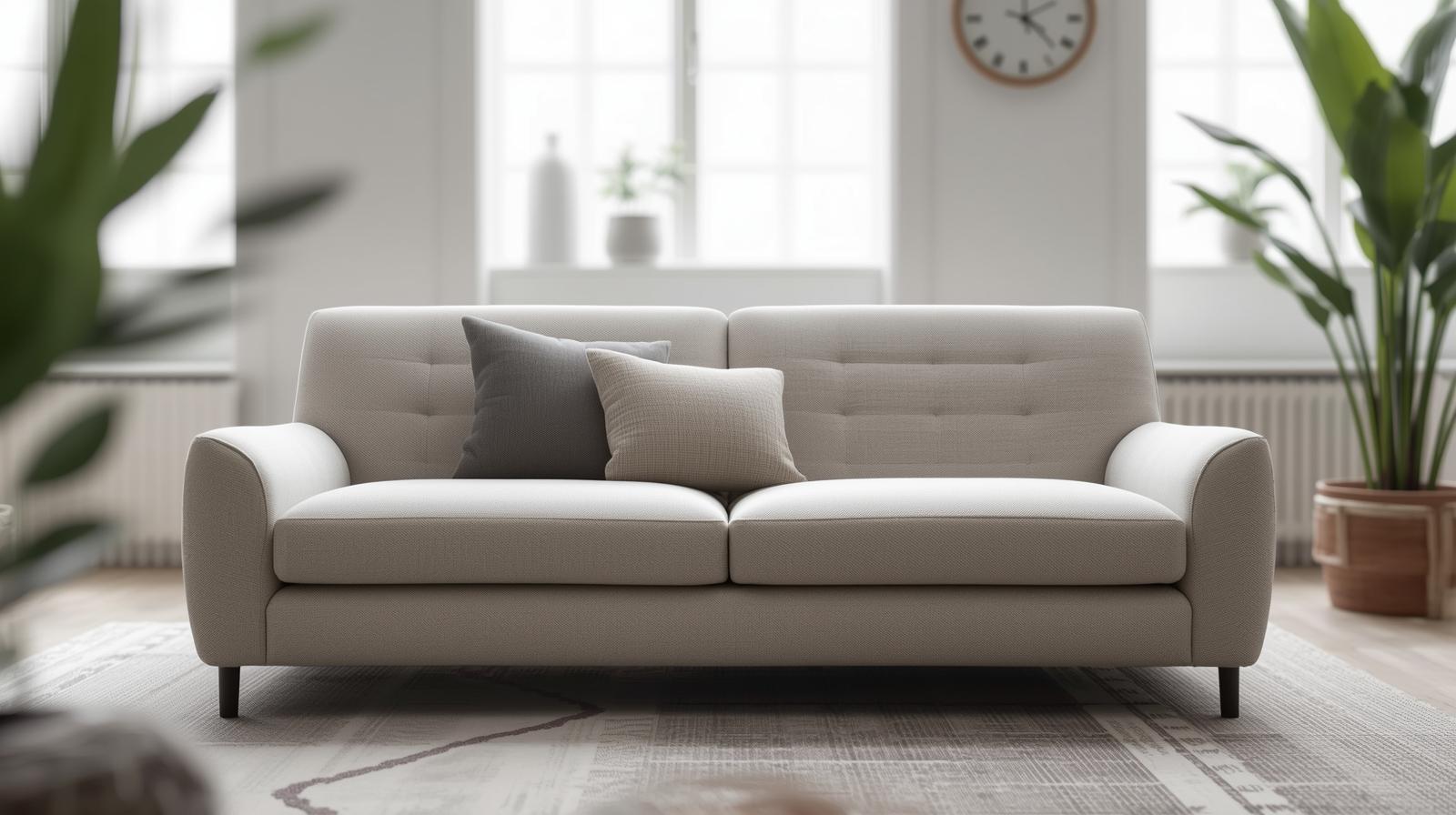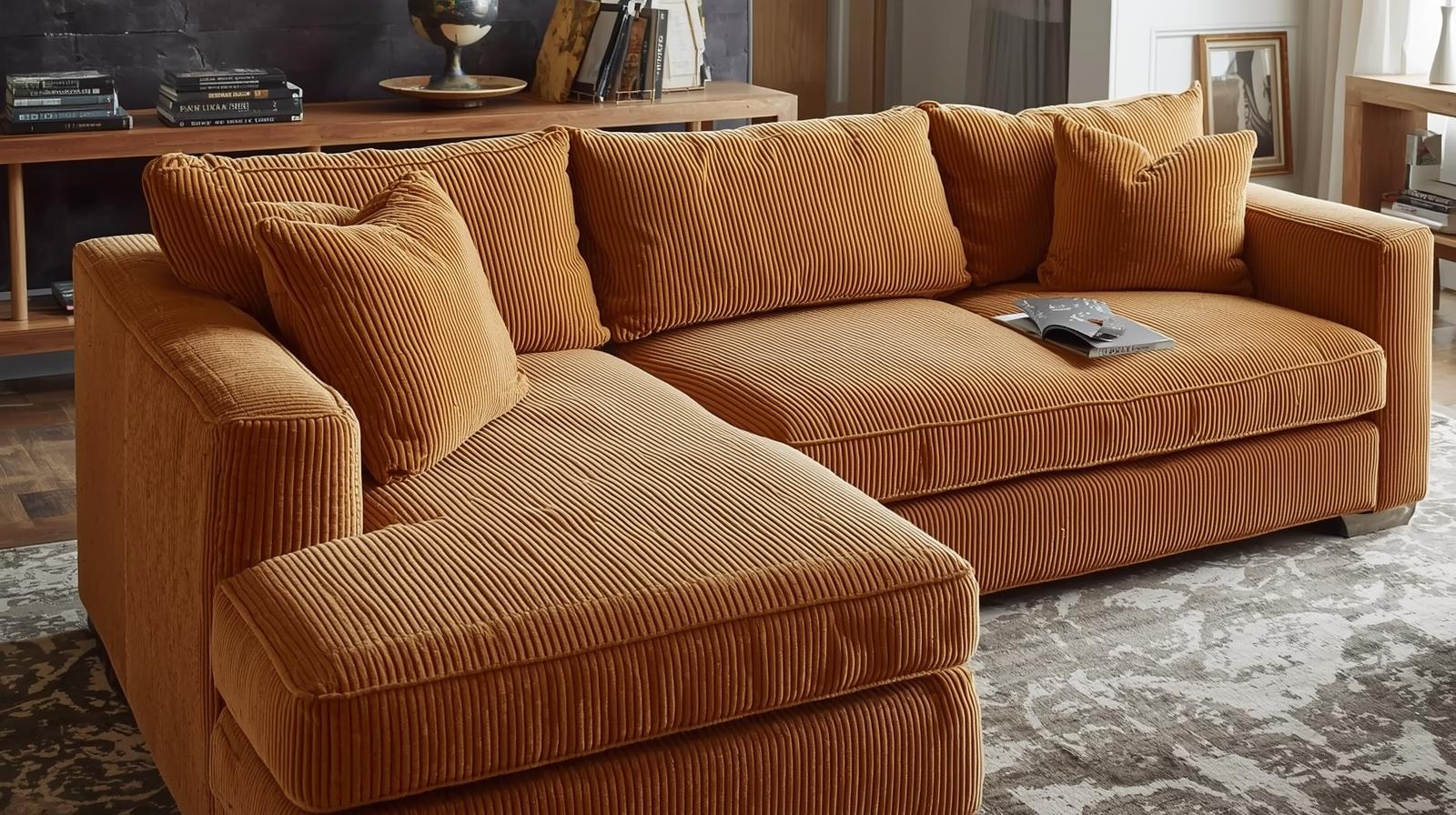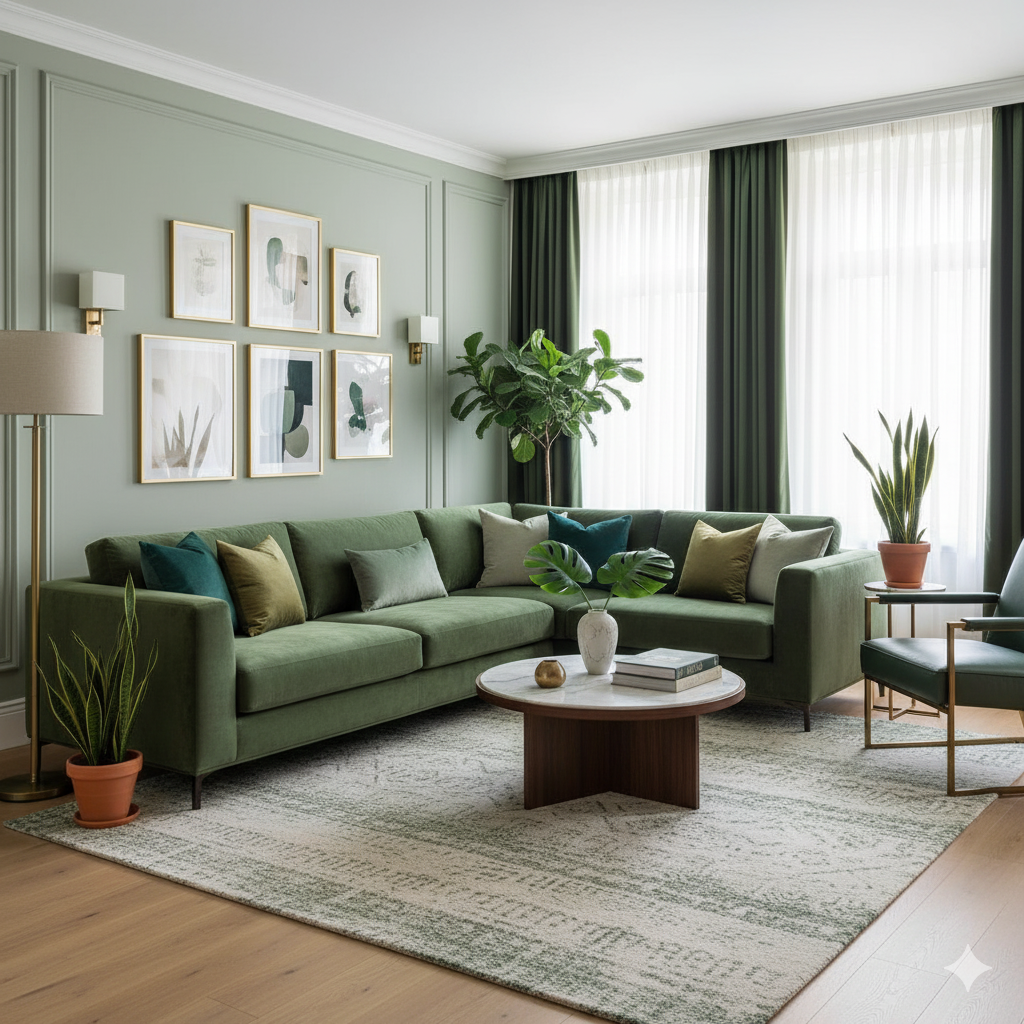
The Perfect Match: Dust Resistant Wool Sofa for Rental and High-Turnover Environments
In rental apartments, serviced residences, and shared living spaces, furniture is exposed to repeated use cycles, quick tenant turnover, and inconsistent maintenance routines. Sofas in these environments are expected to remain visually clean, structurally stable, and comfortable without requiring constant upkeep. A dust resistant wool sofa fits this requirement not because of branding or appearance, but because of how its fiber structure, surface behavior, and internal system are engineered to handle real usage conditions.
Why Wool Fiber Structure Reduces Dust Retention in High-Use Spaces
Unlike synthetic flat fabrics, wool fibers have a natural crimped structure that creates micro-gaps within the fabric surface. These gaps reduce static buildup, which is one of the primary causes of dust adhesion.
In a dust resistant wool sofa, the fiber structure allows dust particles to remain on the surface rather than embedding deeply into the fabric. This makes routine cleaning significantly easier and prevents long-term accumulation that leads to discoloration and hygiene concerns.
Additionally, wool’s natural resilience helps maintain fabric integrity under repeated friction, which is common in rental environments where seating frequency is high.
Fabric Processing That Improves Real-World Maintenance Performance
Material alone is not sufficient; finishing processes determine how the fabric behaves over time. Without proper treatment, even wool fabrics can trap dirt or lose surface consistency.
A dust resistant wool sofa integrates controlled fabric finishing, including density calibration and surface stabilization. These processes improve abrasion resistance while preserving breathability. As a result, the fabric maintains a clean appearance even after repeated use and cleaning cycles.
This becomes especially important in high-turnover environments where deep cleaning between tenants is limited.
Cushion and Structure Design for Repeated Usage Cycles
In rental scenarios, sofas experience not only more frequent use but also more varied usage patterns. Uneven seating, jumping loads, and constant repositioning place stress on both cushions and frames.
To address this, a dust resistant wool sofa is paired with stable cushion systems and reinforced structural support. High-resilience foam cores maintain shape after repeated compression, while balanced frame construction distributes load evenly across seating areas.
This combination prevents sagging, reduces structural noise, and maintains seating comfort even after extended use cycles.
Adaptation Across Different High-Turnover Environments
Different rental and shared environments impose different performance demands. Short-term rentals require quick visual reset between tenants, while long-term apartments prioritize durability and comfort consistency. Co-living spaces and serviced apartments often combine both requirements.
A dust resistant wool sofa adapts to these variations through adjustable specifications. Fabric density, cushion firmness, and structural reinforcement can be aligned with usage intensity, ensuring that the same product platform performs reliably across multiple deployment scenarios.
Performance Comparison in Rental Applications
| Performance Metric | Standard Fabric Sofa | Wool-Based Dust Resistant Sofa |
|---|---|---|
| Dust adhesion level | High | Reduced by ~40–50% |
| Cleaning frequency required | High | Reduced by ~30% |
| Fabric wear visibility (12 months) | Moderate–High | Low |
| Cushion shape retention | 75–80% | 90–94% |
| Replacement cycle | 2–3 years | 4–6 years |
The data shows that improved material behavior directly reduces maintenance effort and extends product lifespan in rental use.
Commercial Impact for B2B Buyers
For property operators, distributors, and project buyers, furniture selection is ultimately a cost-control decision rather than a purely aesthetic one. The real financial impact of a sofa in rental and high-turnover environments is not defined by its initial purchase price, but by its maintenance frequency, cleaning cost, and replacement cycle.
While wool-based materials may carry a slightly higher unit price compared to standard synthetic upholstery, the total lifecycle cost often proves lower. Reduced dust adhesion lowers cleaning frequency by approximately 25–30 percent in high-use settings. Lower surface contamination also reduces the need for deep cleaning or fabric replacement, which can cut maintenance labor cost by 15–20 percent annually.
In addition, improved cushion stability and structural consistency extend the average replacement cycle from 2–3 years to 4–6 years in rental environments. When scaled across multiple units in apartment or hospitality projects, this difference significantly reduces capital reinvestment requirements.
From a supply chain perspective, longer lifecycle stability also reduces complaint handling, return logistics, and warranty replacement expenses. For bulk buyers managing hundreds of units, even a 5–8 percent reduction in replacement rate translates into measurable operational savings over time.
The advantage, therefore, is not merely durability, but predictable performance that protects margin across the entire deployment period.
Production Execution and Customization
In export-oriented projects, specifications are defined based on target usage conditions. Fabric density, wool blend ratio, cushion firmness, and frame reinforcement are adjusted to match expected turnover rates and maintenance capabilities.
Sample validation typically takes one to two weeks, including surface performance and durability checks. Bulk production timelines generally range from 30 to 45 days, depending on configuration and order scale. These parameters ensure that products are aligned with real deployment conditions before shipment.
Frequently Asked Buyer Questions
Does wool fabric require more maintenance than synthetic fabric?
No. When properly processed, wool reduces dust adhesion and simplifies routine cleaning.
Is wool suitable for high-use rental environments?
Yes. Its resilience and surface behavior make it suitable for repeated use scenarios.
Will wool fabric lose appearance over time?
Properly engineered wool fabrics maintain surface consistency and resist visible wear.
Closing Perspective
A dust resistant wool sofa is not defined by softness alone, but by how effectively it reduces maintenance effort while maintaining structural and visual stability. In high-turnover environments, this balance directly impacts operational cost and long-term usability.
HomeZeno develops sofa solutions by aligning fabric engineering, cushion performance, and structural design specifically for export and rental applications. This allows HomeZeno to support B2B partners with products that remain reliable under repeated use and varied maintenance conditions. To explore suitable solutions, visit
https://www.homezeno.com/en/products
or contact the team at
https://www.homezeno.com/contact-us
to discuss specifications, customization, and project requirements.