Orthopedic Foam Mattress: Scientific Support for Healthier Sleep and Long-Term Durability
The Growing Demand for Medical-Grade Comfort
Chronic back pain, sedentary lifestyles, and post-surgery recovery have made orthopedic foam mattresses a global necessity rather than a luxury. In markets like Europe, Japan, and the Middle East, buyers increasingly request mattresses that combine clinical ergonomics with industrial-grade longevity.
These mattresses use high-density PU or memory foam formulations engineered to maintain neutral spine alignment through controlled compression zones — providing both comfort and rehabilitation benefits.
Inside the Orthopedic Foam System
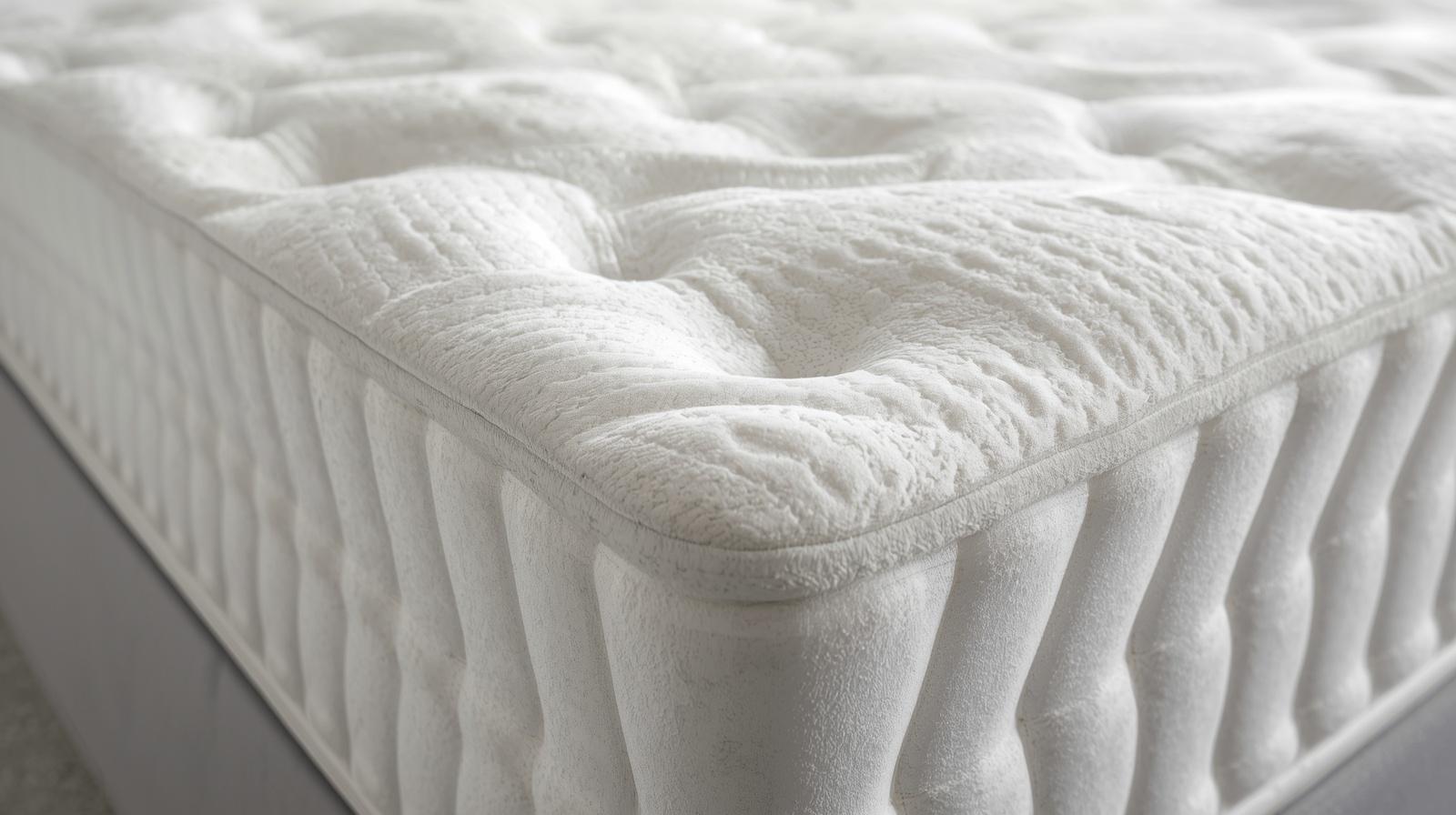
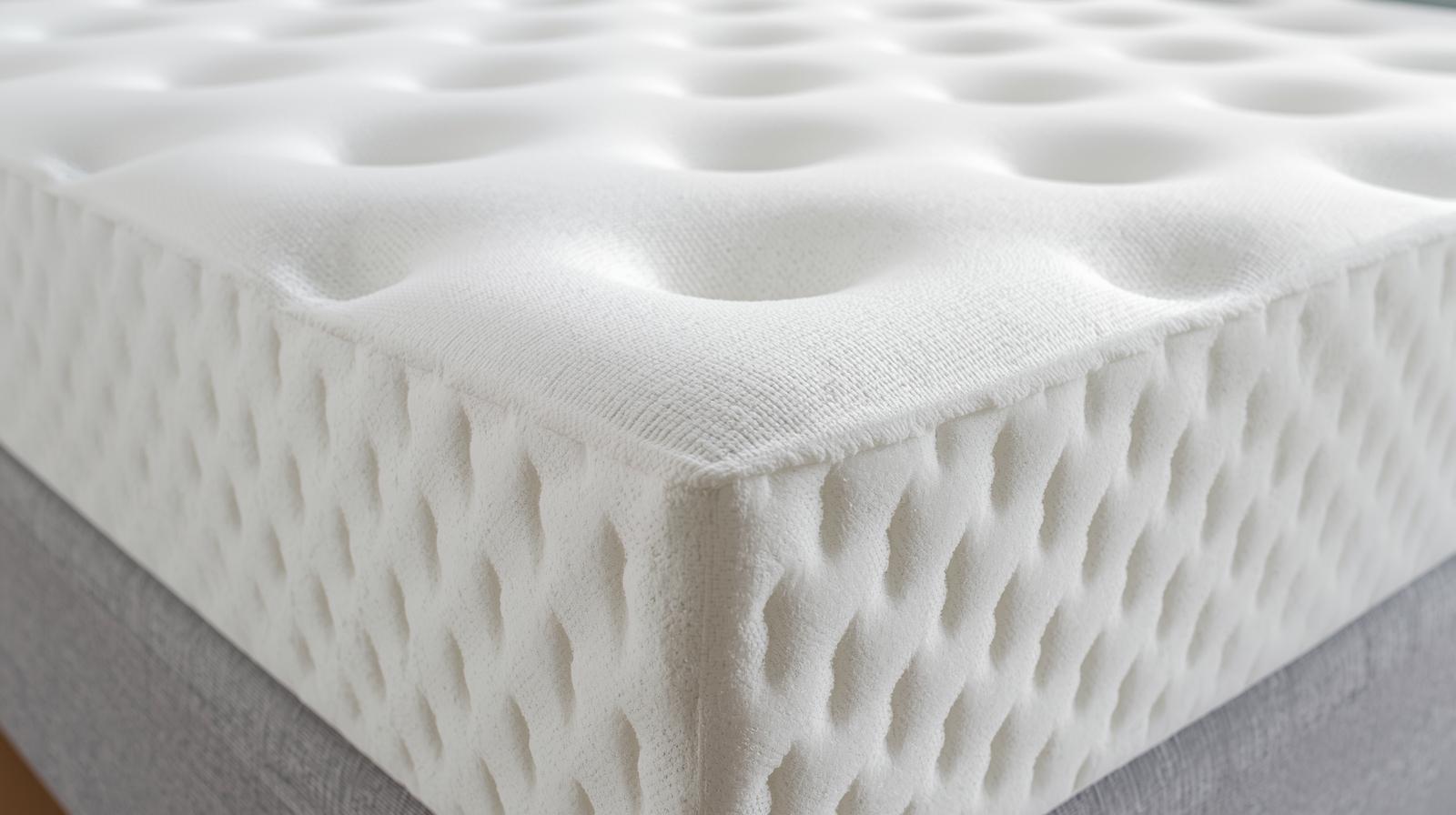
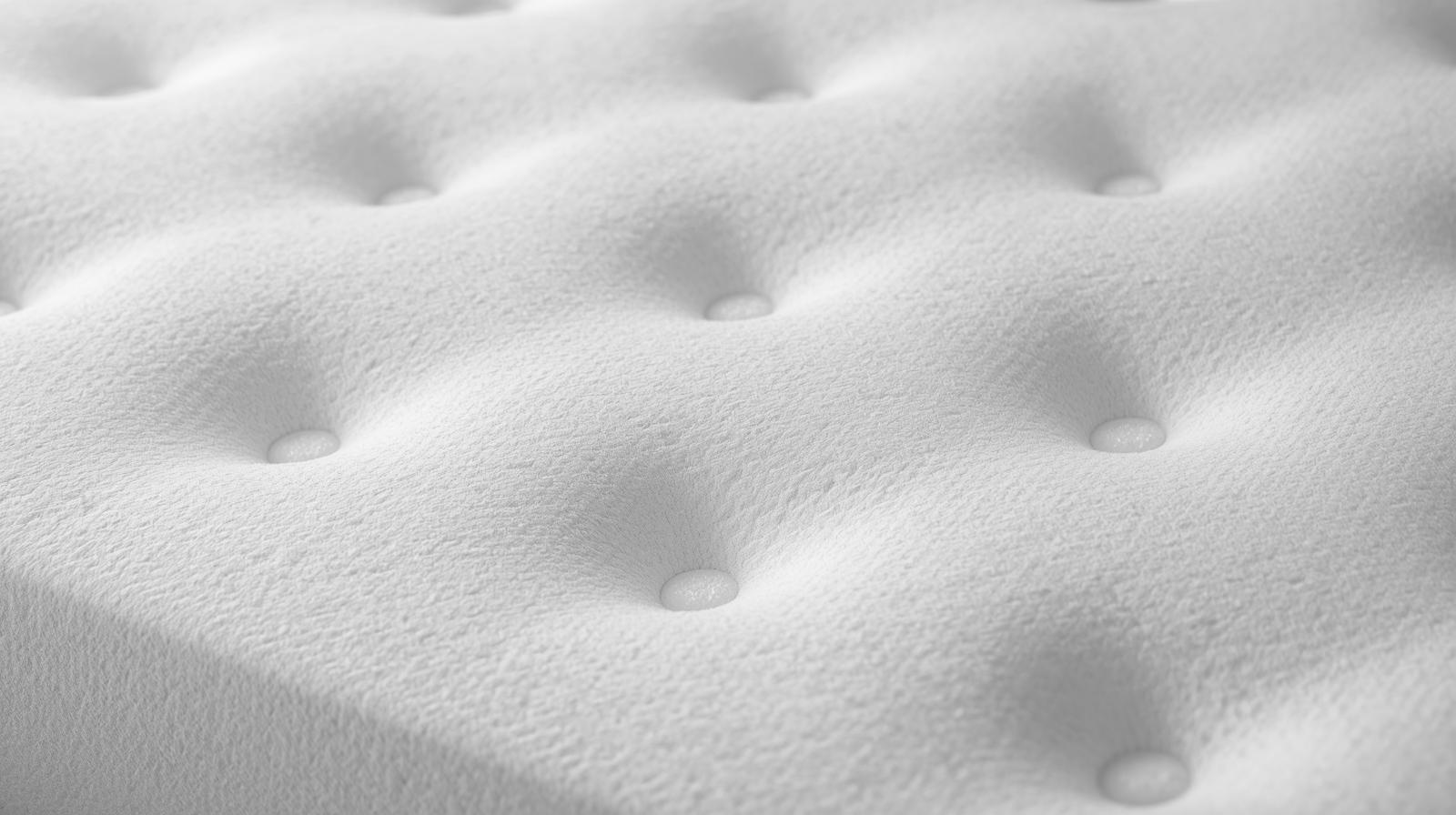
An orthopedic foam mattress is more than a firm foam slab; it’s a multi-layered pressure management system.
| Layer | Material | Function | Recommended Density |
|---|---|---|---|
| Top Comfort Layer | Soft HR foam (35–40 kg/m³) | Cushion initial pressure and distribute body weight | 35–40 kg/m³ |
| Support Core | Orthopedic foam / Rebonded PU | Prevents sagging, maintains spinal alignment | 50–60 kg/m³ |
| Transition Layer | Viscoelastic memory foam (optional) | Contours to body curves | 45–50 kg/m³ |
| Base Layer | Rigid PU foam or latex sheet | Stabilizes the entire structure | > 55 kg/m³ |
Compression Load Deflection (CLD): 40–60 N for medium-firm models.
Elastic Recovery: ≥ 98% after 10,000 cycles.
Breathability Index: > 120 mm/s (air permeability standard per EN ISO 9237).
Core Advantages Over Conventional Mattresses
-
Medical Accuracy: Engineered to distribute pressure evenly and prevent localized strain on lumbar and cervical zones.
-
Durable Structure: High-density PU resists collapse even under extended use in hospitals or hotels.
-
Noise-Free Performance: No metal springs — perfect for rehabilitation environments.
-
Allergen Control: Closed-cell structure repels dust mites and mold.
-
Eco-Packaging: Compatible with vacuum and roll-packed logistics for export.
Technical Specifications for Exporters
| Parameter | Specification | Standard |
|---|---|---|
| Foam Type | PU / Memory / Rebonded | ISO 845 |
| Density | 35–65 kg/m³ | DIN EN ISO 845 |
| Thickness Range | 10 – 25 cm | Custom |
| Firmness Index | ILD 40–60 | ASTM D3574 |
| Compression Recovery | ≥ 98% | ASTM D3574-H |
| Certification | CertiPUR-US, OEKO-TEX | EU / US compliant |
For B2B projects, suppliers often offer foam cutting tolerances within ±1 mm, ensuring consistent firmness for mass-production mattresses.
Comparative Analysis — Orthopedic vs Conventional Foam
| Feature | Conventional Foam | Orthopedic Foam |
|---|---|---|
| Foam Density | 25–30 kg/m³ | 50–60 kg/m³ |
| Support Zones | Uniform | Multi-zone (back, shoulder, hip) |
| Spinal Alignment | Limited | Clinically tested neutral support |
| Durability | 4–6 years | 10 + years |
| Compression Compatibility | Partial | Full (vacuum safe) |
Result: Orthopedic foam mattresses extend product lifespan by up to 70% and reduce customer complaints by over 40% in institutional use (according to market data from the European Sleep Council).
Practical Applications and Target Markets
| Industry / Scenario | Benefits |
|---|---|
| Hospitals & Rehabilitation Centers | Supports patients with limited mobility and reduces bed sore risk |
| Senior Living Facilities | Enhanced circulation and joint pressure relief |
| Hotel & Resort Projects | Premium guest comfort and longer service life |
| Corporate Housing / Rental Apartments | Durable for high occupancy turnover |
| Home Use / Health Brands | Marketed as spine-care or posture-correct solutions |
How to Select the Right Orthopedic Foam Mattress
| User Type | Foam Density | Firmness Level | Recommended Thickness | Special Notes |
|---|---|---|---|---|
| Hospital / Rehab | 55–60 kg/m³ | Firm (ILD > 55) | 10–15 cm | Use medical-grade waterproof cover |
| Elderly Care | 45–55 kg/m³ | Medium-Firm | 15–20 cm | Breathable and anti-allergic |
| Hotel / Commercial | 50–60 kg/m³ | Medium-Firm | 20–25 cm | Choose fire-retardant foam (FR standard) |
| Residential | 40–50 kg/m³ | Medium | 20 cm | Optional memory top layer |
Buyer Recommendation:
When sourcing for OEM projects, specify foam density and ILD together. For example, “PU foam 55 kg/m³ with ILD 60 ± 5 N” ensures repeatable production quality and consistent firmness across batches.
Environmental and Logistics Efficiency
Orthopedic foam mattresses can be vacuum-compressed and rolled for export, reducing freight volume by up to 65%. Using PE + EVOH barrier film keeps foam sterile and prevents moisture during long-distance shipping.
A typical 40-ft container holds 600–700 units depending on thickness — making it a preferred product for bulk distributors and project supply contracts.
FAQ
Q1. Can orthopedic foam be combined with springs or latex?
Yes, many manufacturers produce orthopedic hybrid mattresses combining foam and pocket springs for additional bounce.
Q2. Is a firm mattress always better for the spine?
Not necessarily — support must be distributed. Medium-firm orthopedic foam is recommended for balanced pressure distribution.
Q3. Can it be roll packed without damaging foam?
Yes, if the density is ≥ 45 kg/m³ and compression pressure is controlled (< 120 kPa).
Q4. Does it meet international safety standards?
Yes. High-quality orthopedic foam models should comply with CertiPUR-US, OEKO-TEX, and EN 597-1/2 (FR standard).
The Takeaway for Exporters and OEM Partners
The orthopedic foam mattress bridges clinical science and commercial manufacturing.
Its combination of high-density support, custom firmness, and compression compatibility makes it an ideal product for both domestic retail and global bulk distribution.
By understanding foam properties, density ratios, and target applications, buyers can optimize their product mix for profitability and end-user satisfaction.
To explore OEM and bulk export options, visit Homezeno Homepage or Contact Us for a custom consultation.