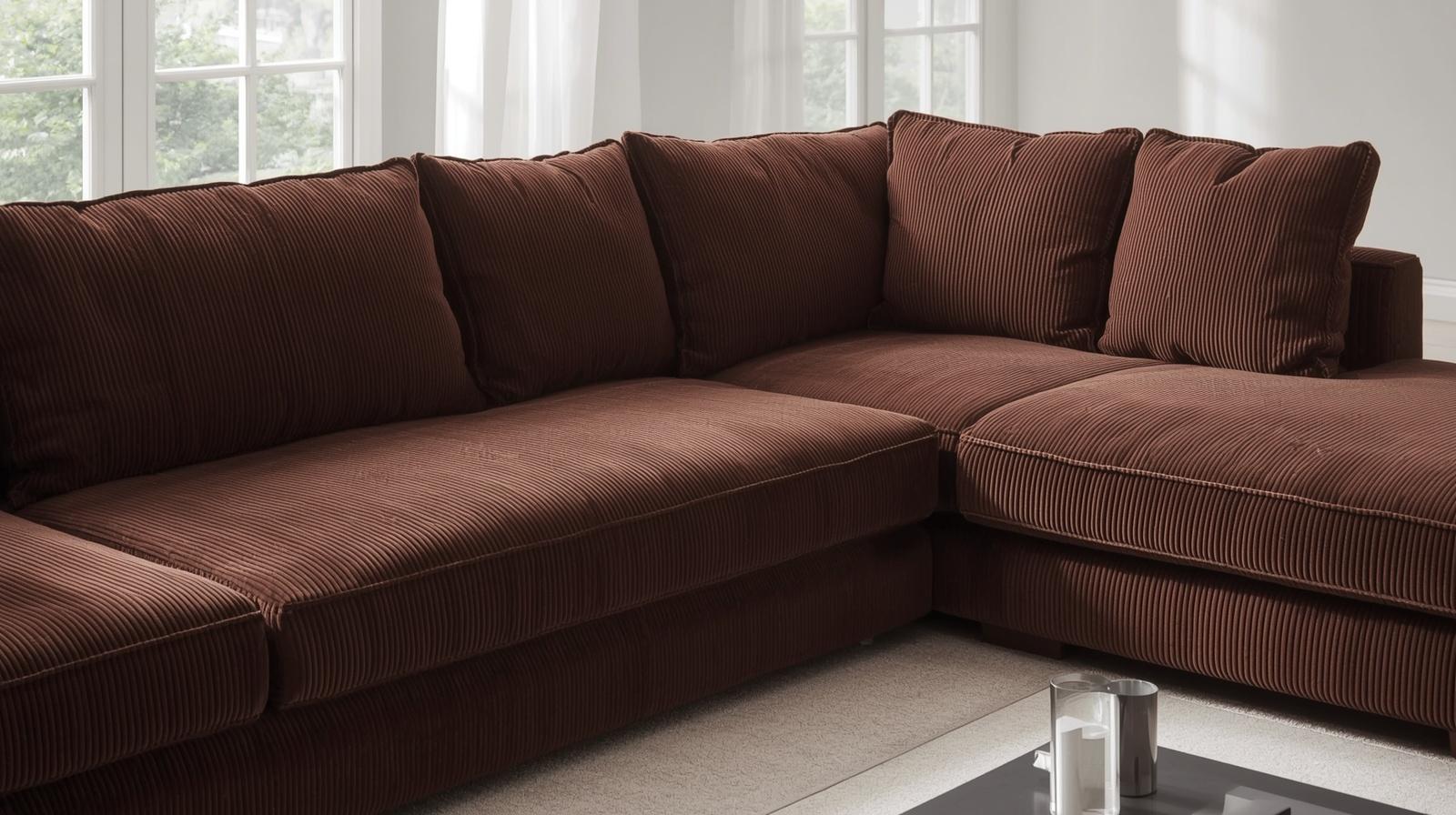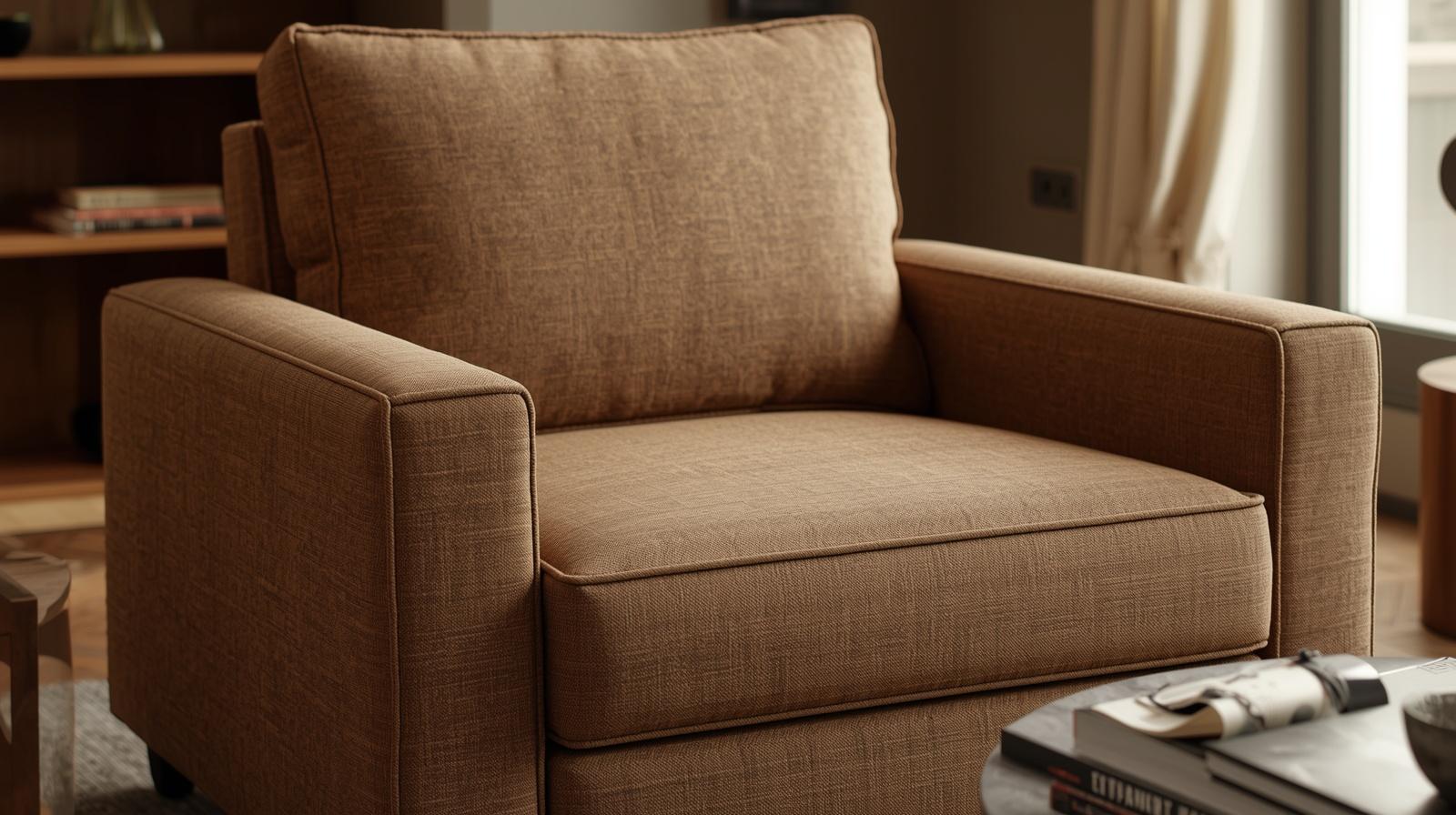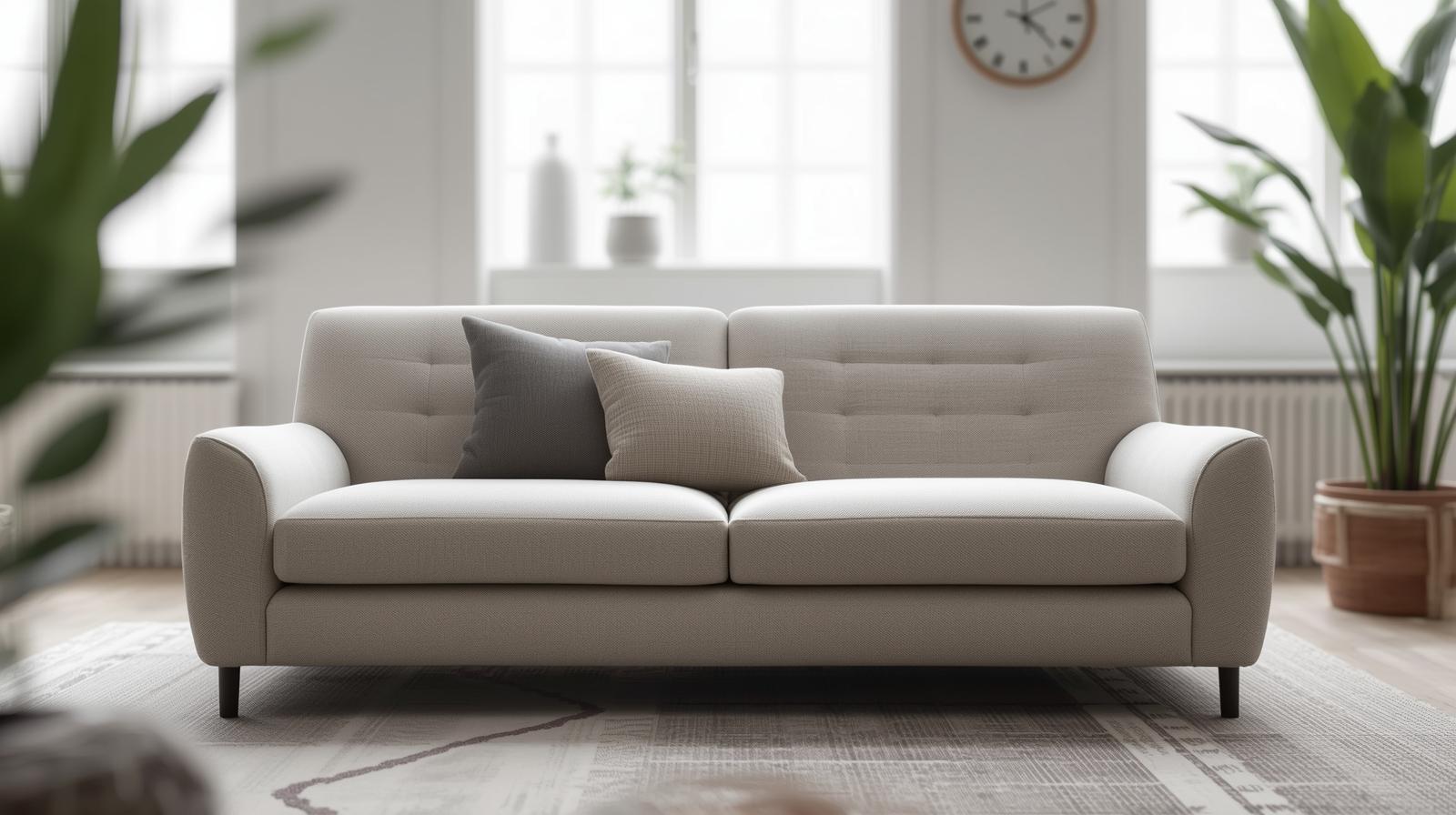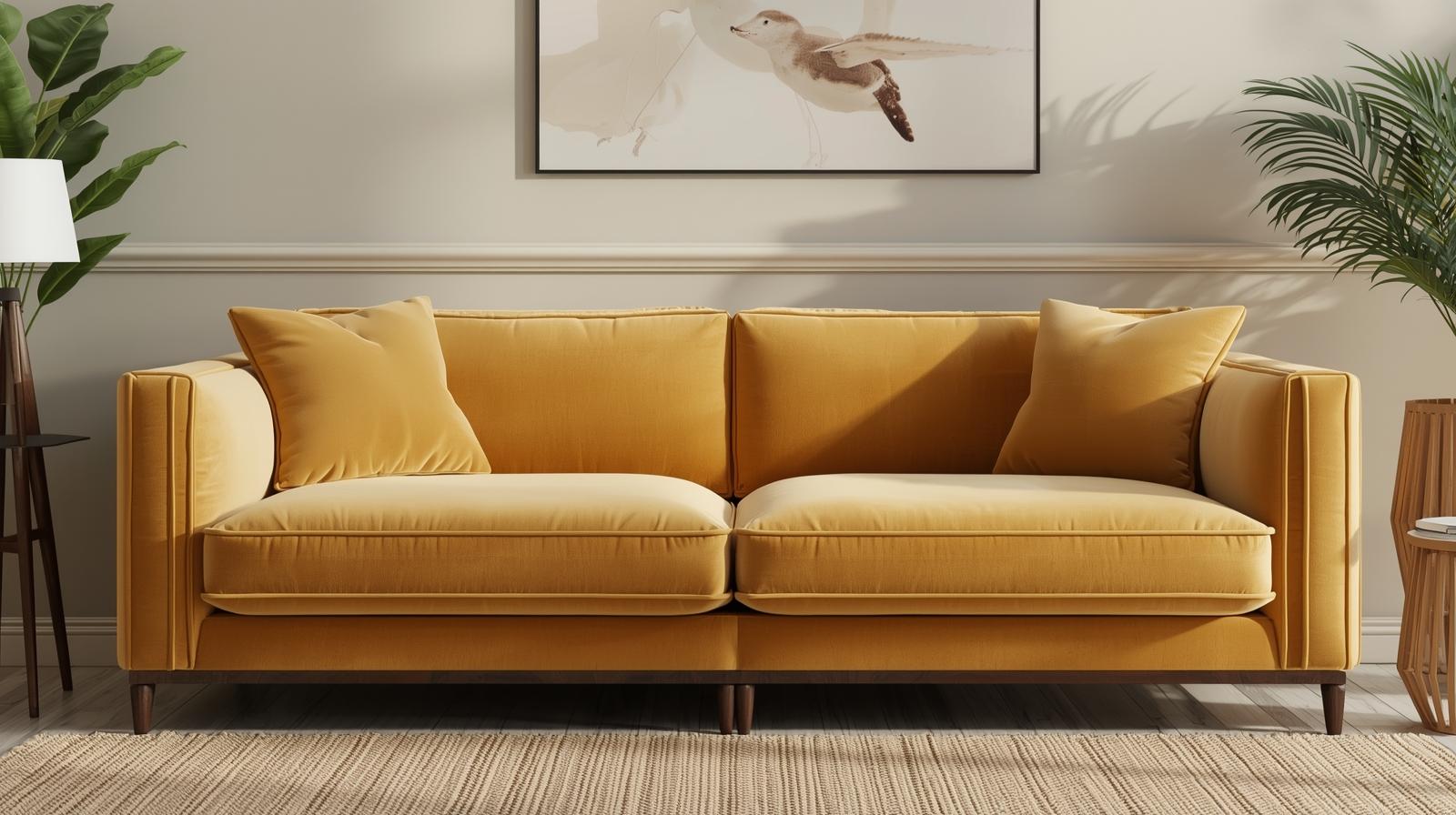
Sponge Sofa Export Is Defined by Structure, Not Appearance
In overseas markets, sponge sofas are rarely chosen for style alone.
They are chosen because their internal structure travels well.
Unlike heavy frame or spring sofas, sponge sofas rely mainly on foam for support and shape. This reduces overall weight and allows controlled deformation during packaging. For exporters, that structural flexibility is what makes sponge sofas suitable for compression, container loading, and long-distance transport.
This is why buyers sourcing in volume do not simply look for sofa factories. They look for a sponge sofa exporter who understands how foam behaves under pressure, not just how it looks in a showroom.
Why Sponge Sofas Work Better for Compressed Export
Compression is not suitable for every sofa type.
Sponge sofas work because of three inherent characteristics:
-
High foam ratio with limited rigid components
-
Even pressure distribution during compression
-
Predictable shape recovery when quality foam is used
These traits allow sponge sofas to be packed more compactly without introducing permanent deformation—if compression limits are respected.
At scale, this directly affects how many sofas can be shipped, stored, and delivered efficiently.
How Compression Changes the Economics of Sponge Sofa Shipping
For bulk export, shipping cost is driven less by unit price and more by volume per unit.
This is where compression-ready sponge sofas create measurable advantages.
Below is a realistic comparison exporters and importers use when planning shipments:
| Item | Standard Packed Sponge Sofa | Compressed Sponge Sofa |
|---|---|---|
| Single-unit volume | High | Reduced by ~30–50% |
| Units per 40HQ container | Baseline | +30% to +50% |
| Ocean freight cost per unit | High | Significantly lower |
| Overseas warehouse space | Large footprint | Compact storage |
| Last-mile delivery difficulty | Higher | Easier handling |
| Overall logistics controllability | Medium | High |
This table explains why sponge sofas are often prioritized in cross-border e-commerce and overseas warehouse programs. Compression does not just save space—it reshapes landed cost structure.
Foam Selection Determines Whether Compression Is Safe
Not all sponge sofas perform the same under compression.
The difference comes from foam quality and specification.
Foam that is too soft may recover slowly. Foam that is too dense may resist compression and cause uneven stress. Experienced sponge sofa exporters balance density, resilience, and compression duration to ensure recovery remains consistent after unpacking.
In most export scenarios, compression duration is carefully controlled rather than maximized. Over-compressing to chase container numbers often leads to post-delivery complaints that outweigh freight savings.
Where Sponge Sofa Export Projects Commonly Fail
Failures in sponge sofa export are usually subtle, not dramatic:
-
Cushions recover unevenly after long storage
-
Seat height feels inconsistent across batches
-
Fabric tension changes after unpacking
These problems rarely come from manufacturing defects. They come from mismatched foam selection, compression ratio, or storage time.
A professional sponge sofa exporter plans packaging and shipping timelines together, instead of treating compression as a last-step operation.
What Buyers Should Confirm Before Ordering in Volume
Before placing bulk orders, buyers should confirm that the exporter can clearly explain:
-
How much each sofa model can be compressed safely
-
Expected recovery time after unpacking
-
Packaging dimensions before and after compression
-
Container loading assumptions by model
These details determine whether sponge sofa export remains stable as order volumes grow.
Sponge Sofa Export Is a Logistics-Driven Product Decision
A sponge sofa exporter does more than supply seating products.
They deliver export-ready sofa systems designed around shipping reality.
When chosen correctly, the right exporter enables:
-
Lower freight cost through compression-ready designs
-
Stable sofa performance after long-distance delivery
-
Scalable bulk supply for e-commerce and wholesale channels
-
Predictable logistics planning across markets
You can review sponge sofa models suitable for export on our Products page:
https://www.homezeno.com/en/products
Or discuss sponge sofa export and packaging options directly via Contact Us:
https://www.homezeno.com/contact-us